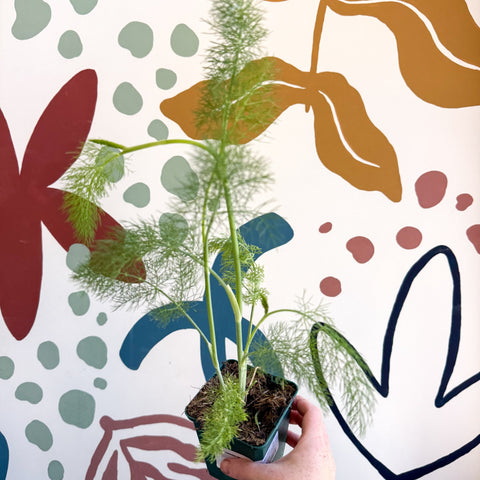
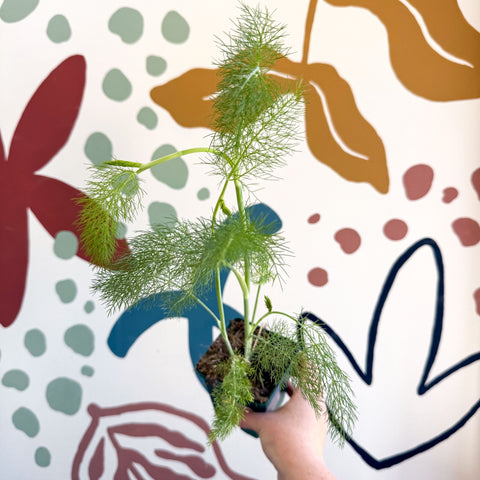
A statuesque and aromatic herb, Foeniculum vulgare forms tall, feathery clumps of finely divided foliage topped with flat umbels of yellow flowers in summer. Commonly known as fennel, it’s as attractive in ornamental borders as it is useful in the kitchen – especially the bronze-leaved form. The leaves, seeds, and bulb (in the case of Florence fennel) are all edible and full of aniseed flavour.
Foeniculum vulgare, commonly known as Fennel, is a perennial herb grown for its ornamental, culinary, and pollinator-friendly qualities. It adds vertical interest and movement to sunny borders and herb gardens.
|
Perennial
|
Upright, Aromatic, Often treated as annual in veg plots
|
Flowers: July – September
Foliage: March – October
|
Scientific Name
Foeniculum vulgare (from Latin foeniculum, meaning ‘little hay’, referencing its feathery foliage)
Common Names
Common Fennel, Sweet Fennel
Origin
Mediterranean Europe and Western Asia
Pruning Tips
Cut back flowered stems in autumn. Remove flower heads before seeds set if you want to prevent self-seeding. Deadhead to prolong flowering if grown ornamentally.
Wildlife Value
Excellent for pollinators – flowers attract bees, hoverflies, and butterflies. Seeds may feed birds in autumn
Positioning
Full sun, in an open, sheltered spot. Ideal for herb gardens, wildlife borders, and Mediterranean-style planting
Water
Water regularly during dry spells in the first year. Once established, fennel is drought tolerant
Soil
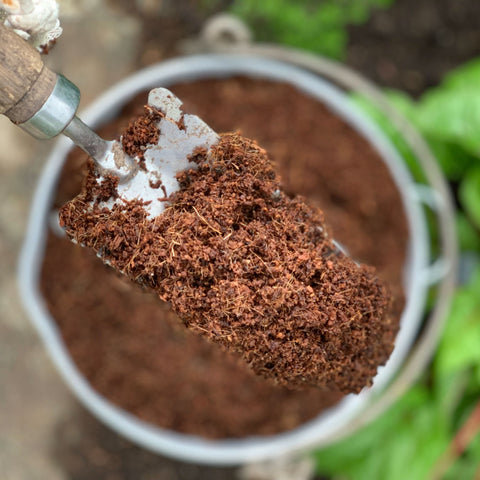
Free-draining, moderately fertile soil. Avoid overly rich soil if growing for ornamental foliage rather than bulbs
Food
Not usually needed, but a light mulch of compost in spring can improve vigour
Pet-safe
Generally considered non-toxic to pets
Sprouts Top Tips
Fennel can self-seed freely – remove seed heads before they ripen if you want to limit spread. The plant can grow quite tall, so position it at the back of a sunny border for a soft, elegant screen.