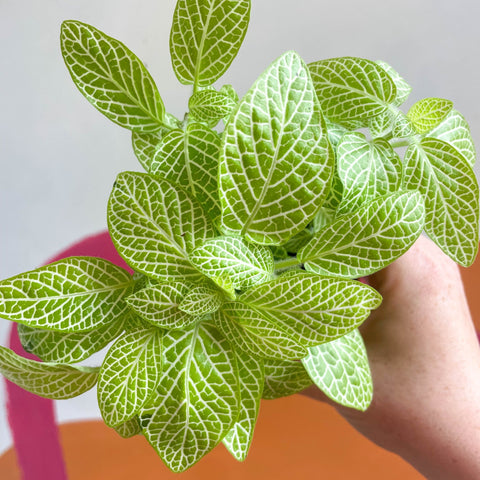


Fittonia albivenis 'Mini Lemon'
Buy with confidence
Everything we do is designed to get your order to you safely and happily.
🌿 Packed with care in Bristol, UK
⭐ Loved by thousands of happy Sprouts customers
📦 Royal Mail Tracked delivery
💚 Independent & Real Living Wage Employer
If your plant arrives damaged or unhappy, we’ll put it right. Find out more here
Every plant is carefully packed by our small, plant-loving Bristol team using protective, mostly plastic-free packaging.
Occasionally, you may find reused bubble wrap – this has been donated to us, and we encourage you to reuse it too.
Orders are usually packed and dispatched within 2–4 working days. We may occasionally delay dispatch during periods of extreme weather to protect your plants. We always prioritise plant health over speed of delivery.
Delivery is £5 for any number of items, or free on orders over £60. We deliver across the UK only.
We also offer local, bike-powered delivery in Bristol for £5 via Pedal Collective, a gentler option for plants and the planet.
We believe in paying people fairly, that’s why we’ve been a Real Living Wage Employer from the very beginning. We’re an independent Bristol business, packing every order ourselves.
Supporting us means supporting fair work.
Questions before ordering? Just drop us a message – we’re always happy to help.
Head to our contact page and fill in the contact form and one of the team will be in touch shortly
Nerve Plants are some of the most eye-catching plants we stock, with their bright variegations drawing comparisons to spiderwebs, riverbeds, nets and nerves. They like consistent levels of water and humidity and can thrive as terrarium plants as well as in their own pots. Each pot contains a small group of Fittonia plants which grow together to form a bushy mound of bright foliage with its nervous system of red, pink or white tracing.
Scientific Name
Fittonia (Fittons' plant)
Once classified as Gymnostachyum argyroneurum/ verschaffeltii, these plants were reclassified under the genus Fittonia as the species argyroneurum for those with white veins, and verschaffeltii for those with red or pink veins. They were then reclassified as the same species, Fittonia albivenis, after research published in a botanical journal in 1979, with two cultivar groups: Argyroneurum, with white veins, and Verschaffeltii, with pink or red veins.
Fitton in the name of this plant is in honour of Elizabeth and Sarah Mary Fitton, authors of the 19th century book 'Conservations on Botany'.
Common Name
White Nerve Plant, Mosaic Plant, Silver Fittonia, Silver Nerve, Silver Threads, Silver-net Plant, Snakeskin Plant, Nerve Plant
Origin
Native to tropical rainforests in South America, especially Columbia and Peru.
Descriptio
Light
Bright, indirect light works best; if you notice yellowing lower leaves on your Fittonia, it could probably do with a little more light.
Water
Water when the soil starts to dry out to keep it evenly moist. Be careful not to leave your Nerve Plant with soggy roots in a darker spot or in winter as this can cause issues. If they get a little too dry, nerve plants will wilt dramatically; if you keep an eye out for this and water as soon as you notice it, they should perk right back up!
Humidity
Fittonia will thrive with higher humidity, so consider misting or adding a pebble tray to help them stay hydrated. Misting occasionally will also help stop the leaves from getting dusty!
Soil
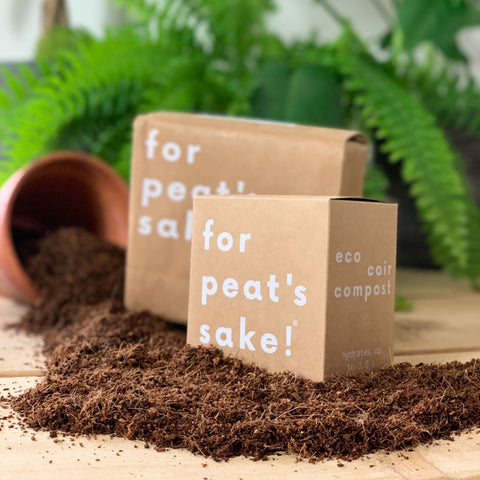
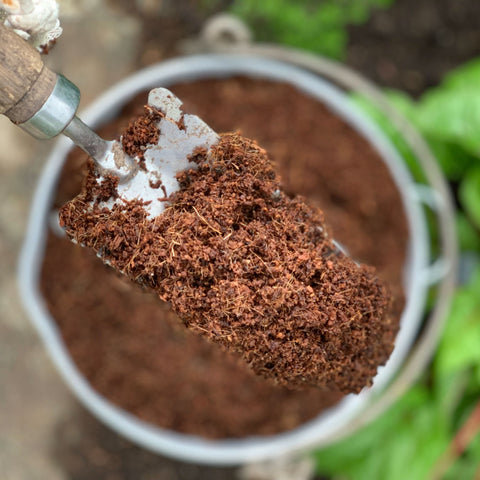
Use a well-draining but moisture-retentive soil, perhaps with added perlite or coir. A mix designed for Calatheas or Marantas works well here. Repot every few years as your nerve plants grow; they will grow faster in wide, shallow pots as they're used to creeping along the ground.
Food
Feed every three waters in the growing season, reduce to every four in autumn and winter. To protect the roots, water before fertilising!
Temperature
Ideal temperature is 18-24°C; make sure it does not get colder than 15°C in winter.
Pet-safe
Yes, but too much nibbling won't be good for pets, small humans or the plant!
Sprouts Top Tips
Keep an eye on your Fittonia's leaves for signs of over- or under-watering. Either way they will wilt; you can tell which issue you are having by checking the soil. If it is wet to the touch or when you squeeze the top slightly, it has been overwatered and needs to dry out; if the pot feels light and the soil bone dry it will need a good water.
Add a Pot & Care Essentials
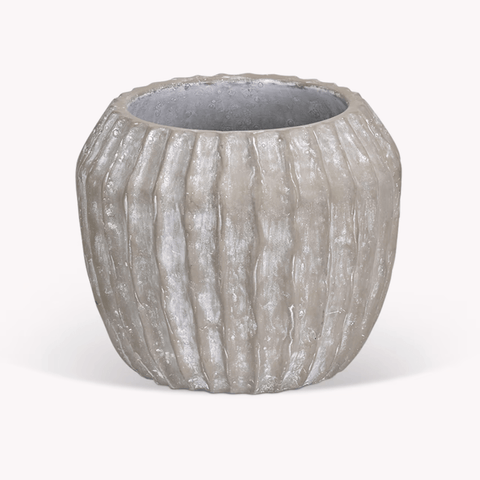
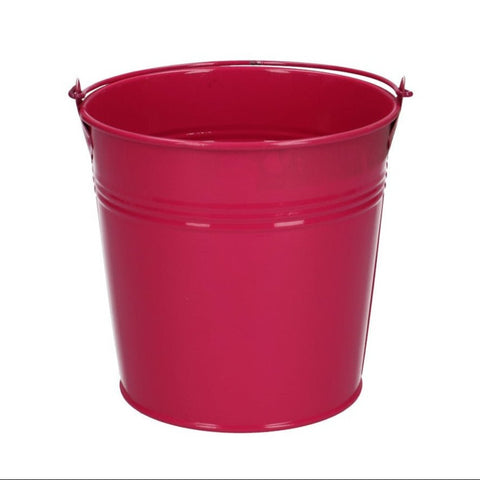
Most customers add a pot or soil when purchasing this plant.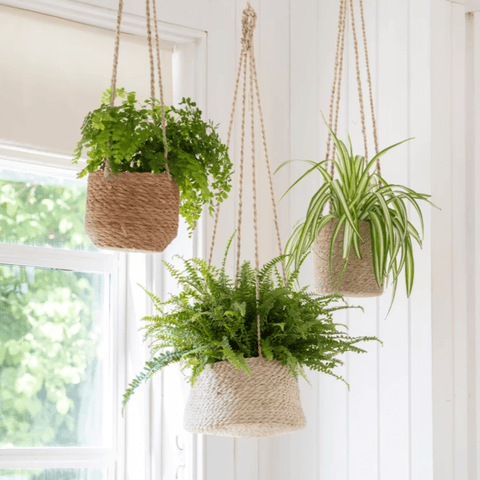








A fresh healthy young plant with lime green leaves that altho small,er than expected, look well against other deeper green foliages - and it is growing well ! THANK YOU .
Plant arrived in great condition and properly packaged, I have already taken a cutting and added to a terrarium
Check out The Sprouts Blog
Sprouts insights to house plants, gardening, our favourite brands and plant hire case studies.