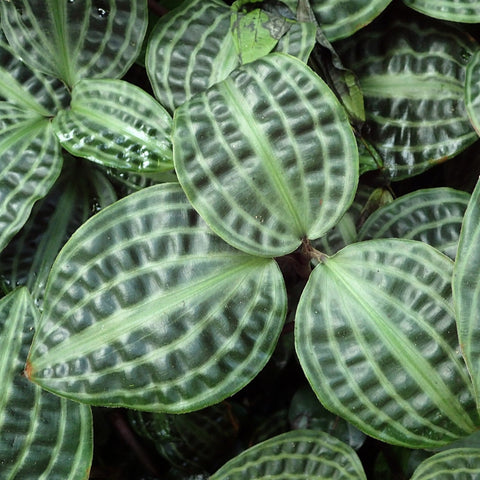
A striking understory tropical with richly textured foliage, Geogenanthus poeppigii is admired for its glossy, deep green leaves marked with silvery veins and a crinkled, seersucker-like surface. It stays low and compact, making it perfect for terrariums, low-light corners, or as a sculptural feature in a plant shelf jungle. Its unusual texture and slow-growing nature make it a true collector’s piece.
Scientific Name
Geogenanthus poeppigii (named in honour of Eduard Poeppig, a 19th-century German botanist and explorer)
Described in the 1800s, this plant belongs to the Commelinaceae family (same as Tradescantia). It’s one of just a few species in the Geogenanthus genus and is sometimes mistakenly referred to as a Calathea or Maranta due to its lush foliage.
Common Name(s)
Seersucker Plant, Poeppig’s Geogenanthus
Origin
Native to the Amazon basin of Peru and surrounding parts of tropical South America, where it grows along the forest floor
Light
Prefers low to medium, indirect light. Harsh light can scorch the leaves and fade their colour. Ideal for north-facing windows, terrariums, or gently lit rooms.
Water
Water when the top 2–3cm of soil is dry. Keep lightly moist but never soggy – this plant is sensitive to both drought and overwatering. Use room-temperature, filtered or rainwater if possible.
Humidity
High humidity is essential – aim for 60% or higher. Best suited to terrariums, enclosed spaces, or placement near a humidifier. Avoid misting directly onto the leaves.
Soil
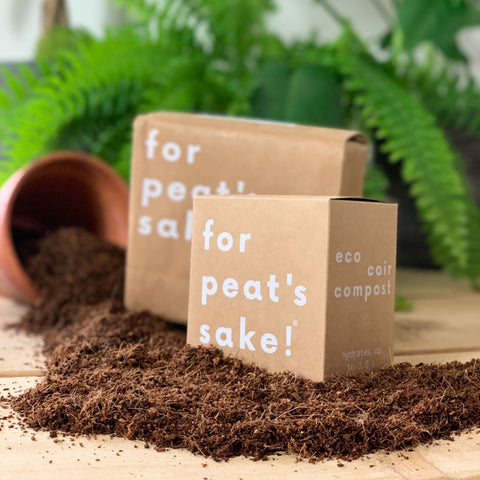
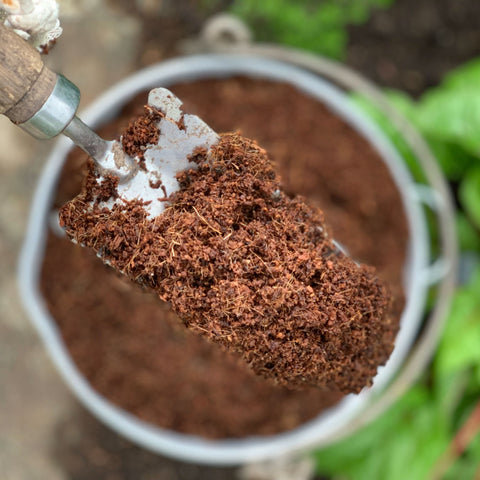
Use a loose, well-draining mix with moisture retention – a blend of peat-free compost, perlite, and a little orchid bark or coco coir works well. Repot every 1–2 years to refresh the mix.
Food
Feed every 4–6 weeks during spring and summer with a half-strength balanced liquid fertiliser. Avoid overfeeding, which can damage the roots.
Temp
Ideal range is 18–26°C. Keep away from cold draughts and never expose to temperatures below 15°C.
Pet-safe
Non-toxic – safe for pets and children.
Sprouts Top Tips
Geogenanthus dislikes change – keep its environment stable, and avoid moving it often. Browning leaf edges usually point to low humidity or cold draughts.
Extras
Leaves may curl or fade in very dry air. If it looks unhappy, move to a more humid spot and reduce any direct light exposure.
Did You Know?
In its native rainforest habitat, Geogenanthus poeppigii forms a living carpet beneath the canopy – its dark, glossy leaves adapted to thrive in deep shade and high humidity.