The Golden Sedum gets its name thanks to the golden colouring of this plant's leaves, resulting from a combination of the usual sedum green and an orange-red tint which blends into this from the leaf tips inwards. Like many succulents, this one is happiest with some sun and well-draining soil.
Scientific Name
Sedum adolphii (Adolphus' sitting plant)
Synonyms: Sedum nussbaumerianum
First published in 1912, this name has remained the accepted scientific name
Common Name
Golden Sedum, Golden Glow, Coppertone Stonecrop, Lime Gold
Origin
Native to the subtropical Gulf area of Mexico
Light
Bright light is essential here - giving your Sedum plenty of sun will keep it golden - literally! The red-orange colouring is more intense when the plant gets enough light.
Water
Let the soil totally dry between waters; when it's thirsty, you'll be able to see the leaves starting to wrinkle.
Humidity
Low humidity is perfect here; make sure it's not anywhere particularly soggy.
Soil
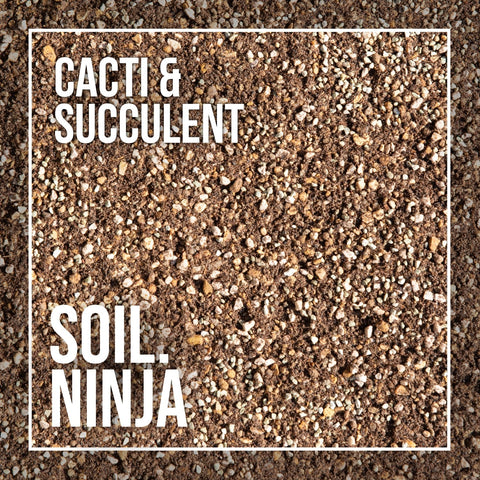
A well-draining soil is needed. Look out for specific cactus / succulent soils, which usually have plenty of sand and grit, for best results. Repot every few years as the plant grows.
Food
Feed every couple of months in the spring-summer growing season; reduce or stop entirely in autumn and winter when growth slows.
Temperature
Prefers warm temperatures between 15-27°C. This species needs protection from frost; temperatures below 5°C can damage it.
Pet-safe
Yes, this sedum is non-toxic. Too much won't do pets or plant much good, though, so it's worth keeping an eye out.
Sprouts Top Tips
Direct morning sun is best for vibrant colour. If you're losing the golden hue, or it's stretching out and looking leggy, try moving it somewhere brighter.