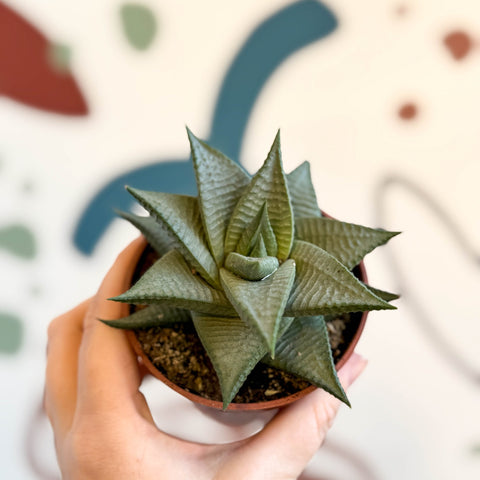
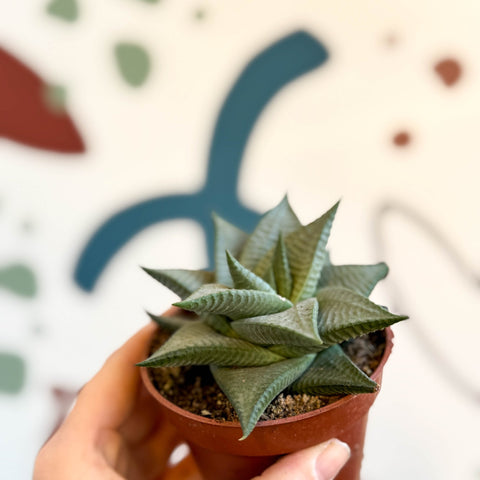
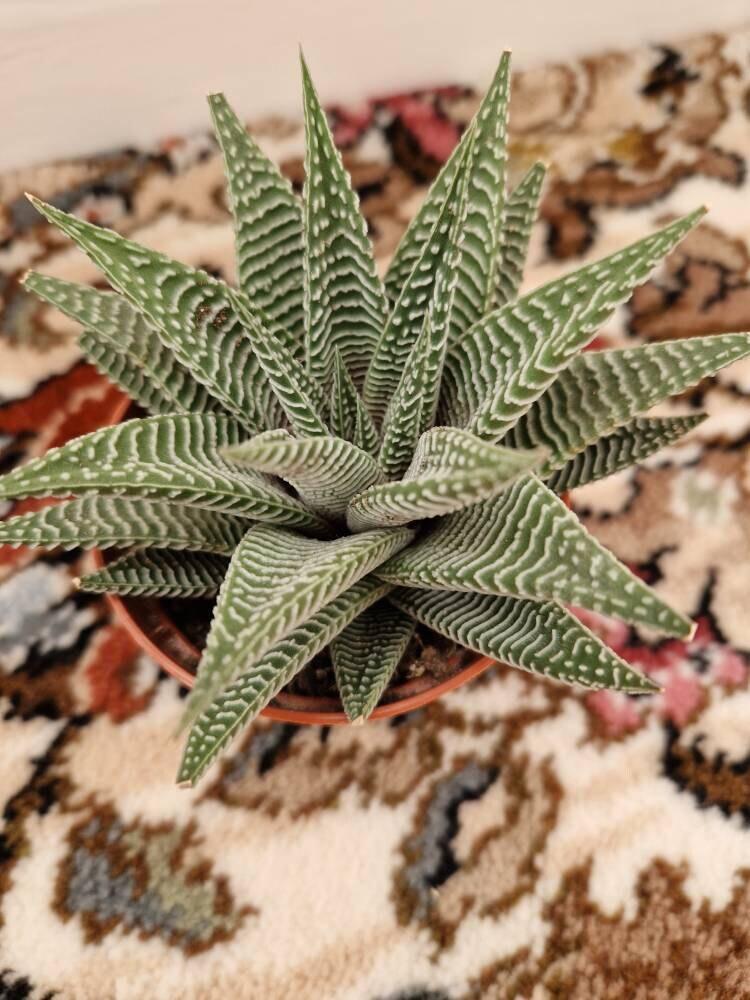
This succulent's textured leaves look silver-green in the light, providing striking colour and interest in any houseplant display. Its striking silhouette boasts thick succulent leaves radiating from a central stem, each adorned with textured ridges which make it look a little like an old-fashioned washboard in miniature. Give this plant plenty of light and not too much water and you'll be enjoying its foliage for years to come.
Scientific Name
Haworthiopsis limifolia 'Roux' (Plant that looks like Haworth's genus with file-like leaves, cultivar: red)
Synonyms: Haworthia keithii, Haworthia limifolia
Previously known as Haworthia limifolia, this species was reclassified into the Haworthiopsis genus following genetic analysis published in 2013
Common Name(s)
Roux Fairy Washboard, File-Leaved Haworthia, Ridged Haworthia
Origin
Native to Southeastern Africa, where it grows in arid areas in KwaZulu-Natal and the Northern Provinces of South Africa, Mozambique, and Eswatini.
Light
Good at adapting to a variety of light levels, your Haworthiopsis will thrive best in bright light, with a splash of morning or evening sun. Too much direct sun can scorch the leaves, while too little can make it grow less twisty and less happily. In a north- or east-facing window, or near to a west-facing window, will work well here.
Water
Allow the soil to dry out completely between waterings. Water sparingly, especially during winter when the plant won't be growing. Too much water can cause common issues such as root rot in this plant, so having a pot with good drainage is important.
Humidity
Thrives in low humidity. Avoid damper areas and ensure good airflow around the plant to prevent fungal issues.
Soil
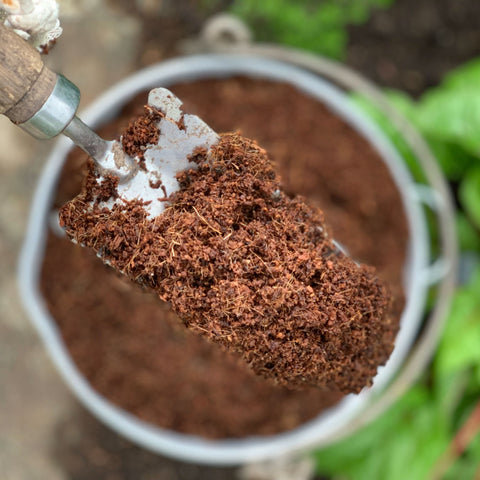
Use a well-draining cactus or succulent soil - a mix with added sand, grit or perlite will work well. A pot with drainage holes is essential to prevent waterlogging. Repot every 2-3 years as the plant grows.
Food
Feed every two months in the spring-summer growing season, reduce to every three in autumn and winter when growth will slow.
Temperature
Will love temperatures between 15-25°C. Avoid exposure to temperatures below 10°C for long periods, such as overnight in winter.
Pet-safe
Yes, this plant is non-toxic to pets. Watch out for its spiky tips and be aware that too much munching will hurt the plant.
Sprouts Top Tips
Rotate the plant occasionally to ensure even growth and maintain its symmetrical, twisting rosette. The foliage can rot if it gets water stuck between the leaves, so bottom-watering to avoid this issue is a good idea.
Did You Know?
The textured, ridged leaves are not only decorative but also help the plant conserve water by reducing evaporation.