Hibiscus adonicus ‘Salmon’ is a sun-loving, exotic variety prized for its large, ruffled flowers in glowing shades of soft salmon pink to peach. With glossy green foliage and a compact, upright habit, it’s perfect for bright indoor spots or as a patio plant in summer. Its blooms are short-lived but plentiful, bringing a touch of the tropics to your home when given plenty of warmth and light.
Scientific Name
Hibiscus adonicus ‘Salmon’ (from Adonis, a figure in Greek mythology associated with beauty – a fitting name for such showy blooms)
Hibiscus adonicus is a cultivated hybrid within the Hibiscus rosa-sinensis complex or a trade name used for ornamental hybrids. It’s not widely recognised in formal botanical classification but is used in the nursery trade to describe hibiscus types with large, showy flowers and compact growth.
Common Name(s)
Tropical Hibiscus, Salmon Hibiscus, Hibiscus ‘Salmon Adonicus’
Origin
Cultivar derived from species native to tropical Asia and the Pacific Islands
Light
Needs bright light, ideally several hours of direct sun daily. A south-facing windowsill or heated conservatory is ideal. Too little light will reduce flowering.
Water
Water when the top 2–3cm of soil feels dry. Keep evenly moist in the growing season but not waterlogged. Reduce watering slightly in winter.
Humidity
Prefers moderate to high humidity. Mist occasionally or place on a pebble tray to boost ambient moisture, especially during winter or in heated rooms.
Soil
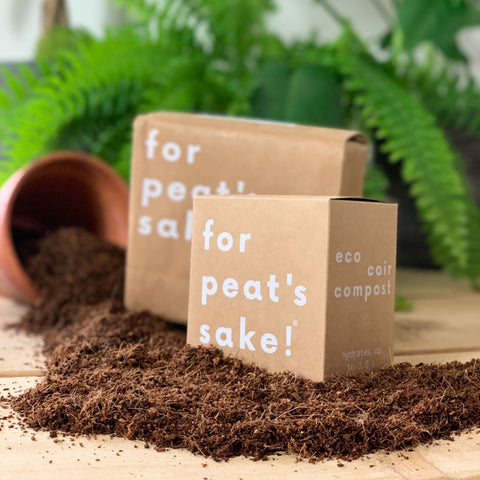
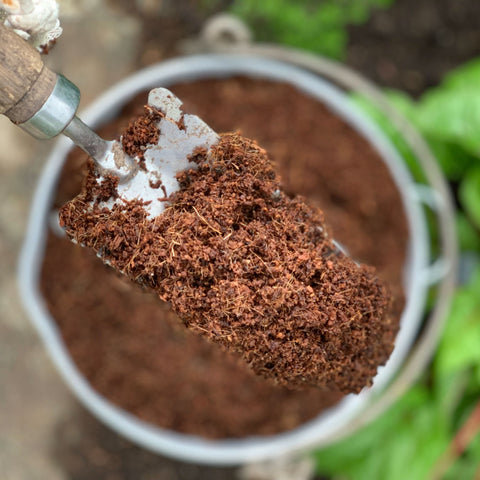
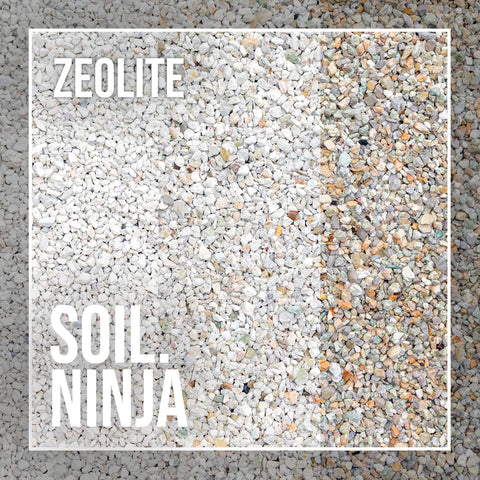
Use a rich, free-draining compost – a blend of peat-free compost, perlite, and fine bark is ideal. Repot every 1–2 years in spring to refresh soil and encourage flowering.
Food
Feed every 2–3 weeks from spring to early autumn with a high-potassium fertiliser (like tomato feed) to support blooming. Pause feeding in winter.
Temp
Ideal range is 18–28°C. Protect from temperatures below 12–13°C. Not frost-hardy – bring indoors before autumn chills set in.
Pet-safe
Generally non-toxic – safe for pets and children, though ingestion may still cause mild digestive upset.
Sprouts Top Tips
To encourage repeat blooms, deadhead faded flowers and ensure the plant gets plenty of light and warmth. Prune lightly in spring to shape and promote bushy growth.
Extras
If grown outdoors in summer, acclimate it slowly to direct sun to avoid leaf scorch. Indoors, supplement with a grow light if natural light is limited.
Did You Know?
Each bloom of Hibiscus ‘Salmon’ typically lasts just a day or two – but with the right care, new flowers can appear daily throughout the warmer months.