Huernia confusa - Starfish Flower
Buy with confidence
Everything we do is designed to get your order to you safely and happily.
🌿 Packed with care in Bristol, UK
⭐ Loved by thousands of happy Sprouts customers
📦 Royal Mail Tracked delivery
💚 Independent & Real Living Wage Employer
If your plant arrives damaged or unhappy, we’ll put it right. Find out more here
Every plant is carefully packed by our small, plant-loving Bristol team using protective, mostly plastic-free packaging.
Occasionally, you may find reused bubble wrap – this has been donated to us, and we encourage you to reuse it too.
Orders are usually packed and dispatched within 2–4 working days. We may occasionally delay dispatch during periods of extreme weather to protect your plants. We always prioritise plant health over speed of delivery.
Delivery is £5 for any number of items, or free on orders over £60. We deliver across the UK only.
We also offer local, bike-powered delivery in Bristol for £5 via Pedal Collective, a gentler option for plants and the planet.
We believe in paying people fairly, that’s why we’ve been a Real Living Wage Employer from the very beginning. We’re an independent Bristol business, packing every order ourselves.
Supporting us means supporting fair work.
Questions before ordering? Just drop us a message – we’re always happy to help.
Head to our contact page and fill in the contact form and one of the team will be in touch shortly
This plant's compact foliage grows in miniature towers of mid-green, spiny foliage which sprout off each other to the side until the plant trails over the side of its pot. As well as its unusual foliage, you might be granted with its star (or starfish) shaped flowers, which bloom in deep maroon or purple and tend to appear in summer. To show this plant off to best advantage, pop it somewhere it can happily trail, and ensure it gets plenty of light and not too much water.
Scientific Name
Huernia zebrina subsp. insigniflora (Heurnius' plant with zebra stripes, subspecies with glorious flowers)
Synonyms: Huernia confusa, Huernia insigniflora, Ceropegia zebrina subsp. insigniflora
Initially identified as Huernia insigniflora in 1928 then Huernia confusa in 1932, this plant was reclassified as a subspecies of Huernia zebrina in a 2005 paper. In one 2017 paper it is referred to as Ceropegia zebrina subsp. insigniflora, but currently Huernia zebrina subsp. insigniflora is still the accepted name.
Common Name(s)
Confused Huernia, Starfish Flower, Lifesaver Cactus, Owl Eyes
Origin
Native to rocky, arid parts of South Africa's Northern Provinces.
Light
Your Huernia will enjoy a bright spot, and grows best with just a little direct sun. An east- or west-facing window will work well here.
Water
Allow the soil to dry out completely between waters. Water sparingly, as this succulent is highly drought-tolerant. Too much water and soggy soil can lead to root rot. Reduce watering during winter when the plant won't be actively growing.
Humidity
Thrives in low humidity and dry conditions. Make sure not to keep it anywhere particularly damp.
Soil
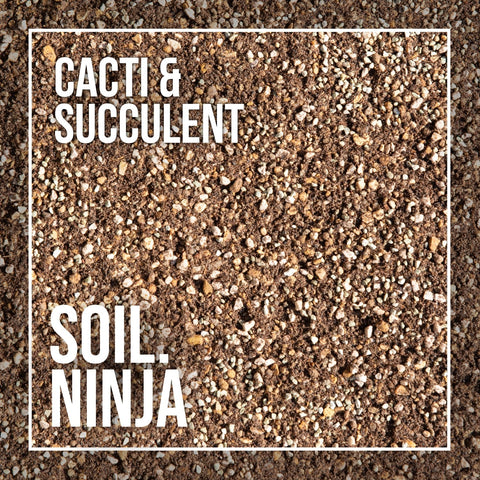
Use a well-draining cactus or succulent soil; a mix with added sand or grit will work well. Make sure your pot has drainage holes. Repot every few years as the plant grows; you'll know it's ready to repot when the roots are crowding the pot.
Food
Feed once every two months during the growing season (spring and summer) with a diluted cactus or succulent fertiliser. Feeding is unnecessary in autumn and winter.
Temperature
Ideal temperatures are between 18-26°C. Protect from frost and avoid exposure to temperatures below 10°C.
Pet-safe
Yes, this plant is non-toxic to pets, making it a safe choice for households with animals.
Sprouts Top Tips
A big risk for this plant is giving it too much water; make sure the soil has totally dried out before you water again and this will help keep it happy!
The stems should droop a little, so don't worry if they are not upright. They will look best on a shelf or in a hanging pot where their dangly stems can be shown off.
Extras
The flowers of Huernia zebrina emit a faint scent similar to carrion, which helps attract pollinating flies. The scent is mild indoors, though, so don't be put off! The flowers are more than interesting enough to offset their odd smell.
Did You Know?
The genus Huernia was named by Robert Brown in honour of Dutch missionary Justin Heurnius, the first known collector of Cape of Good Hope plants. It was Brown who originated the misspelling of his name, and it stuck.
Add a Pot & Care Essentials
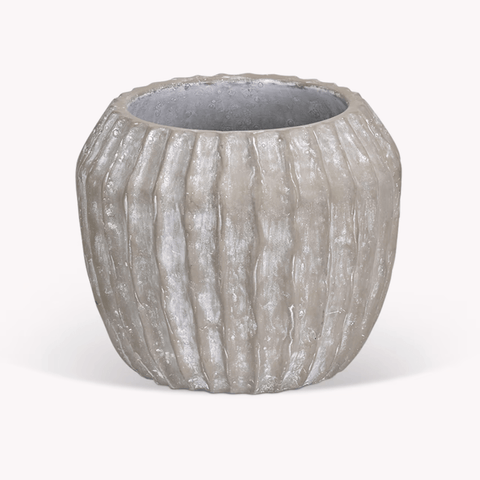
Most customers add a pot or soil when purchasing this plant.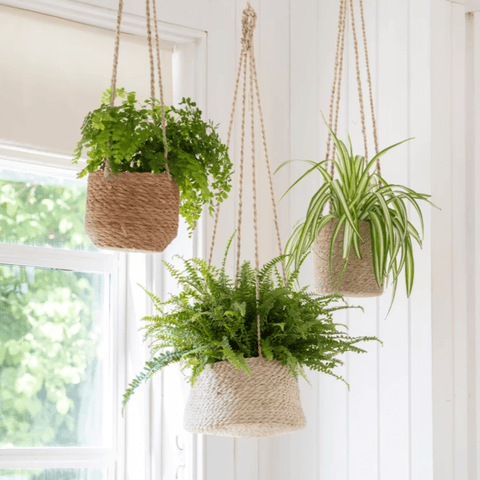







Check out The Sprouts Blog
Sprouts insights to house plants, gardening, our favourite brands and plant hire case studies.