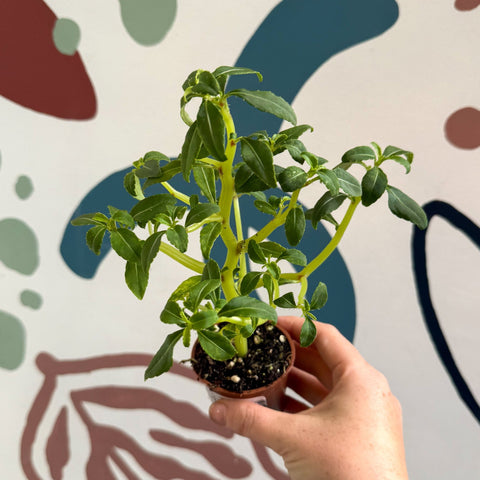
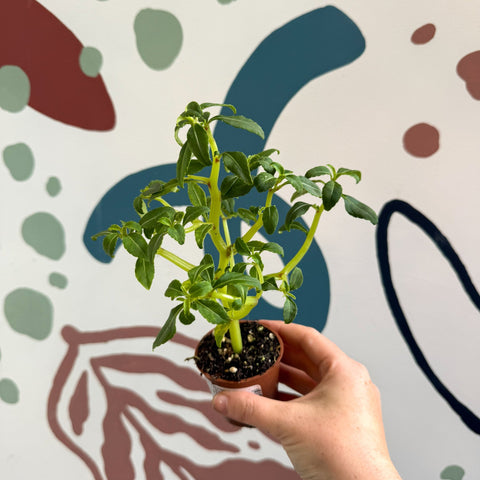
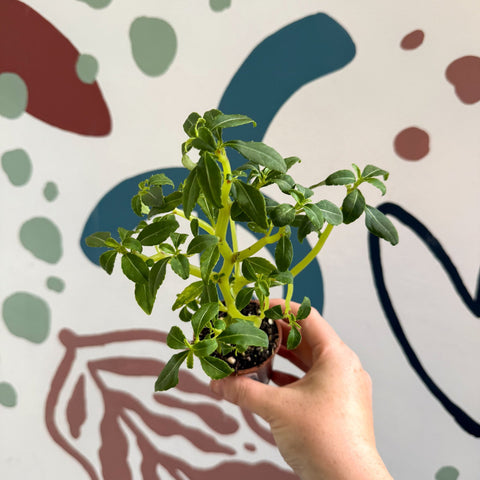
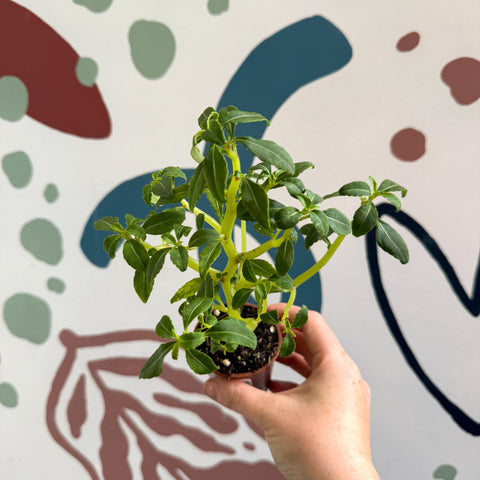
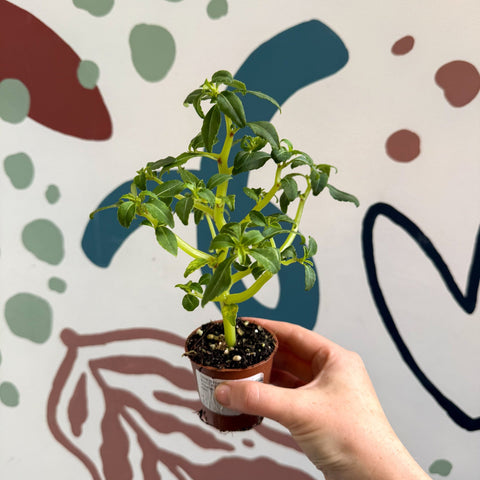
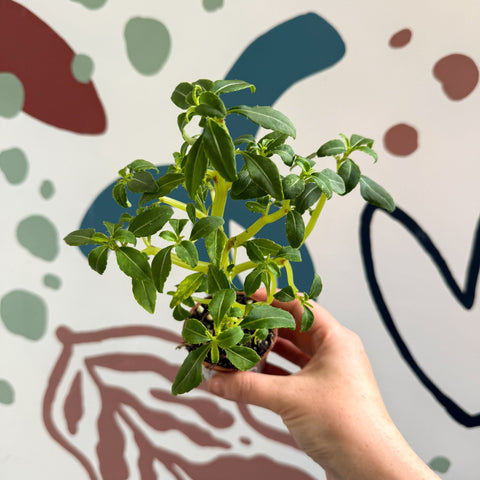
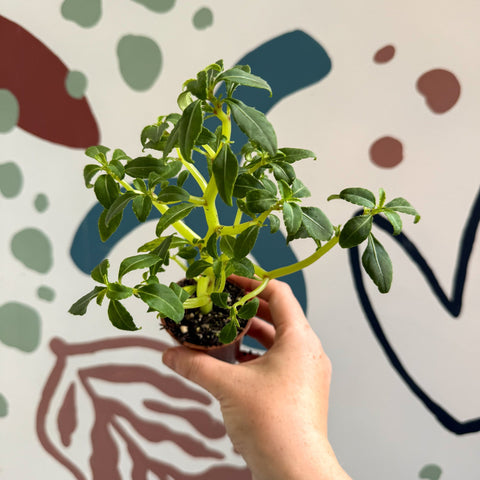
A rare and exotic houseplant, Impatiens keilii is prized for its parrot-like flowers and lush, serrated foliage. The vivid coral, orange, or salmon-pink blooms resemble tiny birds in flight, giving rise to its nickname, the Congo Cockatoo. With the right care, it flowers for much of the year and adds an unusual tropical flair to bright indoor spaces.
Scientific Name
Impatiens keilii (from Latin impatiens, meaning “impatient” – a reference to the plant’s explosive seed pods)
Impatiens keilii is closely related to the African species of Impatiens and is sometimes confused with Impatiens niamniamensis due to their similarly shaped flowers. Though not as widely documented in scientific literature, this cultivar or regional variant is popular in ornamental collections for its striking flowers.
Common Name(s)
Congo Cockatoo, Parrot Plant, Exotic Impatiens
Origin
Believed to originate from tropical central Africa, including regions of the Congo Basin
Light
Prefers bright, indirect light. Avoid direct sun, which can scorch leaves and reduce flowering. A spot near an east- or north-facing window is ideal.
Water
Keep soil consistently moist but not soggy. Water when the top layer feels slightly dry. It may wilt if too dry but usually perks up quickly once rehydrated. Reduce watering in winter.
Humidity
Thrives in moderate to high humidity. Mist regularly or place near a pebble tray. Avoid placing near radiators or cold draughts.
Soil
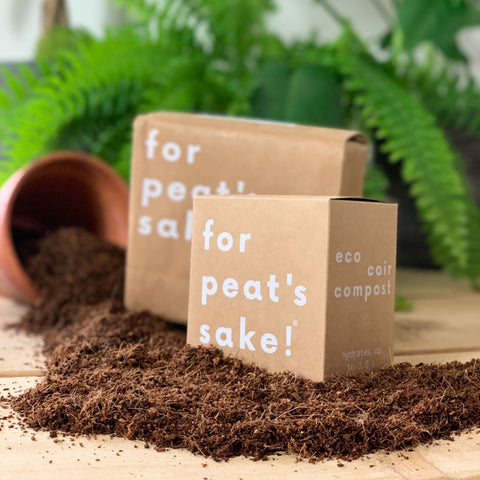
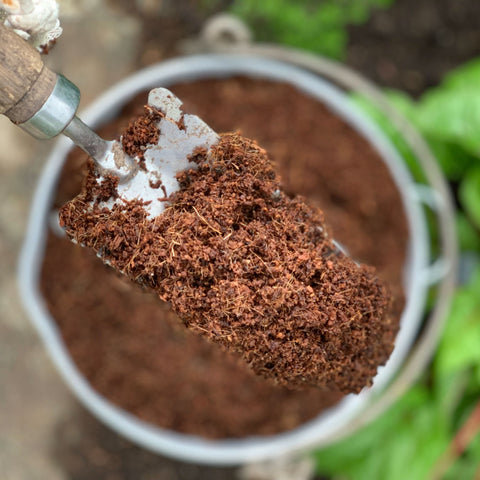
Likes a rich, well-draining compost. A general-purpose houseplant mix with added perlite or coconut coir works well. Repot annually in spring to refresh soil and encourage new growth.
Food
Feed every 2–3 weeks in the growing season (spring to early autumn) with a high-potassium liquid fertiliser to support flowering.
Temp
Prefers 18–24°C. Avoid sudden temperature drops and protect from temperatures below 12°C.
Pet-safe
Mildly toxic if ingested – keep out of reach of pets and children.
Sprouts Top Tips
Pinch back growing tips regularly to encourage a bushier shape and more blooms. Remove faded flowers to encourage continuous flowering.
Extras
In the right conditions, this plant may flower all year round. Its curious, bird-like blooms are especially striking in contrast with its deep green foliage.
Did You Know?
The flowers’ unusual shape and vivid colouring have earned it comparisons to parrots, cockatoos, and even shrimp – making it a real talking point in any plant collection.