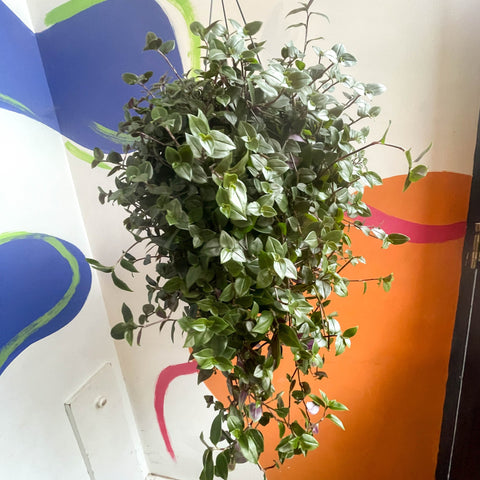
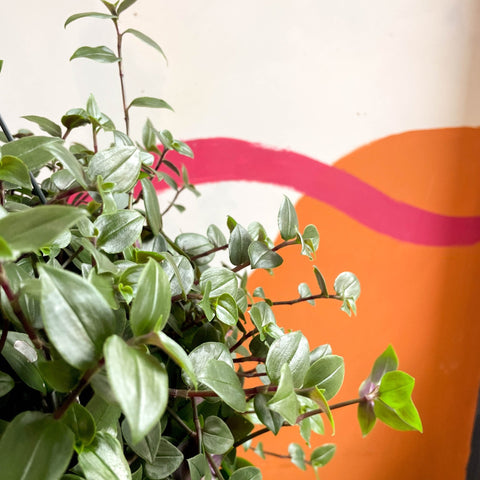
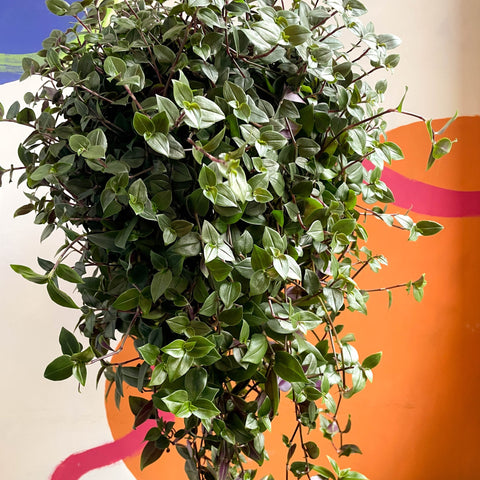
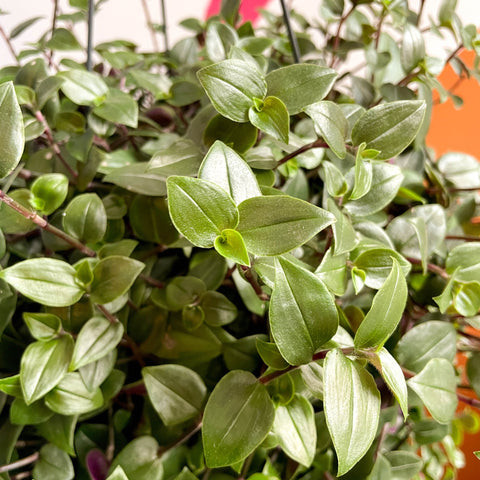
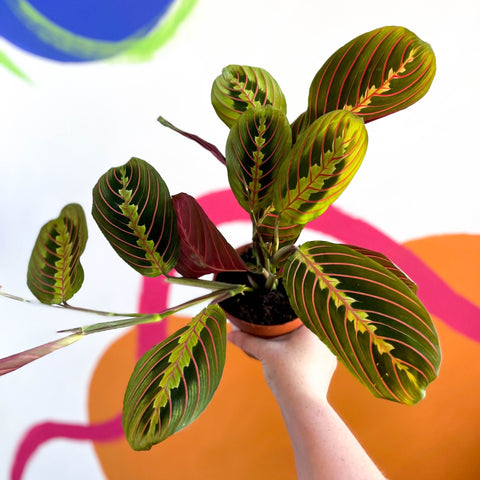
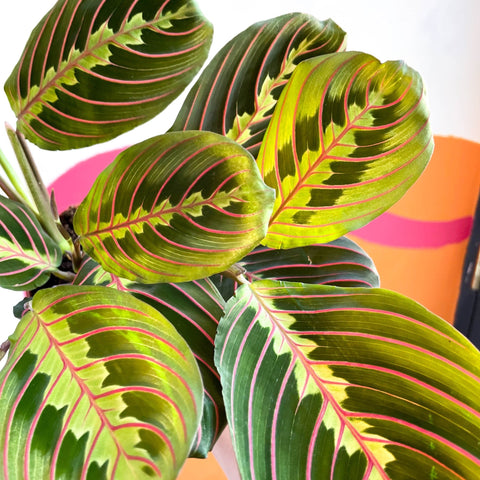
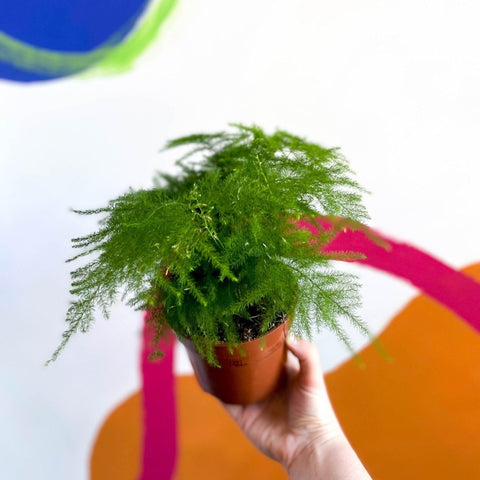
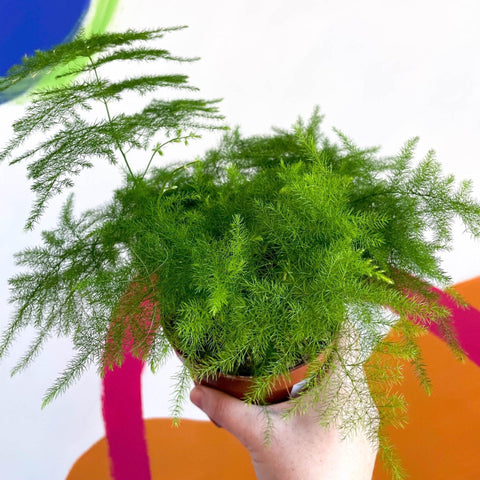
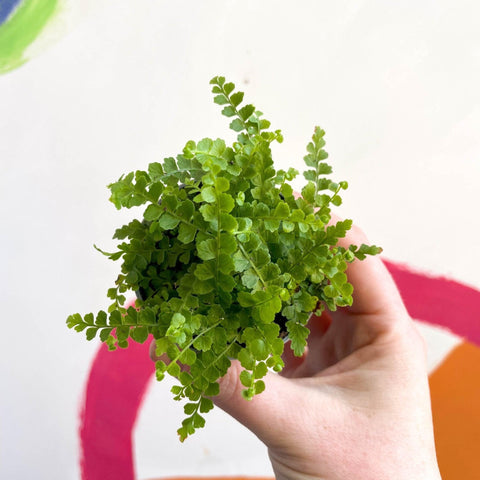
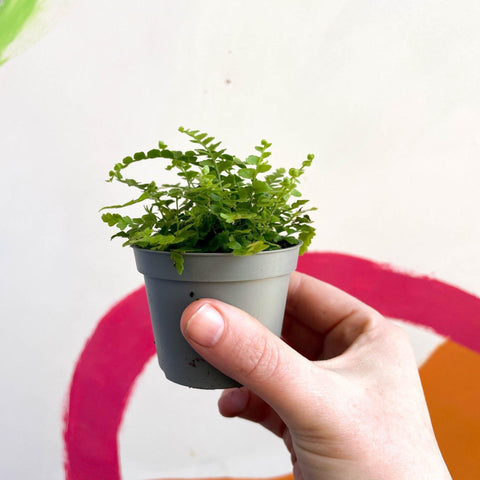
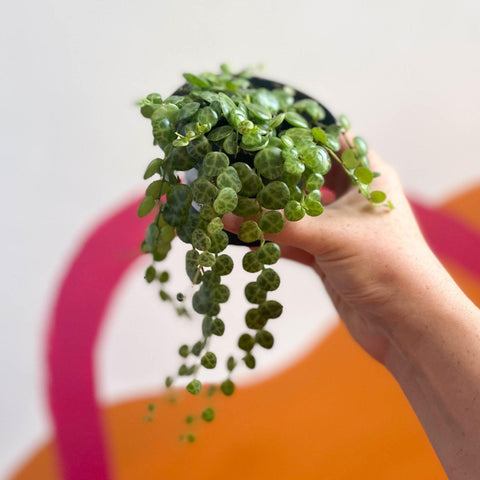
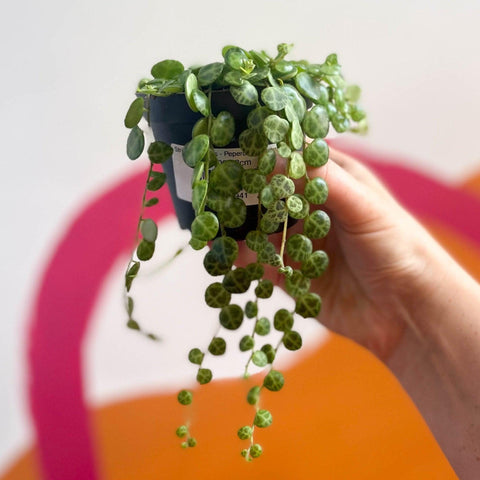
Tradescantia originate from the Central American jungle, where they survive by creeping along the forest floor or climbing over tree trunks; as a houseplant they will grow in long, trailing vines and are perfect as a hanging or dangling plant. This plant's leaves are a gorgeous forest green with bright magenta undersides, and will produce a shower of foliage. Tradescantia tend to be fast-growing even as houseplants, but if they get too long, they're easy to trim and propagate. Perfect for making your plant bushier or propagating new ones to spread around your home or share with others. Recreate the conditions of a forest floor and this plant will repay your care by growing and spreading its gorgeous foliage wherever you let it!
Scientific Name
Tradescantia mundula 'Green Hill' (Tradescant's neat plant, cultivar: green hill)
This was identified in 2018 as T. mundula, but is often sold without its species name.
Common Name
Green Hill Trad, Green Inch Plant, Dayflower, Spiderwort, Wandering Dude, Wandering Jew*
*This is a derogatory name and should not be used.
Origin
This Tradescantia is native to southern Brazil and northeastern Argentina, in wet tropical forest.
Light
Thrives in bright, indirect light; too little light will leave it leggy and damp, and too much bleached and dried-out.
Water
Water once the pot begins to feel light when lifted; these plants like to be moist, and prefer to be bottom-watered (using a dish underneath rather than pouring onto the soil) to prevent their leaves accumulating damp; this is especially key with this variety as its hairy leaves are super adapted to dry environments.
Humidity
Average humidity is fine, but your plant will benefit from a humidity tray in a drier spot or drier weather.
Soil
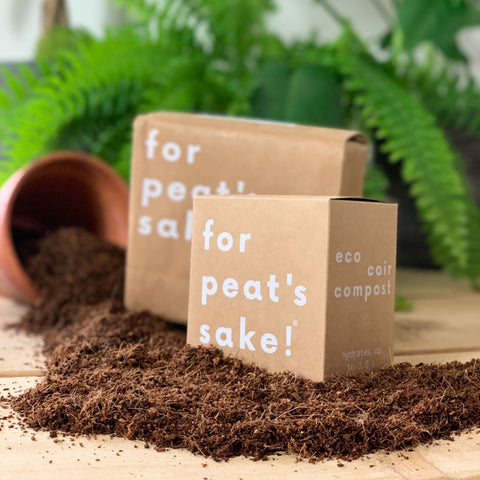
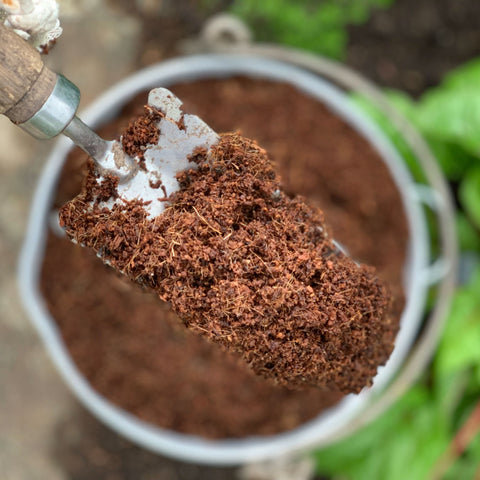
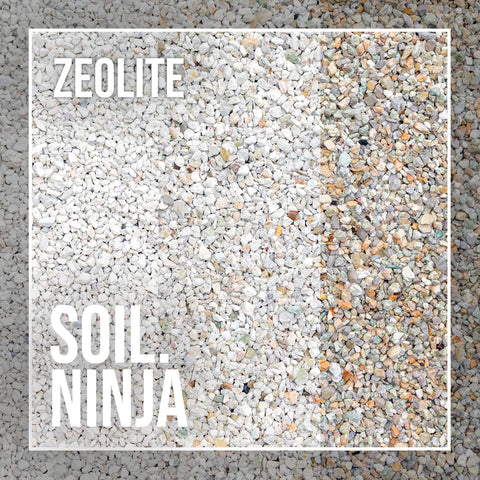
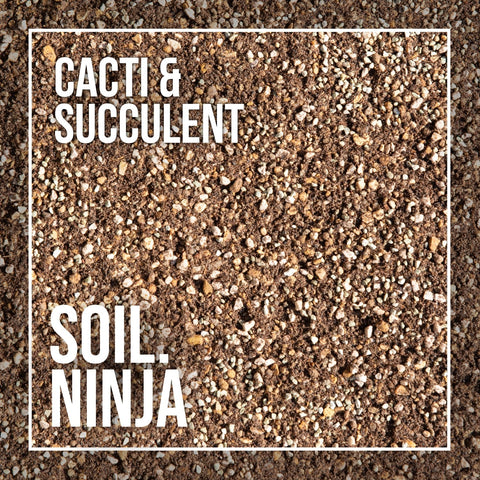
Use a moisture-retentive, well-draining mix to keep this thirsty plant happy but not too soggy. Repot every three years if absolutely necessary; this plant is better potbound than drowning in soil.
Food
Feed every four waters in the growing season, reduce to every six in autumn and winter.
Temperature
Temperature should ideally be between 16-30°C- make sure it doesn't drop below 10°C in winter.
Pet-safe
No; while this plant is not toxic, it can cause some bad reactions when eaten by pets, including itchy skin and upset stomachs.
Sprouts Top Tips
To keep tradescantia bushy rather than leggy, you can pinch off or trim longer stems, which can then themselves be propagated, making more plants to spread around your home or share with others!