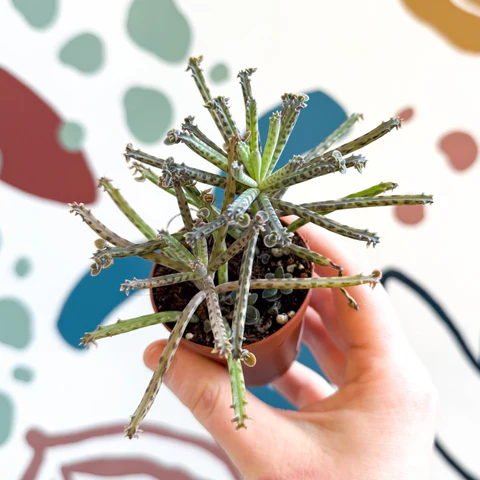
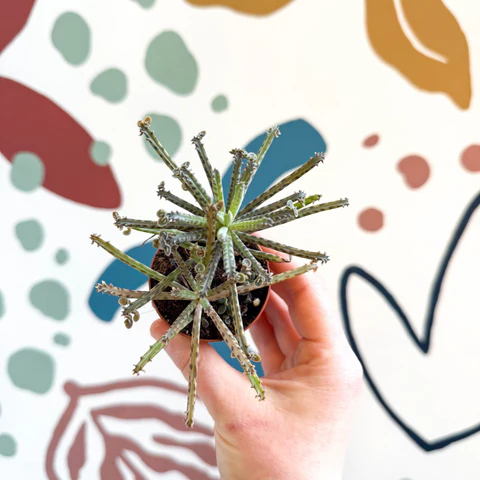
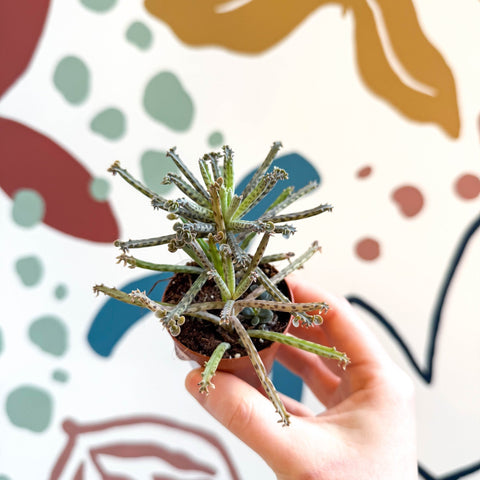
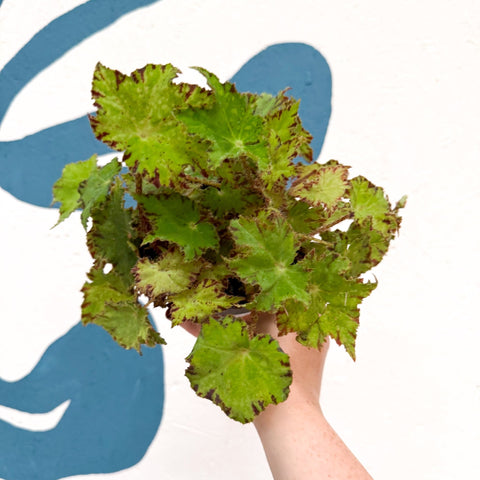
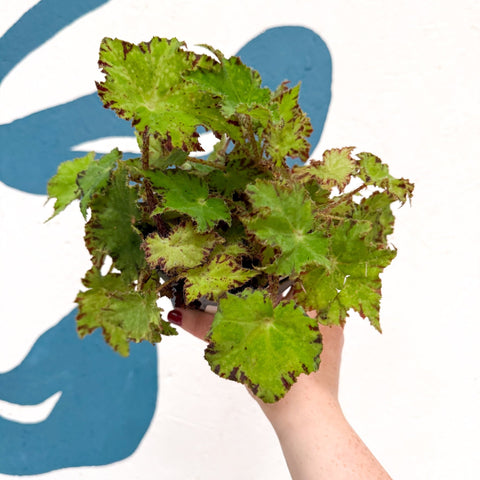
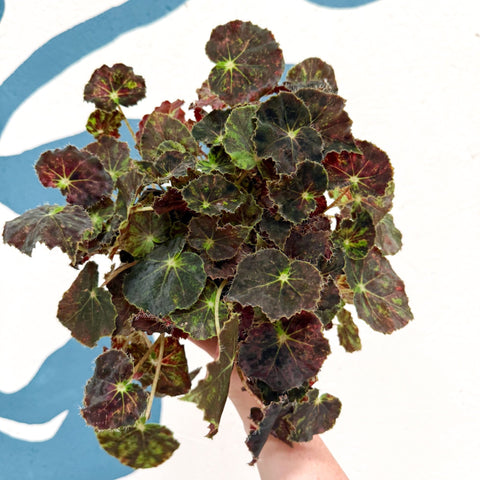
This plant definitely fits the bill if you're after something weird and wacky looking! Its common name is 'Chandelier Plant', and looking at it you can totally see why. From the central stem of the plant, its leaves grow outwards in skinny branches like the arms of a chandelier. It grows plantlets at the ends of these leaves, like the candles of the chandelier, and these can be propagated too! The mid-green of the plant is patterned with darker splotches like animal print and tinted slightly maroon. If you love your plant collection to look out of the ordinary, this is the perfect addition to add some crazy to the windowledge.
Scientific Name
Kalanchoe delagoensis (Delagoe's plant where the parts that fall, grow)
Synonyms: Bryophyllum delagoense, Bryophyllum tubiflorum, Bryophyllum verticillatum, Bryophyllum delagoense, Geaya purpurea, Kalanchoe verticillata
This species name was first published in 1837, but has been referred to by a few other names in between, including being identified as Bryophyllum before this was incorporated into the Kalanchoe genus.
Common Name(s)
Chandelier Plant, Mother of Millions, Devil’s Backbone, Lizard Plant, Mother-in-Law Plant
Origin
This plant is native to arid areas in Southern and South-Central Madagascar
Light
Thrives in bright, indirect light but tolerates some direct sunlight. Indoors, place near a south- or west-facing window.
Water
Allow the soil to dry out completely between waterings. Water deeply and ensure excess water drains away. During winter, reduce watering significantly as the plant enters dormancy. Beware of soggy soil which can lead to root rot.
Humidity
Prefers low humidity and adapts well to dry indoor conditions. Avoid placing it in overly damp environments, which may encourage fungal issues.
Soil
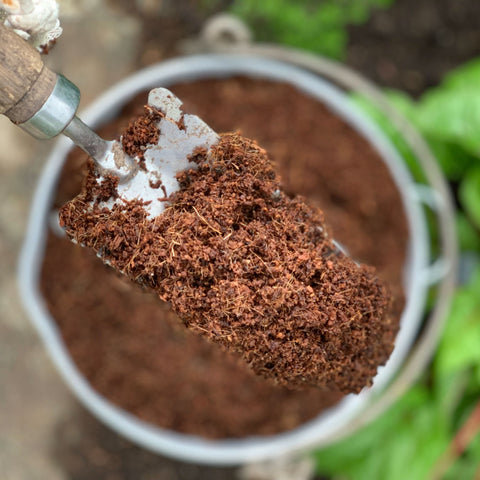
Plant in a well-draining cactus or succulent potting mix. Added sand, grit or perlite improves aeration and prevents waterlogging. Repot every 2-3 years or when the plant outgrows its container.
Food
Feed every 4-6 waters during the growing season (spring and summer) with a diluted cactus and succulent fertiliser. Avoid fertilising in autumn and winter.
Temperature
Ideal temperature is between 15-25°C; make sure it does not get colder than 12°C in winter.
Pet-safe
No, this plant is toxic if ingested. Keep it out of reach of pets and children.
Sprouts Top Tips
The plantlets along the leaf edges can root wherever they land, allowing the plant to spread quickly. Monitor and remove unwanted plantlets to control its growth (it's not called 'Mother of Millions' for nothing!) Rotate the plant periodically to ensure even light exposure and symmetrical growth.
Extras
When mature, Kalanchoë delagoensis may produce clusters of tubular orange or pink flowers on tall stalks, and letting it have a winter dormancy will make it more likely to flower.