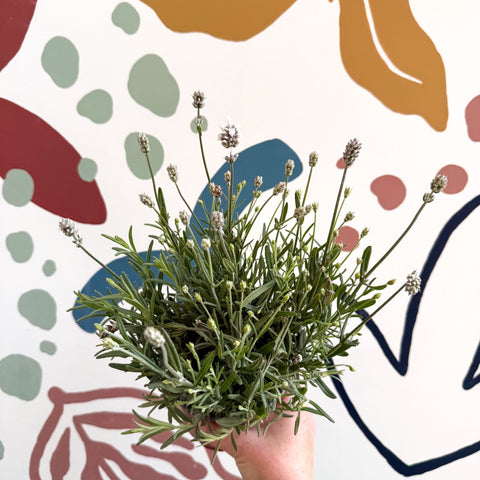
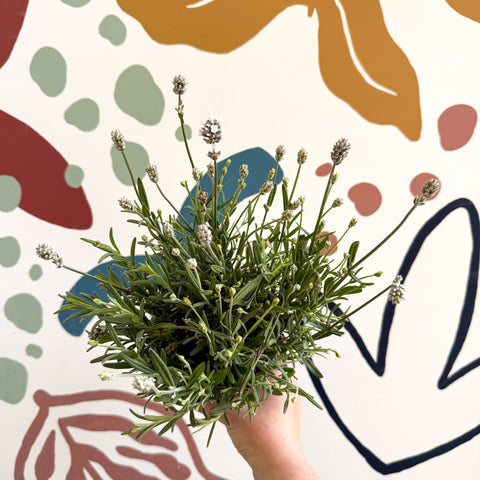
A shrub with fragrant, evergreen, grey-green leaves which sprouts fragrant white flowers in late summer. Hardy throughout most of the UK down to -15°C.
Fill your garden or outdoor area with the fragrance of lavender by adding this plant to your space! The evergreen foliage has a gorgeous grey-silver tinge to the green, which contrasts well with the white flowers that bloom in tall spires late in summer. English lavender is more cold-hardy than its French and Spanish cousins, and is thought to be more attractive to pollinators. It can grow well both planted out and in containers, so will suit many different outdoor setups. Give this plant plenty of sun and it will thank you with fragrance and beauty- as well as benefiting the wildlife that visits your garden!
Perennial
|
Shrub- flower spikes, fragrant
|
Foliage year round, flowers late summer and early autumn.
|
Scientific Name
Lavandula angustifolia ‘Vincenza White’
Common Name
Lavender, English Lavender, White Lavender, Snow Lavender
Origin
Native to the Mediterranean
Pruning Tips
Prune in early to mid spring or early autumn, as the flowers die back. Pruning is important to keep the plant healthy and not looking straggly.
Wildlife Value
Supplies nectar for butterflies and nectar-drinking moths; popular with bees and a wide range of other insects too.
Positioning
Full sun is best; the position may be sheltered or exposed but it will grow best when sheltered.
Water
Drought tolerant; should only need watering if it's been extremely dry. Keep a closer eye on the soil moisture if it's in a pot; it may dry out quicker or not drain as well.
Soil
Make sure your soil drains well; lavender will prefer alkaline to neutral soil but can put up with acidic soil if necessary.
Food
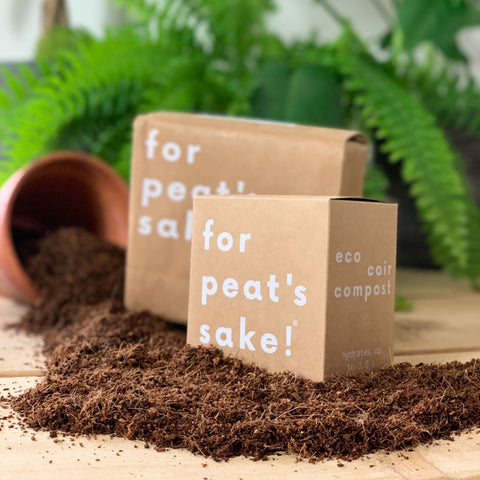
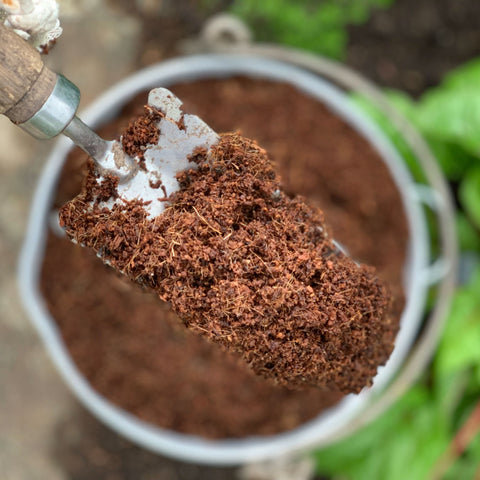
In a container, fertilise every couple of weeks; in the ground ensure you add nutrients to the soil in the form of fresh compost or mulch every year or so to keep the soil full of goodness for the plants!
Pet-safe
Yes; no toxic effects have been reported, though it's best for the plant and your pets if they don't nibble too much!
Sprouts Top Tips
If you want to grow in a container, terracotta is a good idea; as a more porous material, it will help your plant to not get too soggy.