The Living Stones just might be the weirdest-looking plant you'll ever see. True to their name, they look more like pebbles than living plants, but this incredible succulent is really alive and kicking! It achieves its unique appearance by growing two wide, fleshy leaves which are rounded or flattened on top, creating its stony appearance. In the wild, they grow on stony ground, blending in with normal, non-living rocks, in arid conditions where their thick leaves help retain water. In ideal conditions, the Lithops will flower, with the bloom growing between the two leaves and adding to this incredible plant's unique appearance. Each year the old leaves will dry out, giving way to the new pair, and should drop off in late spring or early summer, at which point the plant will be ready to drink its first water of the year! These plants grow in the driest conditions so the key is really making sure not to overwater.
Scientific Name
Lithops karasmontana (stonefaced plant from the Karas Mountains)
Common Name
Living Stone, Flowering Stone, Stone Face
Origin
Originates in South Africa
Light
Needs plenty of light; choose a sunny windowsill that gets a couple of hours of morning or evening sun year-round
Water
Lithops do not need much water at all; how much they use will also depend on climate, so in a cooler climate like the UK's they don't need much at all. Don't water over winter; when the old leaves have dried up, which could be as late as May or June, water the plant. One suggested regime is a small water to wake up the soil, followed a few days later by a big water, and then another big water a few weeks later. After this, water when it starts to flower (younger plants won't flower; look for a slight widening between the leaves as a sign they are a bit thirsty). Aside from this, only water if it has been exceptionally dry and the soil has completely dried out- lithops react badly to being drowned.
Humidity
Humidity is not important for the Lithops; a hose down every so often will help keep it free of dusts and pests.
Soil
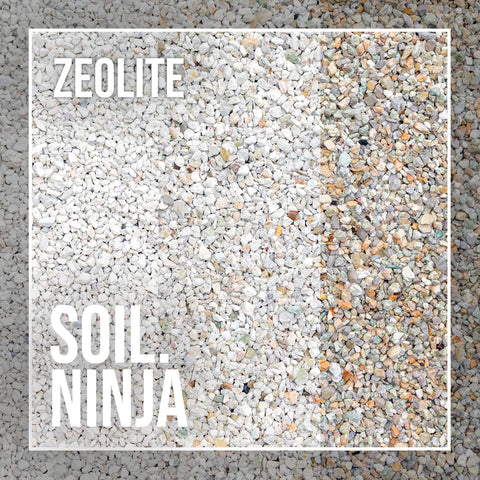
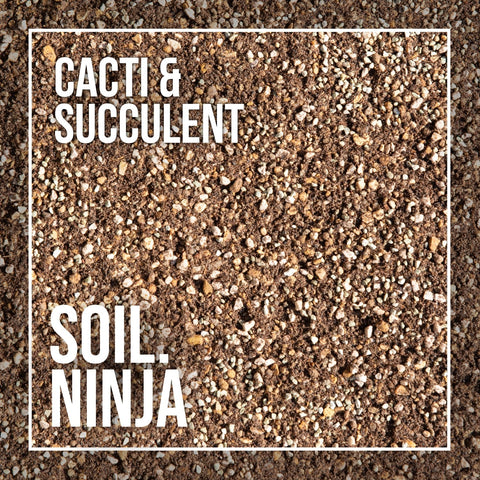
Make sure the soil drains well as Lithops roots really don't like sitting wet. Use a Cactus and succulent mix, and add extra grit for drainage if possible. Repot every 3-4 years in spring as the plant grows.
Food
Feed every two months in the growing season, reduce to every three in autumn and winter.
Temperature
Comfortable in temperatures of 5-32°C.
Pet-safe
Yes, but too much nibbling won't be good for pets, small humans or the plant!
Sprouts Top Tips
Once your Lithops is three years old, it may start to flower. Most likely to flower at the end of summer or in autumn, you can give it the best chance by ensuring it gets a couple of hours or morning or evening sun each day; when flowering it will appreciate a bit of water.
Extra watering advice would be to also take into account pot size; a small pot will dry out quicker than a big one, and a larger plant will need more water than a small one. When you do water, drench the pot (think monsoon) but allow it to totally dry out afterwards (i.e. don't have it sat in a puddle).