Despite its palm-like appearance, the Madagascar Palm is actually a succulent, storing water in its thick, spiny trunk. Topped with a crown of glossy green leaves, it has a bold, architectural look that makes it a real statement plant. Slow-growing and drought-tolerant, this sun-loving species is well suited to bright, warm indoor spaces and rewards minimal fuss with strong, upright growth.
Scientific Name
Pachypodium lamerei (thick-footed plant)
Described by Drake del Castillo in the late 19th century. Although commonly called a palm, Pachypodium belongs to the dogbane family (Apocynaceae) and is more closely related to succulents than palms.
Common Name
Madagascar Palm
Origin
Endemic to Madagascar, where it grows in dry, rocky habitats
Light
Prefers very bright light and can tolerate full sun. A south- or west-facing window is ideal. Insufficient light may cause weak, leaning growth or leaf drop.
Water
Water sparingly. Allow the soil to dry out completely between waterings, then water thoroughly and let excess drain away. Reduce watering significantly in winter, when growth slows and the plant may drop some leaves naturally.
Humidity
Does not require high humidity. Average household humidity is perfectly suitable.
Soil
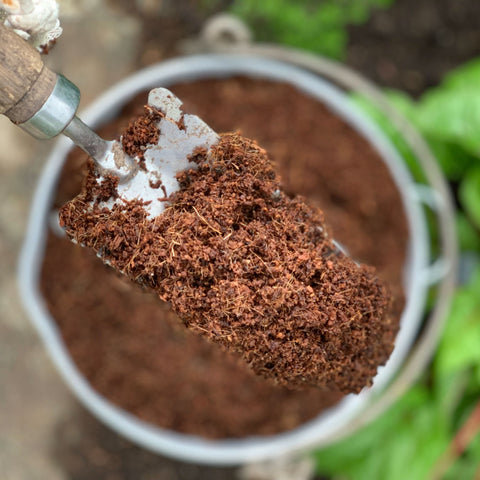
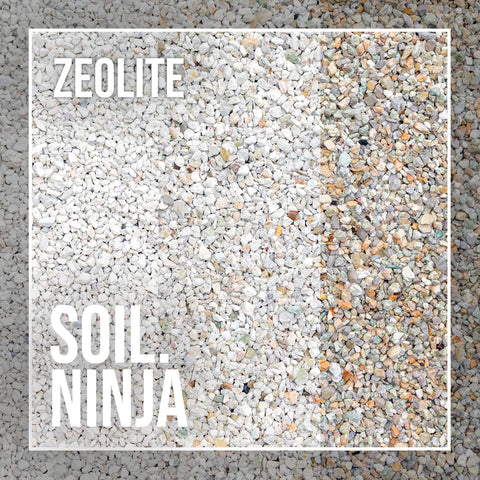
Use a very free-draining compost, such as a cactus or succulent mix. Adding extra grit or sand will help prevent root rot. Repot every 2–3 years in spring if needed.
Food
Feed every 3–4 waters during the growing season (spring to early autumn) using a low-nitrogen cactus fertiliser. Do not feed in winter.
Temperature
Prefers warm temperatures between 18–30°C. Avoid exposure to temperatures below 10°C and keep well away from cold draughts.
Pet-safe
Toxic if ingested – the sap can be irritating, and the sharp spines pose an additional hazard. Keep out of reach of pets and children.
Sprouts Top Tips
If leaves drop suddenly, don’t panic – this often happens in winter or if the plant gets too cold. Focus on keeping it warm, bright, and dry.
Extras
Mature plants may produce fragrant white flowers, but this is rare indoors and usually only occurs on older specimens grown in very bright conditions.
Did You Know?
In its native habitat, Pachypodium lamerei can grow several metres tall, using its swollen trunk to store water through long dry seasons.