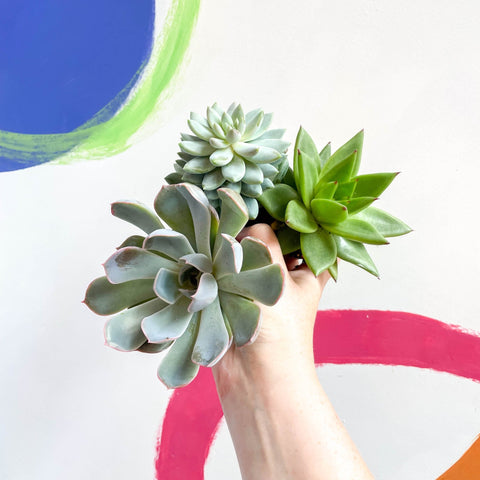
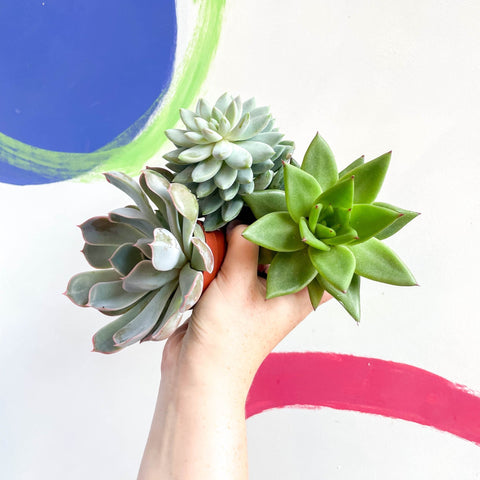
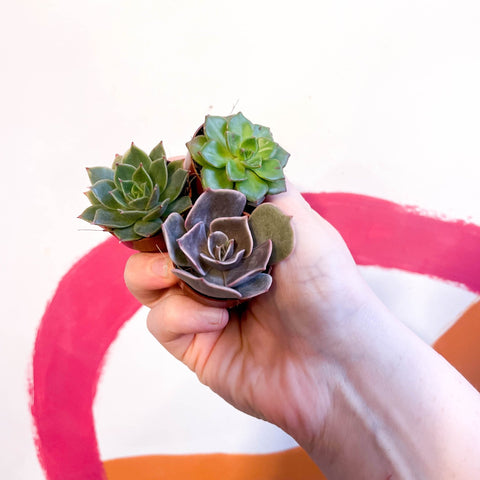
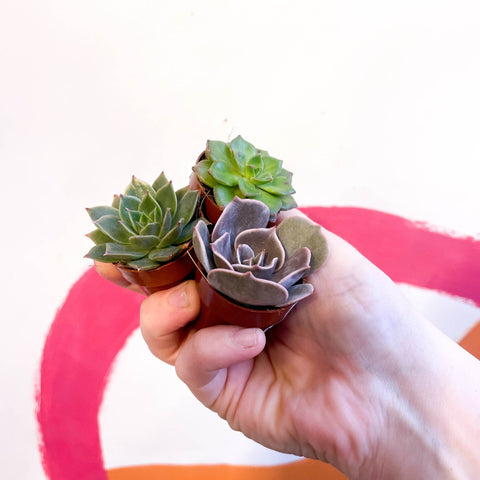
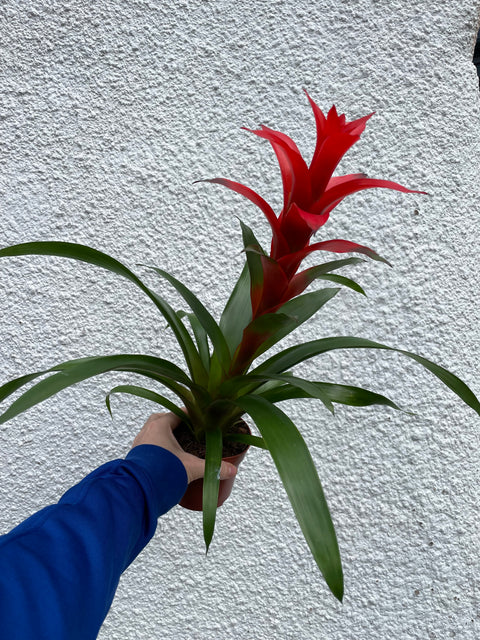
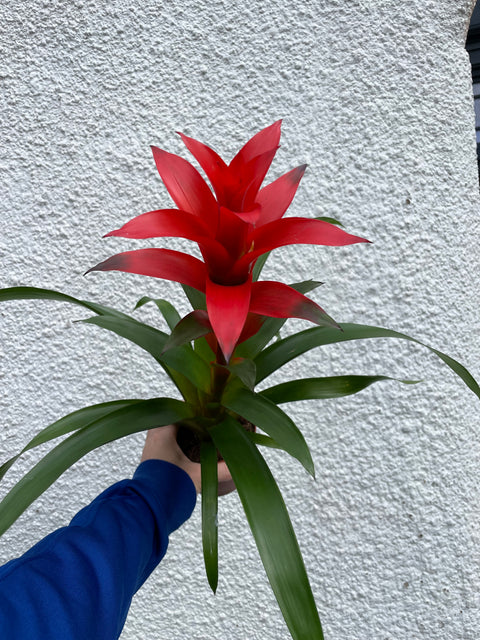
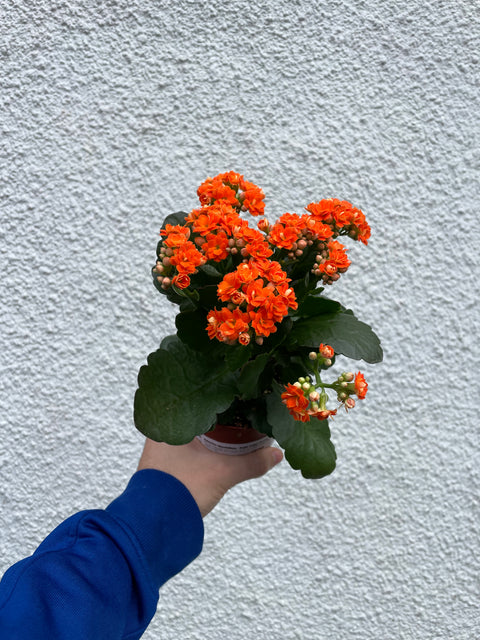
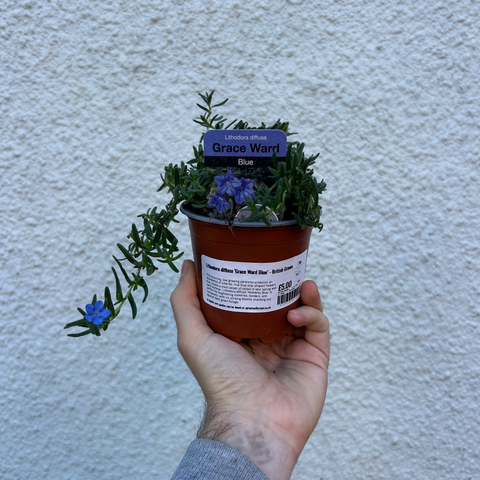
The perfect surprise for anyone who loves succulents, this selection is a mix of species and varieties of Echeveria. This Genus grows in rosette-like shapes, with its broad, succulent leaves sprouting from the centre of the plant. Coming in a variety of shades, from bright green to silvery turquoise, to those with a hint of pink, these succulents are happy in a window with plenty of light - preferably with a few hours of direct sun - and with their soil left to dry out between waters. Every plant in this mix is full of personality, with funky shapes and striking colours to add to your collection.
Scientific Name
Echeveria spp. (Echeverría's Plant)
This Genus was first written about under its current name in 1828.
Common Name(s)
Echeveria, Succulent, Rosette Succulent
Origin
Native to semi-desert regions of Central and South America, particularly Mexico.
Light
Most Echeveria varieties are happy with a variety of bright light levels, but will prefer a few hours of direct sun where possible. Keep near a sunny south- or west-facing window. If you're moving from low to higher light, do so gradually to avoid scorching your plant.
Water
Allow the soil to dry out completely between waterings. Water thoroughly during the growing season (spring and summer) and reduce watering in autumn and winter. Avoid letting water sit in the rosette, as this can cause rot.
Humidity
Low humidity is best. Keep away from damp environments and avoid misting. Ensure good air circulation around the plant.
Soil
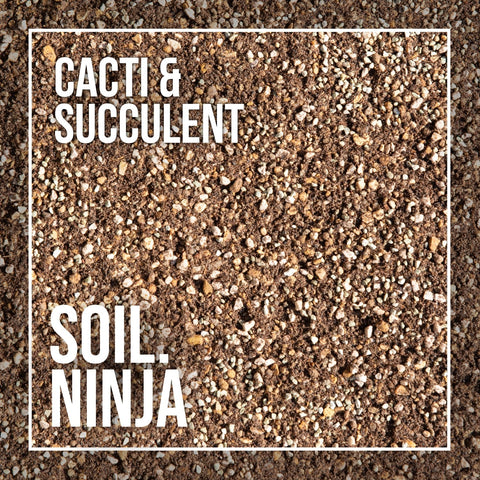
Use a well-draining cactus or succulent mix. Add sand or perlite for improved drainage. Pots must have drainage holes to prevent waterlogging. Repot every couple of years as the plant grows.
Food
Feed every couple of months during the active growing season with a diluted cactus and succulent fertiliser. Stop feeding during autumn and winter.
Temperature
Ideal temperatures range from 18-26°C. Most Echeveria varieties can tolerate cooler temperatures down to 5°C but must be protected from frost.
Pet-safe
Yes, but too much nibbling won't be good for pets, small humans or the plant!
Sprouts Top Tips
For vibrant colours and healthy growth, maximise light exposure while avoiding harsh midday sun. Rotate your plant occasionally to keep its rosette symmetrical.
Extras
Each Echeveria lucky dip plant has its own personality - some may develop brighter colours or interesting leaf shapes when given optimal care.
Did You Know?
The waxy coating on Echeveria leaves, called a 'farina', helps protect them from harsh sunlight and prevents water loss in arid environments.