An extraordinary climber from the rainforest canopy, Marcgravia umbellata is a shingling vine that hugs surfaces as it climbs, producing rounded, copper-tinged juvenile leaves that press flat against its support. As it matures, the plant develops larger, lush green leaves with a more trailing or sprawling habit. It’s ideal for growing on moss poles, flat boards, or in terrariums, and brings an unmistakable jungle feel to your indoor collection.
Scientific Name
Marcgravia umbellata (from Latin umbella, “little shade” or “umbrella”, referring to the shape of the plant’s flower clusters)
Named in honour of German naturalist Georg Marcgraf. Marcgravia umbellata is a member of the Marcgraviaceae family, native to Central and South America. It is one of the few shingling species cultivated indoors, and in the wild, it forms part of the forest canopy, often growing alongside bromeliads and orchids.
Common Name(s)
Shingling Vine, Marcgravia, Umbrella Vine
Origin
Native to tropical rainforests of Central and South America, including Brazil and the Caribbean
Light
Prefers bright, indirect light with some dappled shade – similar to light levels under a forest canopy. Avoid direct sun, which can scorch young leaves.
Water
Keep the soil evenly moist but not soggy. Water when the top 2–3cm of soil is just starting to dry out. Reduce slightly in winter but never let it fully dry out.
Humidity
Loves high humidity – ideally 70% or above. Perfect for terrariums, cabinet setups, or rooms with humidifiers. Leaf edges may crisp if humidity drops too low.
Soil
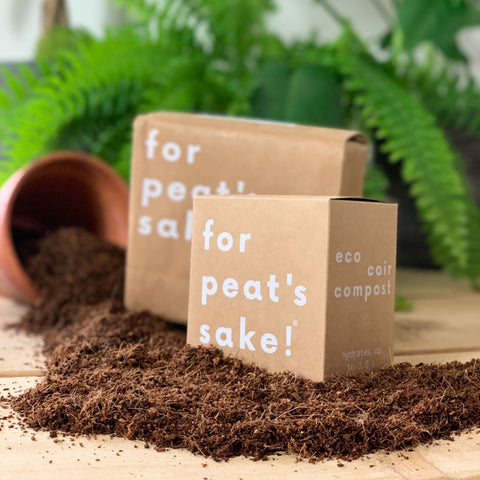
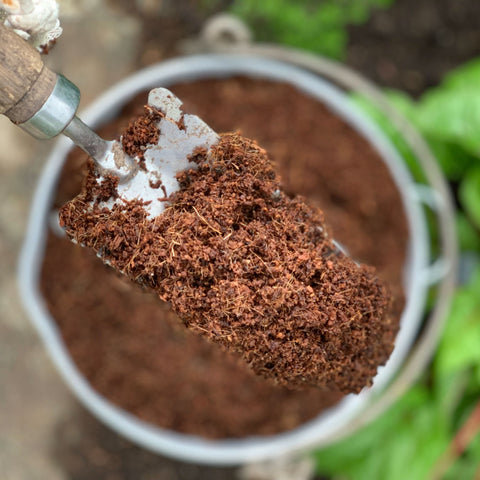
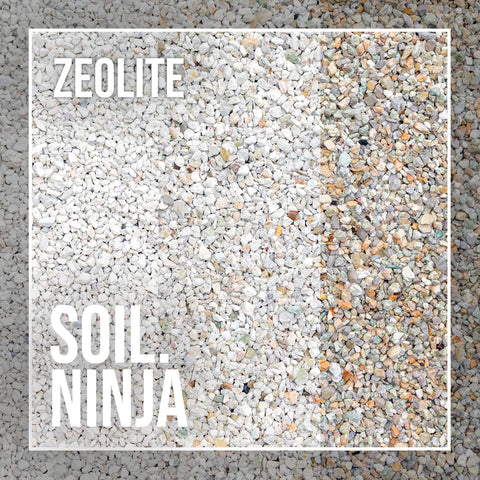
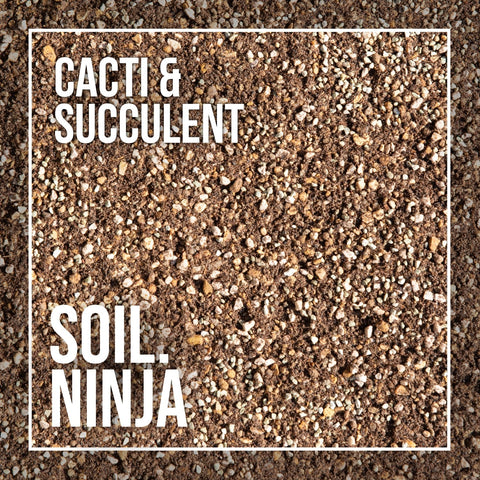
Use a light, moisture-retentive but well-draining mix. A blend of compost, orchid bark, sphagnum moss, and perlite works well. Mounting on moss boards or cork bark is ideal for its natural growth habit.
Food
Feed every 4–6 weeks in the growing season with a diluted, balanced fertiliser. Foliar feeding can also support leaf growth.
Temp
Prefers 20–28°C. Keep away from cold draughts and do not allow temperatures to drop below 16°C.
Pet-safe
Not confirmed – keep out of reach of pets and children as a precaution.
Sprouts Top Tips
To encourage the classic shingling growth habit, provide a flat vertical surface like a moss pole or cork board. High humidity and stable warmth are key to success.
Extras
In the wild, Marcgravia umbellata is a mutualistic partner with bats – its dish-shaped leaves reflect echolocation, helping bats locate the plant and pollinate its flowers.
Did You Know?
The plant’s juvenile shingling phase is a survival adaptation – the pressed leaves help it climb silently and safely toward the canopy, where it can eventually flower.