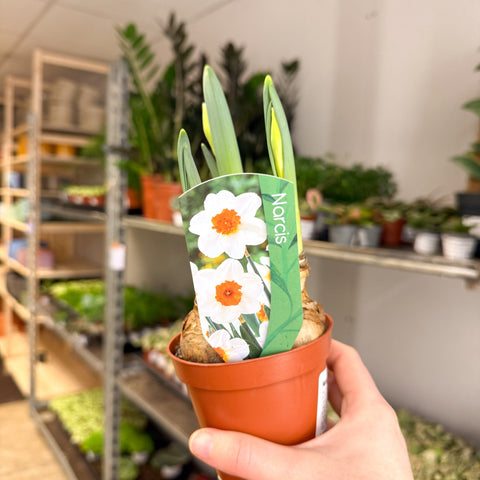
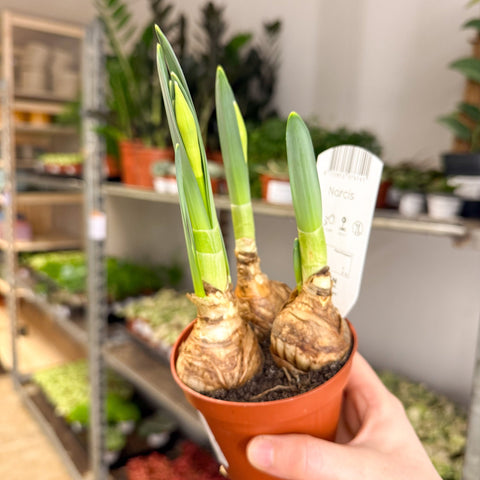
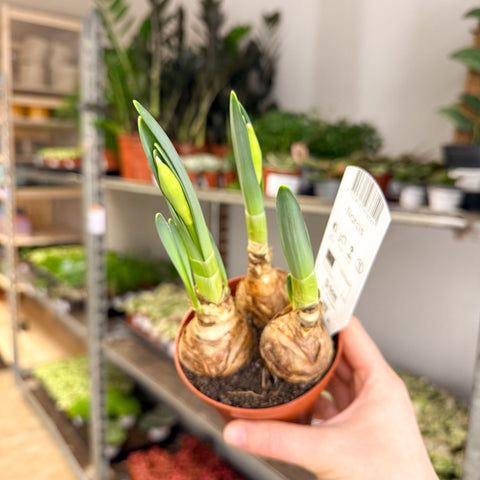
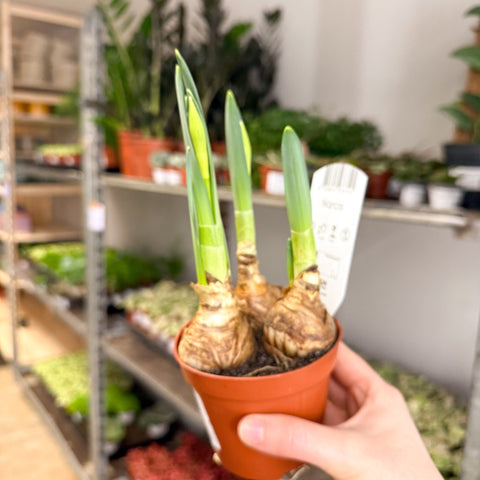
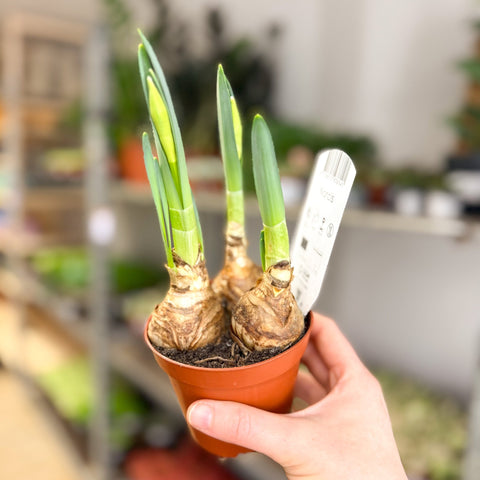
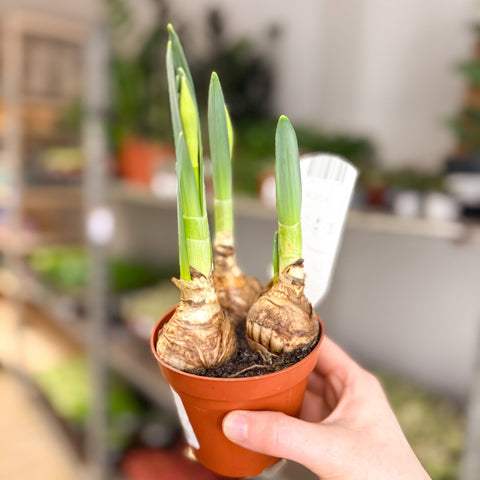
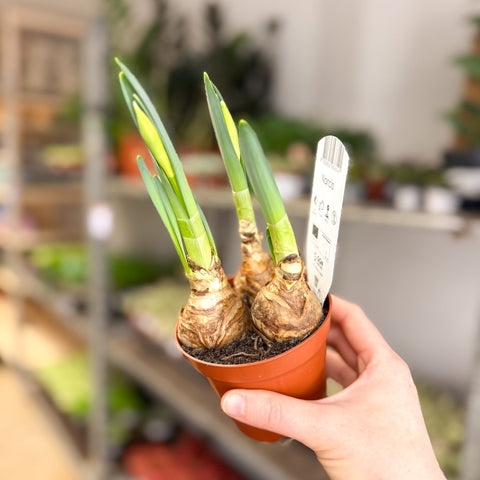
This striking double daffodil features layers of soft white petals surrounding a ruffled centre of warm apricot–orange tones. Hardy throughout the UK down to –20°C.
Bernett Browning is a wonderfully characterful daffodil, with its full, double blooms giving it a slightly vintage, romantic feel. The creamy white outer petals are gently folded and frame a richly coloured centre, where splashes of apricot and orange add depth and warmth. Lightly scented and full of charm, it’s a real spring standout that works beautifully in both traditional and contemporary gardens.
This variety produces strong stems topped with generous blooms, making it well suited to borders, containers, and patio pots. Reaching around 40–45cm in height, Bernett Browning flowers in mid to late spring, providing a bright burst of colour just as the garden is fully waking up for the season.
|
Perennial bulb
|
Flower: tufted growth
|
Flowers and foliage March - April
|
Scientific Name
Narcissus 'Bernett Browning' (Daffodil (hybrid species), cultivar: Bridal Crown)
Common Name
Double Daffodil, Bernett Browning Daffodil
Origin
Native to Western Europe
Pruning Tips
No pruning required - don't prune after flowering as this is when the plant will be replenishing its food reserves. You can deadhead faded blooms.
Wildlife Value
Attracts pollinators such as bees and butterflies, but not massively significant for pollinators.
Positioning
Prefers a well-draining and sunny location, although it can tolerate partial shade. It’s perfect for planting in containers, borders, or rock gardens.
Water
Water only in unseasonably dry weather; make sure the soil is moist when the plant is growing.
Soil
Prefers well-draining, slightly acidic to neutral soil. Avoid overly rich soil, as this can lead to weak growth.
Food
Feed with a balanced, slow-release fertiliser at the start of the growing season to support strong blooms.
Pet-safe
No, Narcissi are toxic to pets if ingested, so it’s best to plant in areas that are out of reach of animals.
Sprouts Top Tips
For the most dramatic display, plant in groups or drifts. This variety is particularly suited to spring pots, where its fragrant blooms can be enjoyed up close. Allow foliage to die back naturally to ensure healthy bulbs for next year’s blooms.