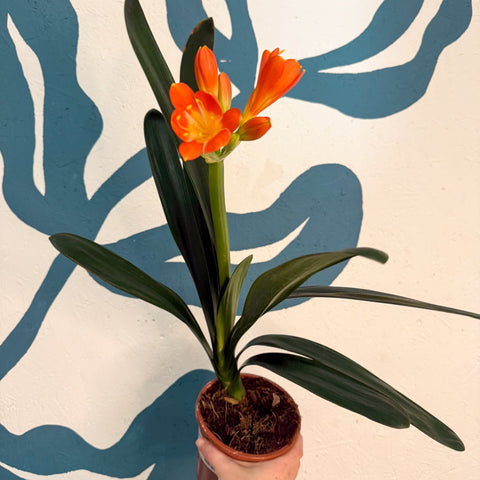
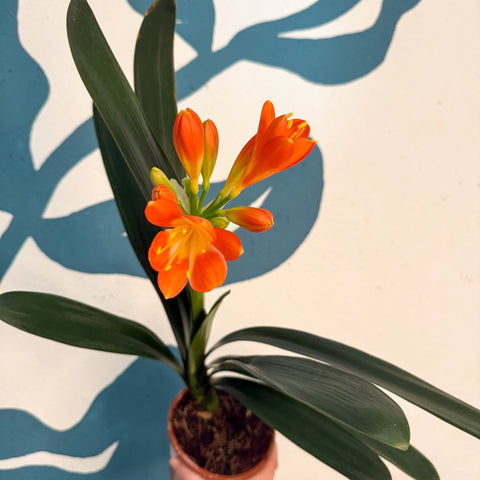
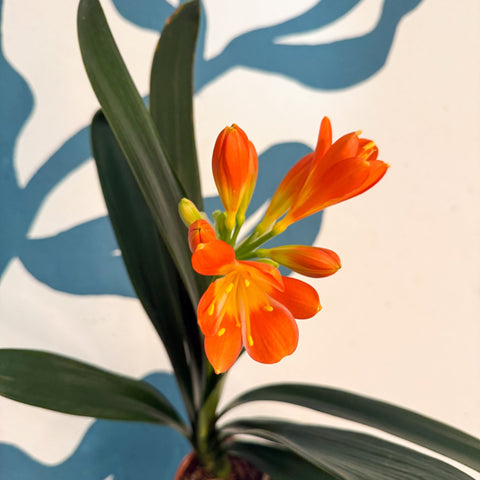
Clivia miniata - Bush Lily
Buy with confidence
Everything we do is designed to get your order to you safely and happily.
🌿 Packed with care in Bristol, UK
⭐ Loved by thousands of happy Sprouts customers
📦 Royal Mail Tracked delivery
💚 Independent & Real Living Wage Employer
If your plant arrives damaged or unhappy, we’ll put it right. Find out more here
Every plant is carefully packed by our small, plant-loving Bristol team using protective, mostly plastic-free packaging.
Occasionally, you may find reused bubble wrap – this has been donated to us, and we encourage you to reuse it too.
Orders are usually packed and dispatched within 2–4 working days. We may occasionally delay dispatch during periods of extreme weather to protect your plants. We always prioritise plant health over speed of delivery.
Delivery is £5 for any number of items, or free on orders over £60. We deliver across the UK only.
We also offer local, bike-powered delivery in Bristol for £5 via Pedal Collective, a gentler option for plants and the planet.
We believe in paying people fairly, that’s why we’ve been a Real Living Wage Employer from the very beginning. We’re an independent Bristol business, packing every order ourselves.
Supporting us means supporting fair work.
Questions before ordering? Just drop us a message – we’re always happy to help.
Head to our contact page and fill in the contact form and one of the team will be in touch shortly
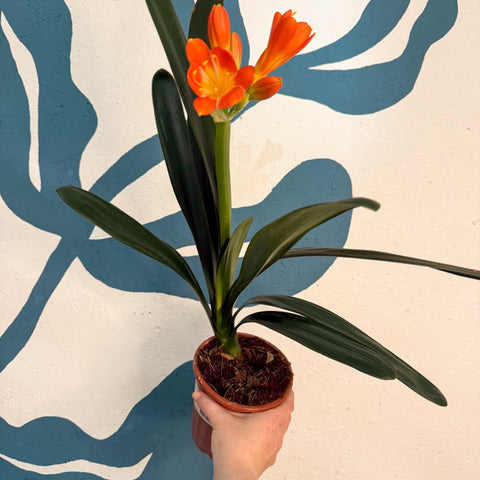
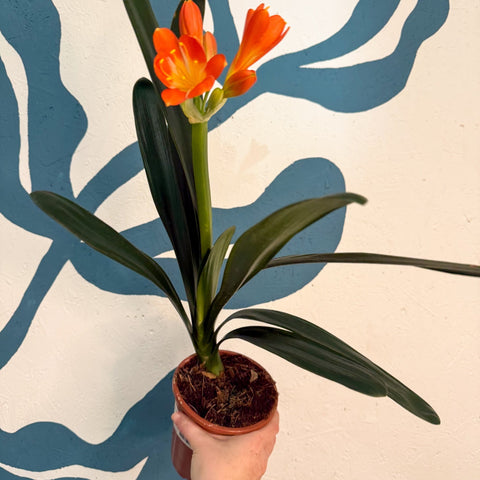
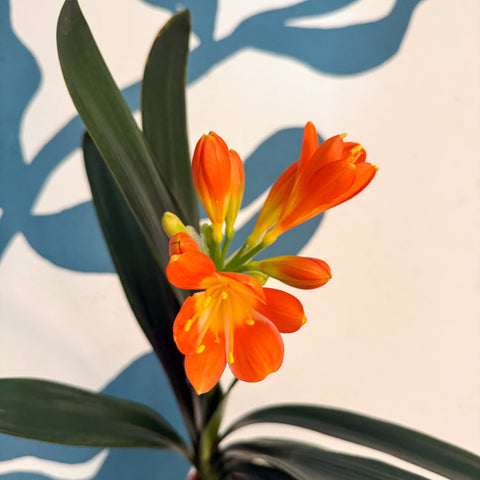
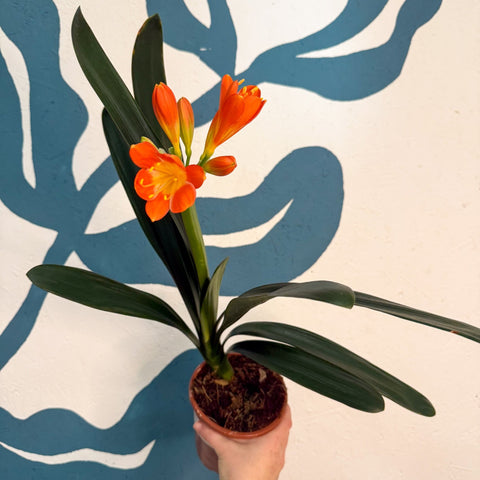
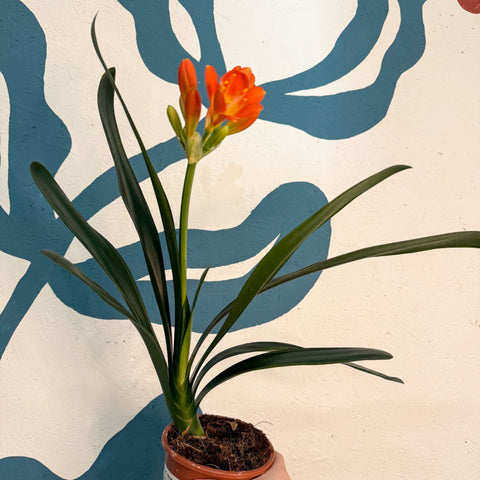
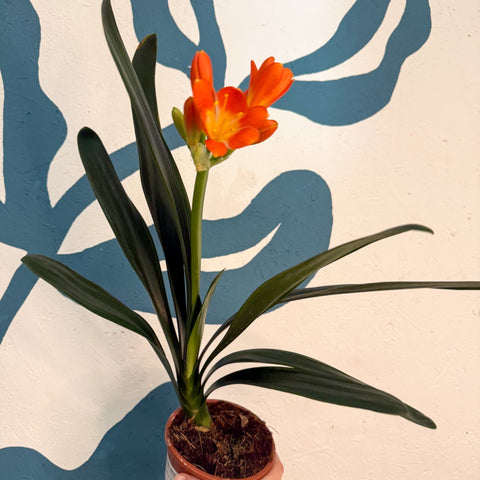
The bright colours of the Bush Lily may be adapted for pollinators in its native South Africa, but they certainly make it stand out as a houseplant too. Blooming in shades of red, orange or yellow, these houseplants will look their best in spring and summer as they bloom. Their lush, deep green leaves are sure to look great year-round, too, sprouting full length from the centre of the foliage. Each leaf builds on the last to form a central stem with a criss-cross pattern, from which the flower stem is produced in spring. Keep your Bush Lily in bright but indirect light, make sure half the soil dries out before you water again, and you can keep this plant happy and blooming year on year.
Scientific Name
Clivia miniata (Lady Clive's cinnabar-red plant)
Synonyms: Imantophyllum miniatum, Imatophyllum miniatum, Vallota miniata, Clivia sulphurea, Imantophyllum barkeri, Imatophyllum atrosanguineum, Imatophyllum vanhouttei, Himantophyllum miniatum
This plant was described under a few names in the 1850s, most notably Imantophyllum miniatum, but since Clivia miniata was settled on following an 1857 paper, it has retained its accepted status.
Common Name
Bush Lily, Natal Lily, Flame Lily, September Lily, (Kaffir Lily - an outdated and offensive name due to the use of racist term 'kaffir')
Origin
Native to large parts of South Africa and Eswatini
Light
Prefers bright, indirect light but can tolerate some shade. Avoid direct sunlight, which can scorch the leaves. A north or east-facing window is ideal.
Water
Allow the top half of the soil to dry out before watering. Water more sparingly in winter to encourage flowering in spring. Be careful not to let it sit wet as this can lead to root rot.
Humidity
Prefers moderate humidity but is quite adaptable to typical indoor conditions. Avoid placing near radiators or in draughts, as dry air may cause leaf tips to brown.
Soil
Use a chunky potting soil which allows air to get to the roots - a mix with added bark, or one designed for Anthuriums or Orchids, will work well here. Repot annually in late spring/early summer.
Food
To prolong and promote flowering, a fertiliser high in potassium (e.g. a tomato feed) will be the best choice. Feed with this during the blooming period; standard houseplant feed is fine the rest of the year, and make sure to feed less over the winter dormancy period.
Temperature
Clivia thrive best between 10-24°C, but can stand temperatures down to about 6°C in winter. Can be grown outdoors in the UK in summer, but not frost hardy so should be brought indoors at first risk of frost.
Pet-safe
No, Clivia is toxic to pets and humans, especially the bulbs and berries.
Sprouts Top Tips
Your Natal Lily will shed older roots as it grows new ones, so don't worry if half of the roots have become deflated or even rotten - just prune them off with a clean pair of scissors when you repot, and adjust the size of pot you repot into depending on the size of the healthy roots.
To get your Clivia to re-flower, make sure it gets a dormant period over winter, with drier soil, lower temperatures and less food. Being slightly potbound will also make it more likely to flower.
Extras
This plant has been given the RHS' prestigious Award of Garden Merit
Did You Know?
This Genus is named for Lady Charlotte Florentina Clive, Duchess of Northumberland, the first person to flower the type-species in cultivation in the UK.
Add a Pot & Care Essentials
Most customers add a pot or soil when purchasing this plant.



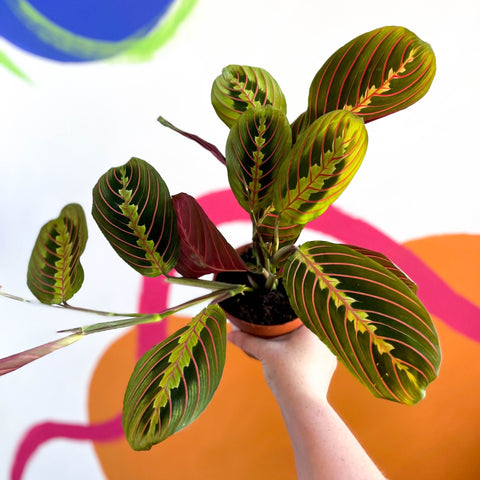
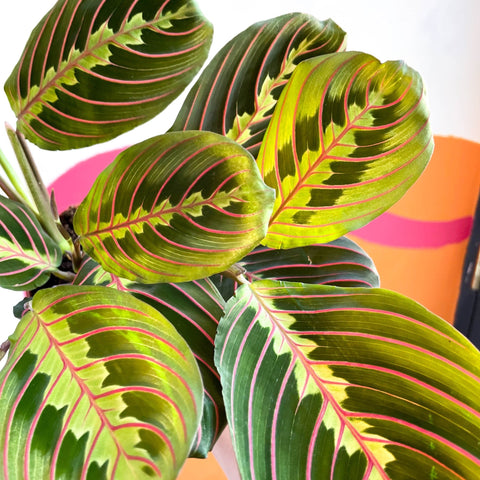






Excellent plant for the corner of the room, with its leaves blooming in opposite directions, like a peacock spreading its feathers.
Check out The Sprouts Blog
Sprouts insights to house plants, gardening, our favourite brands and plant hire case studies.