xColmanara - Orange Cambria Orchid
Buy with confidence
Everything we do is designed to get your order to you safely and happily.
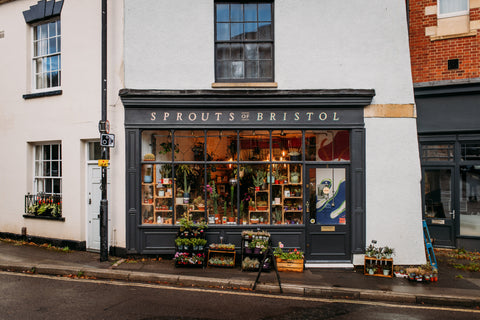
🌿 Packed with care in Bristol, UK
⭐ Loved by thousands of happy Sprouts customers
📦 Royal Mail Tracked delivery
💚 Independent & Real Living Wage Employer
If your plant arrives damaged or unhappy, we’ll put it right. Find out more here
Every plant is carefully packed by our small, plant-loving Bristol team using protective, mostly plastic-free packaging.
Occasionally, you may find reused bubble wrap – this has been donated to us, and we encourage you to reuse it too.
Orders are usually packed and dispatched within 2–4 working days. We may occasionally delay dispatch during periods of extreme weather to protect your plants. We always prioritise plant health over speed of delivery.
Delivery is £5 for any number of items, or free on orders over £60. We deliver across the UK only.
We also offer local, bike-powered delivery in Bristol for £5 via Pedal Collective, a gentler option for plants and the planet.
We believe in paying people fairly, that’s why we’ve been a Real Living Wage Employer from the very beginning. We’re an independent Bristol business, packing every order ourselves.
Supporting us means supporting fair work.
Questions before ordering? Just drop us a message – we’re always happy to help.
Head to our contact page and fill in the contact form and one of the team will be in touch shortly
A cross between three different genera of Orchid, this Colmanara may have inherited its good looks from any or all of them! Its orange flowers bear petals ranging from bright tangerine to almost red, which sprout from long flower stems amongst the large, bright green leaves which mark out an orchid. It is an epiphyte, so will benefit from having chunky soil with added bark; if you see its roots growing out of the top of pot, that is also fine as it is adapted to having the air on its roots when growing on trees! Find a spot with plenty of bright, indirect light and make sure you don't over water and this orchid will reward you with more gorgeous flowers in future.
Scientific Name
x Colmanara (Colman's Orchid)
Colmanara Orchids are a hybrid of the genera Odontoglossum, Oncidium, and Miltonia.
Common Name
Cambria Orchid, Colmanara Orchid, Orchid hybrid
Origin
This hybrid was created in Belgium, but its parent plants grow naturally in tropical forests.
Light
Bright, indirect light is best; all its parent plants are used to having thick forest canopy to protect them from the harsh rays of the sun, but the light they get is still bright!
Water
Allow the top third of the soil to dry out between waters; if you pick up the pot and it still feels heavy, it doesn't need watering yet! Use lukewarm water rather than cold to avoid shocking the roots.
Humidity
If the leaf tips go brown or the flowers die off quickly, this is a sign that your orchid is in too dry a spot, and if this is the case it will benefit from using a humidity tray. To help avoid this, don't put the plant near a radiator as this will dry it out far too quickly.
Soil
In its natural habitat, this plant is an epiphyte (grows on trees), so a soil with added bark, such as a blend designed for Anthuriums or Orchids will work well here. Repot every three or four years in spring while the plant is not blooming; don't worry about any roots sticking out as this is how orchids grow in the wild!
Food
Using Orchid feed will be the most effective, and this type of orchid can absorb nutrients through its leaves too, so a foliar feed will be effective; normal houseplant feed is also fine. Feed every other water in the growing season, and reduce to every six waters over autumn and winter.
Temperature
Temperature should ideally be between 15-27°C in the daytime. Cooler night temperatures will be beneficial and can help your orchid flower. Aim for around 10°C overnight; see below for more detail.
Pet-safe
Yes, but too much nibbling won't be good for pets, small humans or the plant!
Sprouts Top Tips
If you are struggling to get your plant to re-flower, check the temperatures you're keeping it at. It needs a temperature drop overnight, mimicking an outdoor tropical environment, to facilitate re-flowering. As it is a hybrid species, it can be difficult to know exact temperatures and temperature limits, but a good guideline is to aim for 10°C overnight temperatures. There is some wiggle room for a couple of degrees of change with the seasons (do note it will likely suffer below 8°C in winter or for long periods, especially if it's a sudden change). Make sure it's not near a heater which would keep it at a warmer overnight temperature as this can harm its chances of growing and flowering.
Add a Pot & Care Essentials
Most customers add a pot or soil when purchasing this plant.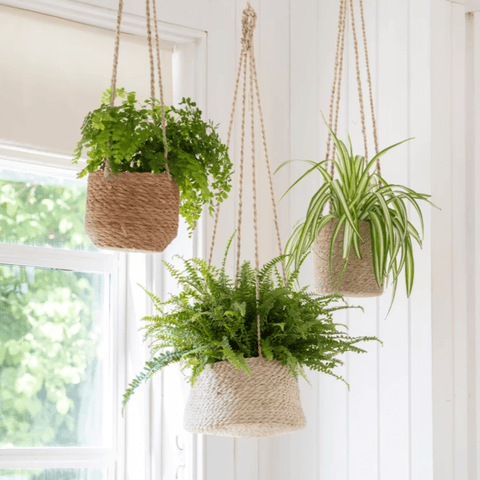









Good to see a less than bog standard orchid on sale and at a competitive price too. Healthy specimen, pest and disease free. Well done SoB👏 for sourcing unusual specimens. Please keep going. I will be back. Thank you.
Check out The Sprouts Blog
Sprouts insights to house plants, gardening, our favourite brands and plant hire case studies.