

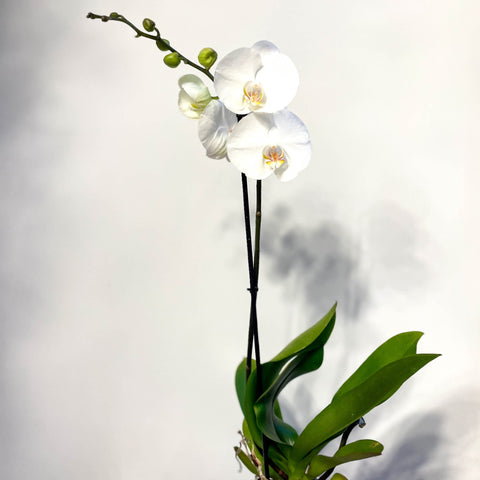
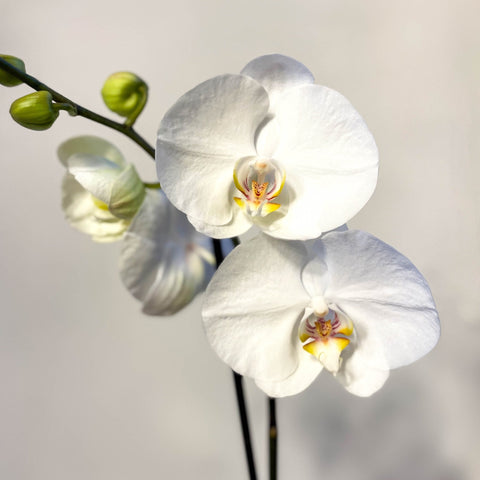

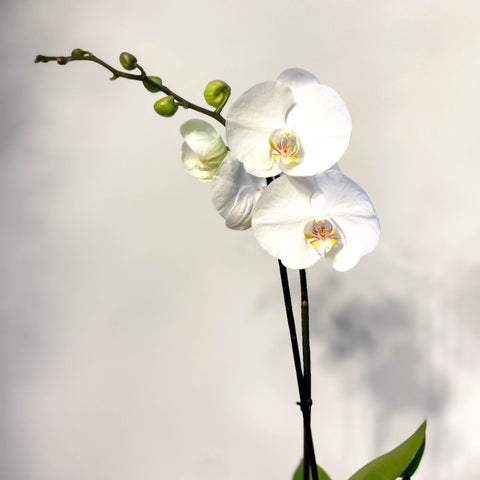
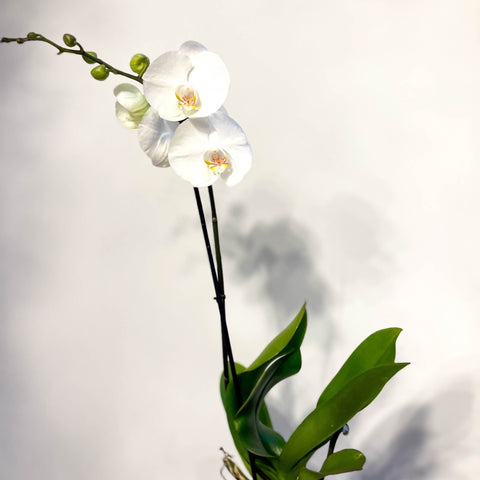
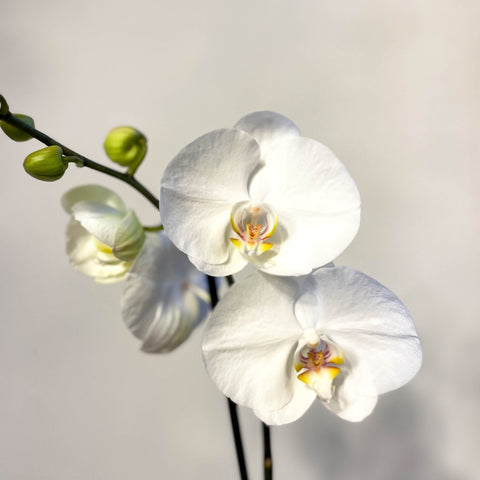
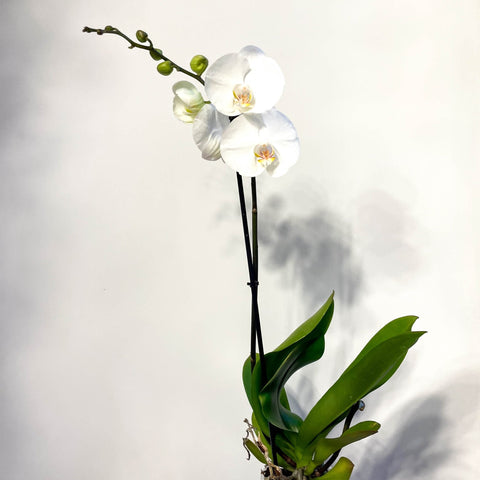
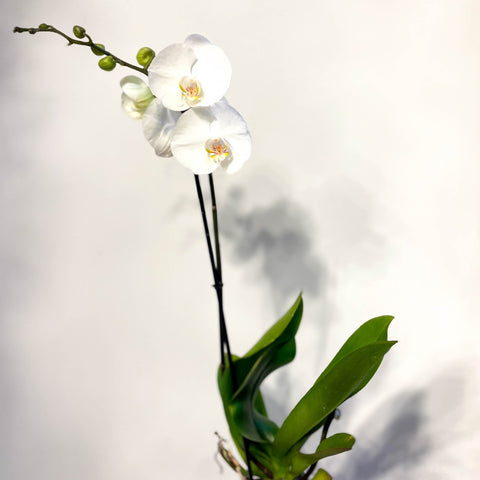
Phalaenopsis 'White World' - White Moth Orchid
Buy with confidence
Everything we do is designed to get your order to you safely and happily.
🌿 Packed with care in Bristol, UK
⭐ Loved by thousands of happy Sprouts customers
📦 Royal Mail Tracked delivery
💚 Independent & Real Living Wage Employer
If your plant arrives damaged or unhappy, we’ll put it right. Find out more here
Every plant is carefully packed by our small, plant-loving Bristol team using protective, mostly plastic-free packaging.
Occasionally, you may find reused bubble wrap – this has been donated to us, and we encourage you to reuse it too.
Orders are usually packed and dispatched within 2–4 working days. We may occasionally delay dispatch during periods of extreme weather to protect your plants. We always prioritise plant health over speed of delivery.
Delivery is £5 for any number of items, or free on orders over £60. We deliver across the UK only.
We also offer local, bike-powered delivery in Bristol for £5 via Pedal Collective, a gentler option for plants and the planet.
We believe in paying people fairly, that’s why we’ve been a Real Living Wage Employer from the very beginning. We’re an independent Bristol business, packing every order ourselves.
Supporting us means supporting fair work.
Questions before ordering? Just drop us a message – we’re always happy to help.
Head to our contact page and fill in the contact form and one of the team will be in touch shortly
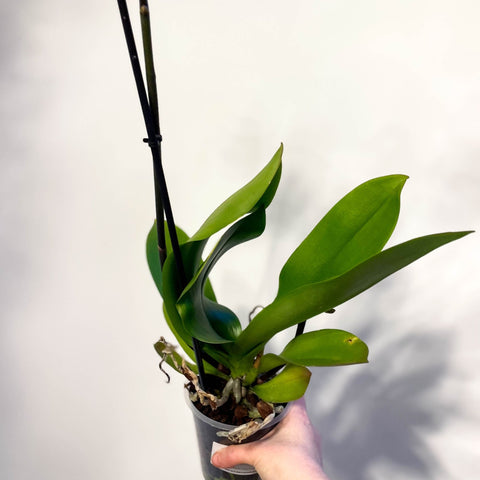
Phalaenopsis are good beginner orchids, so if you've always admired the looks of these blooming beauties, this could be the one to get you into the flowering Orchid family! This variety's striking, large white blooms really catch the eye, attracting attention and making a great addition to your home, or a lovely flowering present. Orchids are epiphytes, growing on trees in their natural habitat - which is why you'll often see them potted straight into bark, and why climbing aerial roots are nothing to worry about. Their roots are also able to photosynthesise, which is why you often get transparent orchid pots. When you look at the roots, you may also notice the greenish tint that comes from the chlorophyll needed for the process! This is also helpful to the orchid grower - green roots indicate a happy and hydrated plant, whilst if they are more silver, this shows that they are thirsty. Use this as an indication of when your orchid needs water and you're good to go.
Scientific Name
Phalaenopsis 'White World' (bright-eyed plant, cultivar: White World)
In the Genus Phalaenopsis - most likely a hybrid species
Common Name
Moth Orchid, Moon Orchid, Mariposa Orchid, White Moth Orchid
Origin
Native to Southeastern Asia and parts of Australia
Light
In Spring and summer, give your orchid plenty of bright, indirect light (direct sun can burn it, causing the leaves to go red, and dry out the flowers); in autumn and winter, it will benefit from a splash of morning or evening sun to help it through its dormancy in the colder months. A north- or east-facing windowsill would have a good level of light.
Water
As orchids like their roots to be free, you can use the root colour to check whether they need watering! Silver roots are thirsty roots, while green shows that they are happy and don't need water. They will prefer tepid water as cold water can shock them and damage the flowers; they also dislike tapwater so boiled water or rainwater will be better for them. Bottom watering or misting the roots directly are good ways to water orchids as that will make sure no water is sat in the orchid's leaves. Do not leave your orchid in soggy soil, though! If you're bottom watering, remove the leftover water once the plant has drunk its fill, and mist any airborne roots so they don't dry out.
Humidity
Moth Orchids like high humidity, so will benefit from the introduction of a pebble tray or from misting (as long as they aren't left with water in the folds of their leaves). Make sure you don't keep them too close to a radiator or in a draught!
Soil
Use an orchid soil or add plenty of bark to your soil for best results with your Moth Orchid. If you want to be more adventurous, they can grow straight on bark or in moss, or a combination, as this will also resemble their natural habitat. More potbound orchids will produce more flowers; when you do repot, don't squish all the aerial roots in as they will prefer being free, and use a transparent orchid pot the next size up to keep them happy.
Food
Use a fertiliser designed for orchids for best results; they need plenty of phosphorus and nitrogen for flowering! Feeding into the roots is fine but can lead to a build-up of nutrients on the roots so it can be more effective to feed your Moth Orchid through its leaves, spraying the feed onto the top of the leaves where their stomata, the 'mouths' they breathe through, can absorb the nutrients. Feed every couple of weeks in the growing season and every month in autumn and winter.
Temperature
Ideal daytime temperature is 16-30°C; make sure it does not get colder than 15°C in winter. A 5°C drop in temperature overnight will benefit your orchid, and especially in autumn, will help encourage it to flower again the following year.
Pet-safe
Yes, but too much nibbling won't be good for pets, small humans or the plant!
Sprouts Top Tips
Keep an eye on the colour of your Orchid's roots to spot potential issues as well as when to water; yellow roots mean it's in too bright a spot and starting to get sunburnt, while brown roots are a sign of root rot, meaning they have been overwatered far too much.
When deadheading, never cut off the flowering shoot if it's still green as you would be cutting off buds! When trimming the flower spike after blooming and once it is no longer green, trim about an inch (2.5cm) above the second notch from the base.
Did you know?
Moth orchids are the easiest type of orchid to re-bloom, so they are the perfect orchid if you haven't grown one before or want to gift one but aren't sure of your friend's level of expertise!
Add a Pot & Care Essentials
Most customers add a pot or soil when purchasing this plant.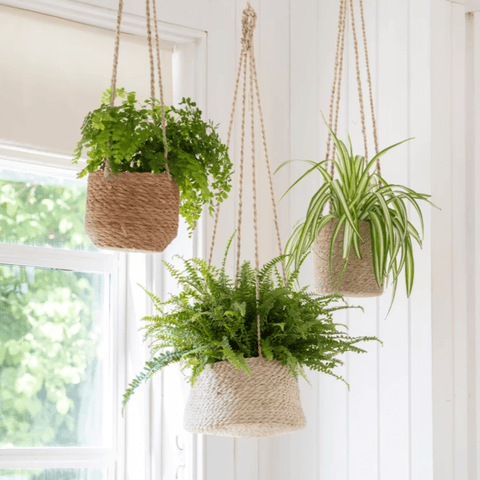











Check out The Sprouts Blog
Sprouts insights to house plants, gardening, our favourite brands and plant hire case studies.