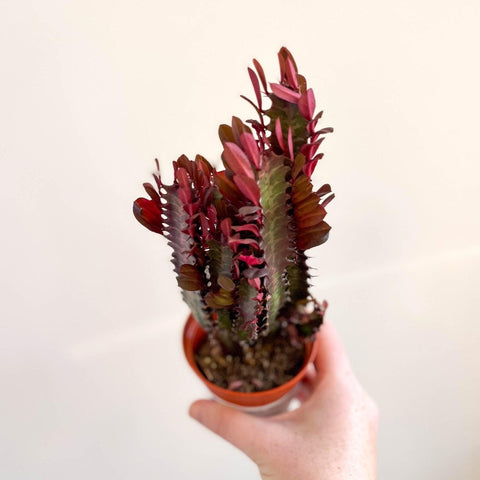
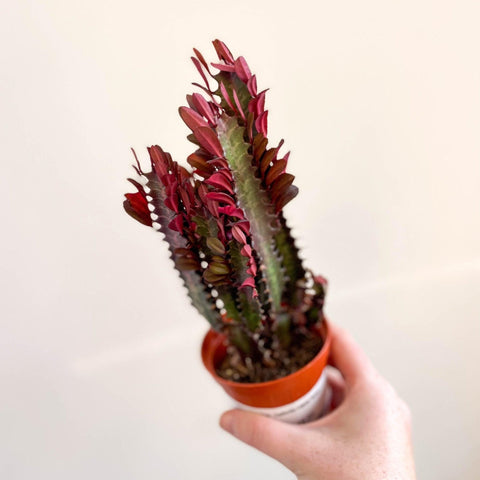


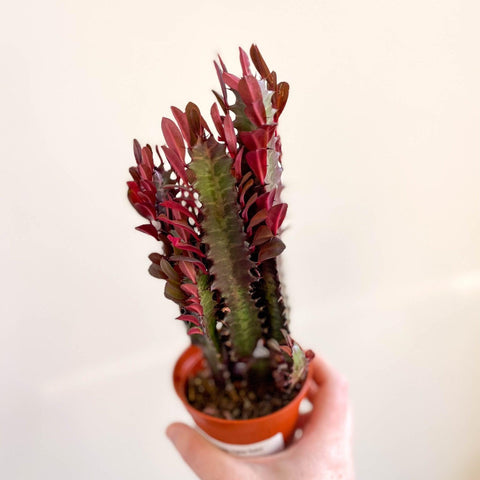

Euphorbia trigona 'Rubra' - Red African Milk Tree
Buy with confidence
Everything we do is designed to get your order to you safely and happily.
🌿 Packed with care in Bristol, UK
⭐ Loved by thousands of happy Sprouts customers
📦 Royal Mail Tracked delivery
💚 Independent & Real Living Wage Employer
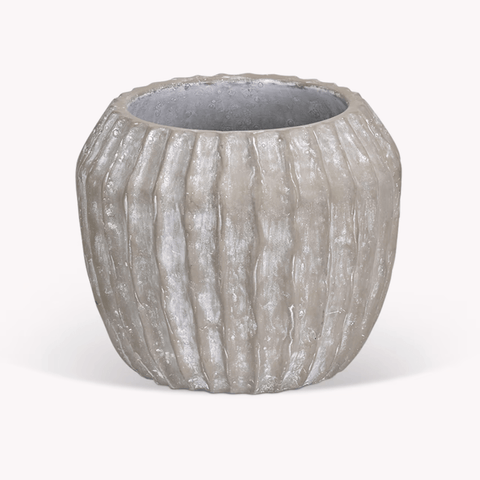
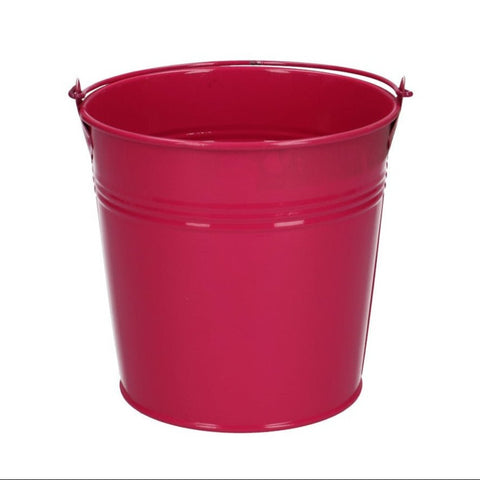
Add a Pot & Care Essentials
Most customers add a pot or soil when purchasing this plant.














Customers praised this plant as "absolutely stunning" and "super easy to care for." Reviews highlight excellent packaging, timely delivery, and healthy condition upon arrival. One shopper noted some leaf loss during winter transport and potential overwatering issues. Overall, customers appreciate the value and quality.
Perfect plants
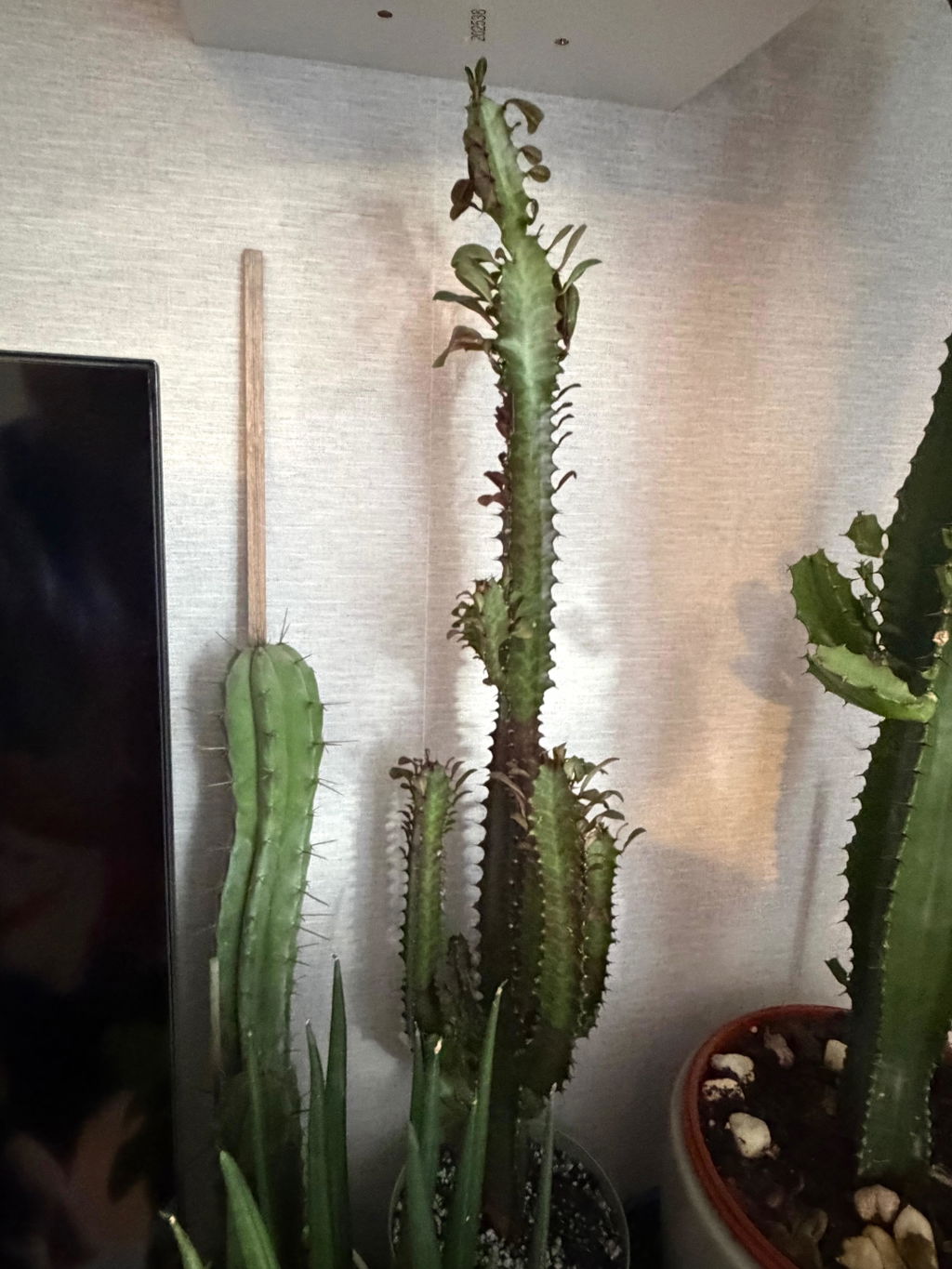
Absolutely stunning and super easy to care for!
Arrived on time well packed and in very good condition, customer service was excellent and kept me informed of the progress of my order, and even contacted me afterwards to ensure everything was in order!
Lovely healthy plant
Sprouts Bristol is a lovely little shop with all sorts of things to look at and kind staff, and I've got my red African milk tree sitting on the window enjoying the sunlight!
Some of the 'petal fronds' got lost in transport - which is as it is and I don't blame the company for. But otherwise, a beautiful plant. Sent without a heat pack in winter (didn't purchase one). Instructions attached to pots are very helpful! Unfortunately it suggested to water when completely dry and I'm suspecting it might like to be completely dry for a little more inbetween as one of the two erections (i don't know the name for them) unfortunately rotted by the plant, so now i only have one. But I probably have as many misses as hits with keeping plants happy in the winter, for some reason. I can't blame them. I don't much love the winter either! Here's hoping that one lasts and it grows OK! I do love the plant.
I’m so pleased with my plant.It’s in perfect condition and arrived so well packaged.Excellent value as they always are from this company.
Arrived perfectly packaged and in a lovely condition
Item was well packaged and arrived quickly. Will buy from this shop again
This plant arrived in excellent condition, cannot fault Sprouts of Bristol they take excellent care of the packing, will definitely be buying from them again
As described arrived on time