The Jelly Bean Plant, a hybrid species of Sedum, looks exactly as it sounds - tiny trails of succulent, jelly-bean-shaped leaves. It grows vertically until the stems get too heavy, at which point they'll grow slightly more sideways, spreading their jelly-bean-y goodness. These jelly beans look like a mix of flavours, though, as they are a bright lime green towards the stem and a strawberry red towards the tips. Inspiration for a new flavour of sweetie? Despite appearances, this one is definitely not edible, so to take care of it, make sure it's getting plenty of light, including a good few hours of direct sun, and let the soil dry between waters - and don't eat it... or tell any children that jelly beans grow on trees.
Scientific Name
Sedum x rubrotinctum (sitting plant, hybrid with red-dyed leaves)
Synonyms: S. pachyphyllum × S. stahlii (hybrid formula)
This plant is a hybrid between the species Sedum pachyphyllum and Sedum stahlii, bred in cultivation
Common Name
Jelly Bean Plant, Pink Jelly Beans, Pork and Beans Sedum
Origin
This hybrid was bred in cultivation, but the parent plants are both native to Southwest Mexico; S. stahlii has a slightly larger range, including the Gulf region of Mexico.
Light
Bright light will help to keep the jelly beans rose-tinted. A few hours of direct sun will help keep them looking flash, and growing well too.
Water
Let the soil totally dry between waters; when it's thirsty, you;'ll be able to see the leaves starting to wrinkle.
Humidity
Avoid anywhere excessively damp; these plants are adapted to arid environments.
Soil
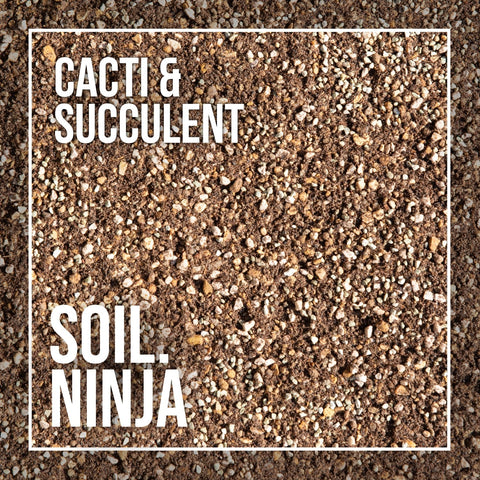
A well-draining soil is needed. Look out for specific cactus / succulent soils, which usually have plenty of sand and grit, for best results. Repot every few years as the plant grows.
Food
Feed lightly in spring and summer with a diluted cactus fertiliser every couple of months; feeding isn't necessary over autumn and winter.
Temperature
Prefers warm temperatures between 15-27°C. This species needs protection from frost; temperatures below 5°C can damage it.
Pet-safe
No; this sedum is mildly toxic, and can cause mild symptoms like vomiting and diarrhoea.
Sprouts Top Tips
Take care when moving this plants, as the leaves fall off quite easily. They are easy to propagate into new plants if they do fall, though, so don't despair!