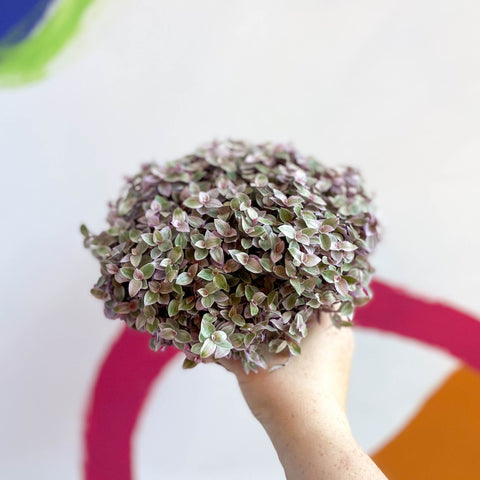
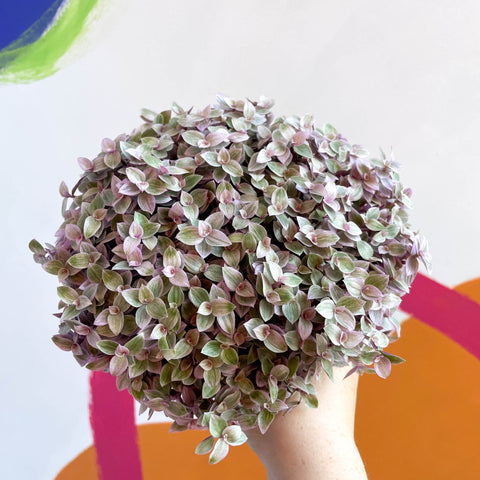
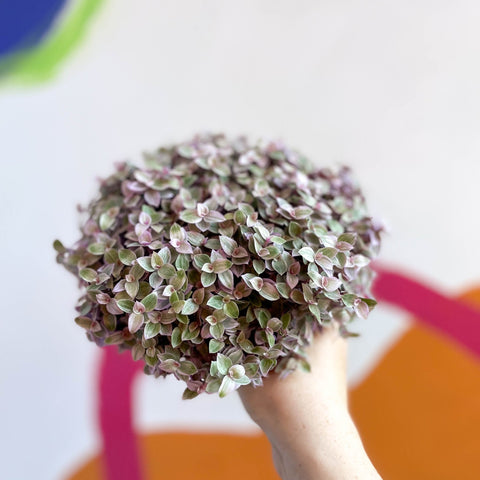
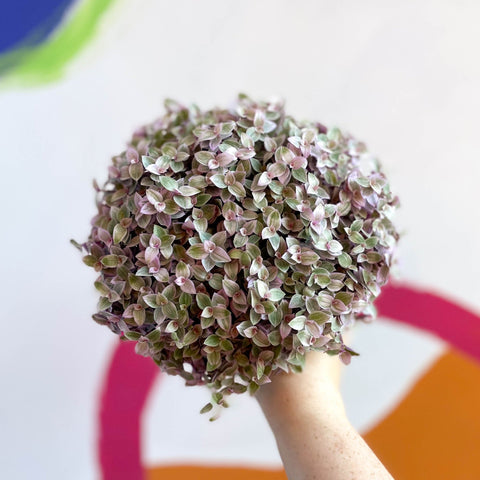
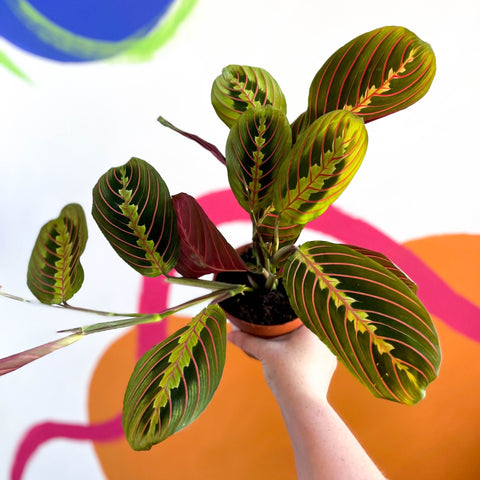
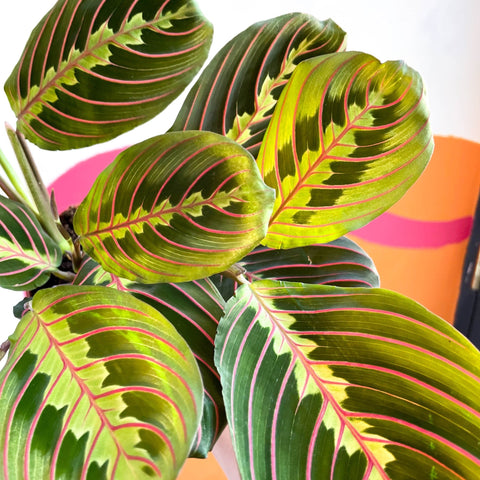
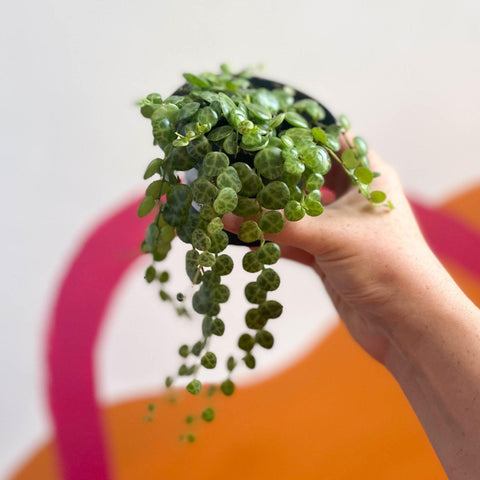
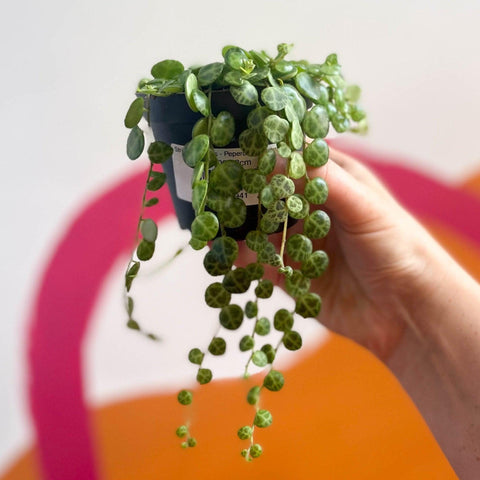
The Pink Lady variety of Callisia rosata is a stunning houseplant celebrated for its eye-catching pink and green variegated leaves. With a charming trailing habit, this variety adds a vibrant touch to any space, making it perfect for hanging baskets or elevated displays where its foliage can cascade beautifully.
Scientific Name
Callisia rosata ‘Pink Lady’ (Latin: Callisia - from the Greek word “kallos,” meaning “beauty,” and rosata - meaning “rosy” or “pink”).
The Pink Lady cultivar is a delightful example of the diverse beauty within the Callisia genus. The species was first described by the botanist Karl Sigismund Kunth in 1830, and the Pink Lady variety showcases the charming pink tones that have made Callisia rosata popular among plant lovers. This cultivar is particularly favoured for its striking appearance and easy care, making it a perfect choice for both novice and experienced gardeners.
Common Names
Rosy Wonder, Turtle Vine, Creeping Inch Plant, Callisia
Origin
Native to Central and South America, particularly in tropical regions.
Light
Prefers bright, indirect light for optimal growth. It can tolerate lower light conditions, but growth may slow, and the vibrant colours may fade. Avoid direct sunlight, as it can scorch the leaves.
Water
Keep the soil evenly moist but not soggy. Allow the top inch of soil to dry out between waterings. Be cautious in winter when the plant’s growth slows, and reduce watering accordingly.
Humidity
Enjoys higher humidity levels, so consider misting regularly or placing it near a humidifier, especially during dry winter months.
Soil
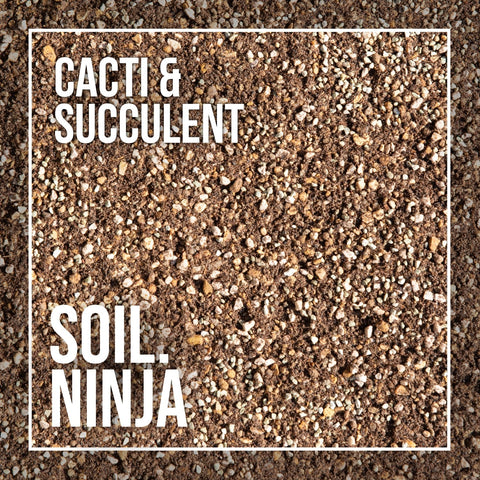
Use a well-draining potting mix, ideally one designed for houseplants. A blend that retains some moisture while allowing excess water to escape is best. Repot every 1–2 years to refresh the soil and accommodate growth.
Food
Feed once a month during the growing season (spring through early autumn) with a balanced, water-soluble fertiliser. Reduce feeding in winter when the plant is not actively growing.
Temperature
Thrives in temperatures between 18–24°C. Protect it from temperatures below 10°C and avoid cold drafts.
Pet Safety
Considered non-toxic to pets, making it a safe choice for households with animals.
Sprouts Top Tips
If the leaves begin to lose their vibrant colour, it may be an indication that the plant needs more light. Conversely, yellowing leaves can signal overwatering, so adjust your watering schedule accordingly. To encourage fuller growth, pinch back the tips of the stems to promote branching.