Scientific Name
Citrus × microcarpa (citrus plant, hybrid with small fruit plant) 'Variegata'
Common Name
Calamansi, Calamondin, Philippine Lime, Philippine Lemon, Calamasi, Citrus mitis
Origin
This is a hybrid originating in the Philippines.
Description
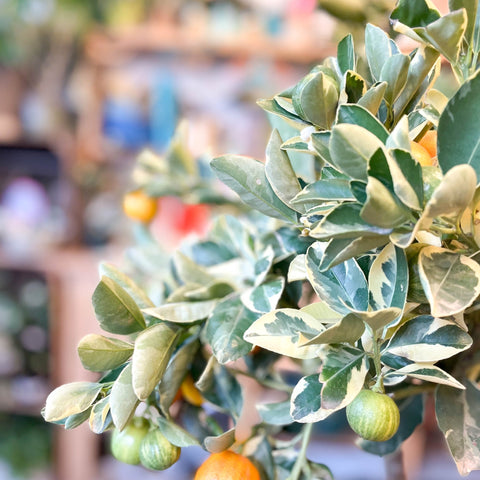
This citrus is a hybrid between a mandarin orange and a kumquat, with edible fruit, scented flowers and beautiful variegated leaves and stripes on the fruit. One of the most forgiving citrus trees when grown indoors, the Calamondin will appreciate bright light, constant humidity and not too frequent watering. Keep an eye on the light level and this plant will reward you with stunning variegation on both leaves and fruit, scented flowers and edible fruit- what's not to love!
Light
Choose the brightest spot in your house that offers a few hours of off-peak sun; more light means a higher likelihood of flowers and, subsequently, fruit! If you notice your plant losing variegation, it may not be getting enough light.
Water
Ensure the top half of the soil dries out between waters- be especially careful in a less bright spot.
Humidity
This plant will appreciate a stable level of humidity, so a humidity tray would be a great way of giving it the moisture it needs.
Soil
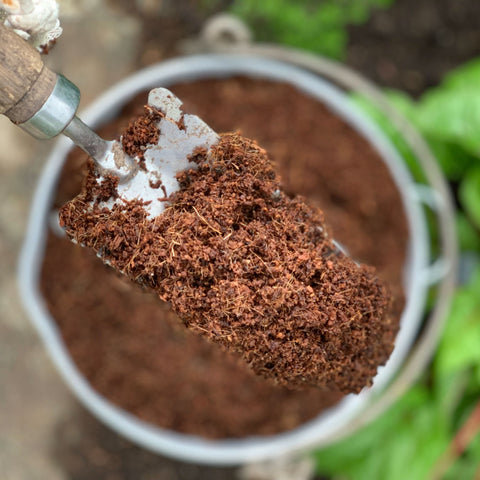
Use a well-draining mix; added coir, bark or perlite will be helpful here. A mix designed for ficus plants is ideal! Repot every couple of years in mid-spring as the plant grows.
Food
Feed every four waters in the growing season, reduce to every six in autumn and winter. A specific citrus feed, with plenty of nitrogen and potassium, will help your plant best to grow.
Temperature
Ideal temperature is 15-24°C; make sure it does not get colder than 8°C in winter.
Pet-safe
No, the foliage of this plant is toxic to pets and small humans; the fruit is edible but can be overpowering if underripe!
Sprouts Top Tips
You can make flowers and fruit more likely by facilitating a winter dormancy period. Water less, decrease the temperature by around 5°C (though not lower than 8°C) and feed less. Following this, increase water, and make sure it gets plenty of light and warmth.