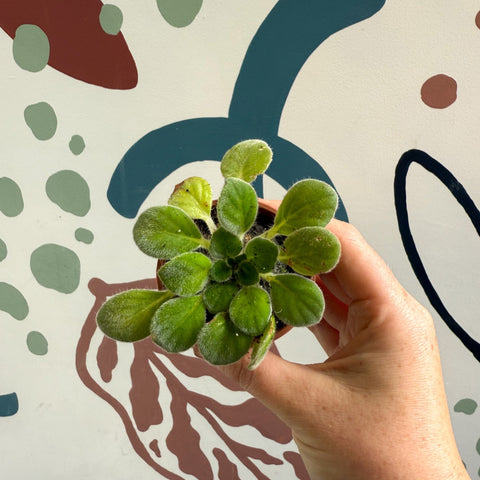
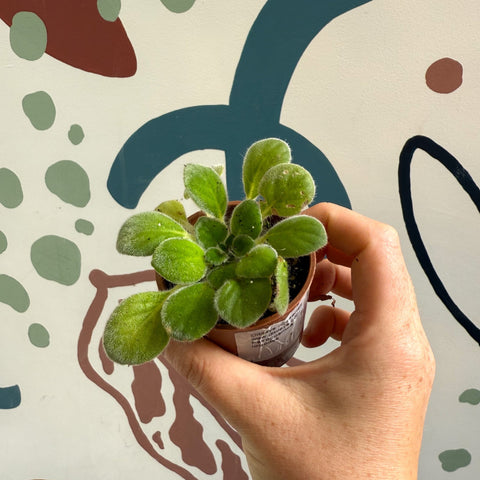
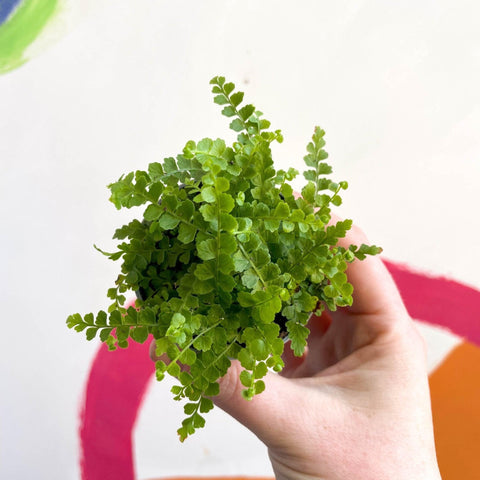
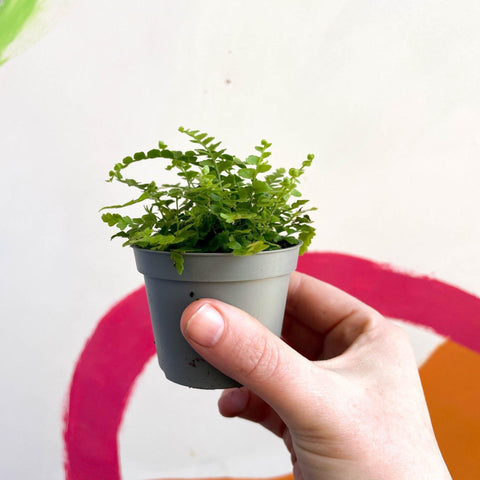
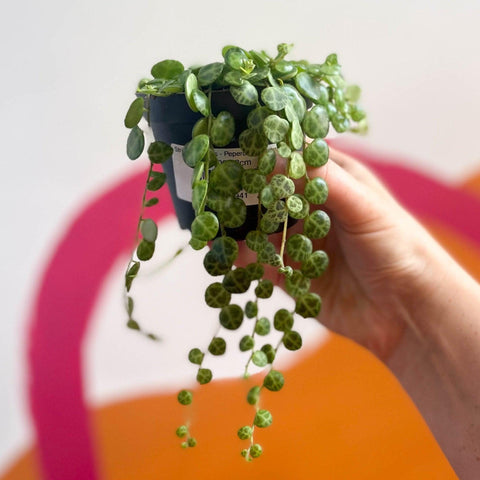
Velvety, spiralling foliage in this plant grows more compact and intricate as the plant ages. Happy plants may also give you a display of pale violet flowers, whose delicate texture contrasts nicely with the velvety foliage. This plant thrives best in high-humidity environments, so copes well in terrarium environments, where the humidity and moisture are ideal. Outside of a terrarium, make sure it gets plenty of water and isn't anywhere too dry - and you just might have some success too.
Scientific Name
Petrocosmea iodioides (beauty of the rock, violet-like species)
This plant was first classified in 1899
Common Name
Whirlpool Plant, Violet Petrocosmea, Violet Whirlpool Plant
Origin
This plant is native to Southeastern China, in the provinces of Yunnan and Guangxi.
Light
Keep in bright light out of direct sun; too much sun will scorch it, while too little stunts growth, so it's important to find the right balance.
Water
Your Whirlpool will do best with its soil consistently moist, so make sure not to let the whole lot dry between waters. It's probably easiest to bottom-water this one, popping it in a tray of water and allowing it to soak it up, to avoid getting the crown of the leaves too wert and risking rot.
Humidity
Above-average humidity is best here, as your Whirlpool Plant will thrive best between 60-80% humidity. A pebble tray will be helpful for keeping it happy and stably humid, or it will also grow well in a larger terrarium setup.
Soil
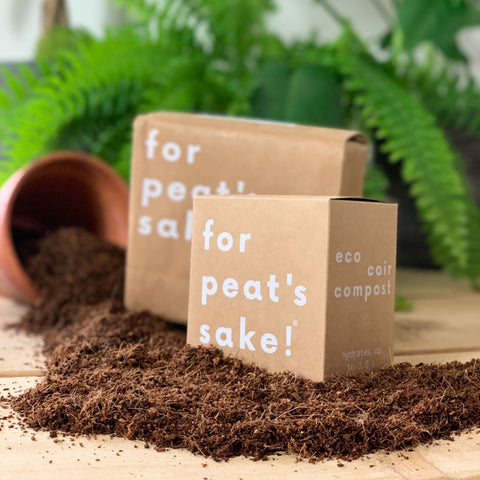
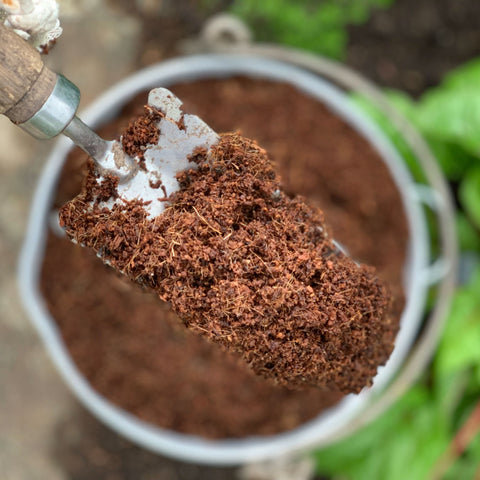
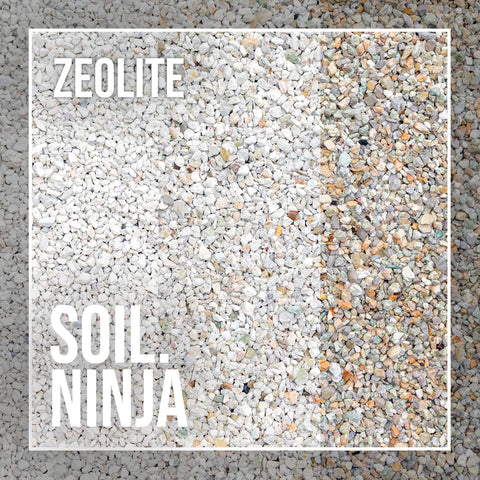
Use a mix that drains well whilst retaining plenty of moisture. A mix of elements like coir and perlite to balance these two attributes should work well here. Repot in spring, every few years once the roots have outgrown each pot.
Food
Don't overdo the fertiliser for this slow grower; just a little feed every six weeks or so will do. If you're struggling to get flowers, a feed higher in potassium can be helpful to encourage blooms.
Temperature
Temperatures between 7-15°C are perfectly fine for your Whirlpool plant. A bit warmer in summer is fine, just make sure it isn't drying out too much.
Pet-safe
Yes - non-toxic, so it is safe for your furry friends, though still not advisable to be chomped in large quantities.
Sprouts Top Tips
Let the temperature drop overnight and use potassium-rich fertiliser to encourage blooms if they're being stubborn to appear. A high-humidity environment will also help here, so consider changing that if your home is on the drier side.
Want to encourage flowering?
This species blooms in late spring or early summer when given steady, indirect light and a slight drop in night temperature (ideally 12–15°C). Use a gentle high-phosphorus fertiliser in early spring to support flower formation.