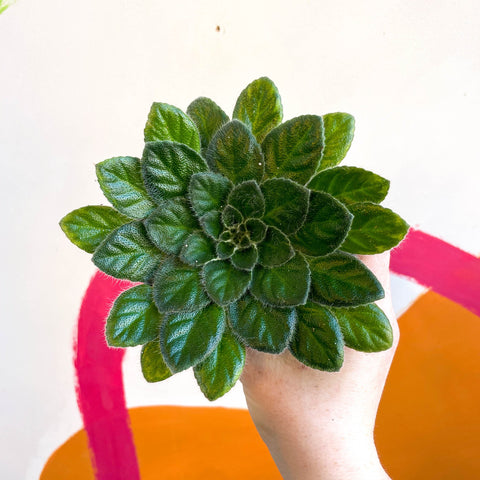
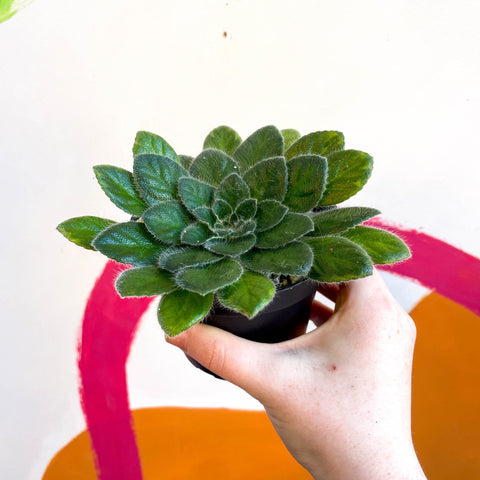
This plant's spiralling leaves are referenced in its common name, Whirlpool Plant. Here, though, there are mid-green, fluffy-textured leaves rather than rushing water. New leaves grow from the centre of the spiral, and as it grows your whirlpool plant will spread outwards. Happy whirlpool plants will bloom, their flower stems sprouting from between the layers of textured leaves, with lilac-coloured, bell-shaped flowers which perfectly contrast the vibrant foliage colour. Keep it happy and you can enjoy both foliage and flowers to your heart's content.
Scientific Name
Petrocosmea ‘Yuki No Sei’ (beauty of the rock, hybrid species, cultivar: snow spirit)
Synonyms: Vaniotia (Genus synonym)
This Genus was first described in 1887.
Common Name
Whirlpool Plant, Yuki No Sei Whirlpool Plant, Miniature Petrocosmea
Origin
This Genus is native to east Asia, ranging from the east Himalayas to China, Laos, Myanmar, Thailand and Vietnam
Light
Keep in bright light out of direct sun; too much sun will scorch it, while too little stunts growth, so it's important to find the right balance.
Water
Your Whirlpool will do best with its soil consistently moist, so make sure not to let the whole lot dry between waters. It's probably easiest to bottom-water this one, popping it in a tray of water and allowing it to soak it up, to avoid getting the crown of the leaves too wert and risking rot.
Humidity
Above-average humidity is best here, as your Whirlpool Plant will thrive best between 60-80% humidity. A pebble tray will be helpful for keeping it happy and stably humid, or it will also grow well in a larger terrarium setup.
Soil
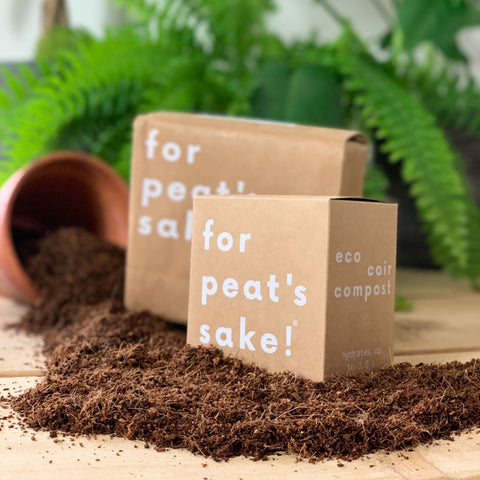
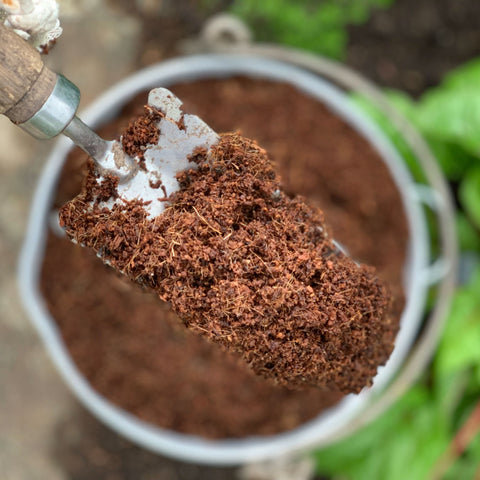
Use a mix that drains well whilst retaining plenty of moisture. A mix of elements like coir and perlite to balance these two attributes should work well here. Repot in spring, every few years once the roots have outgrown each pot.
Food
Your whirlpool is fairly slow-growing, so doesn't need too much food. It will benefit from a dilute feed every six weeks or so, and if you are struggling to get it to flower, use a fertiliser with a higher potassium content to encourage blooming.
Temperature
7-15°C temperatures are perfect for this houseplant; it will do fine at warmer temperatures but be careful not to let it dry out too quickly in this warmer environment.
Pet-safe
Yes, this plant is non-toxic. Just make sure your pet isn't eating large quantities which won't do them any favours.
Sprouts Top Tips
An overnight temperature drop can be helpful to get your Whirlpool plant to flower if you're struggling in the bloom department.
Want to encourage it to flower?
Petrocosmea produce small, violet-like blooms from the centre of the rosette when happy. To encourage flowering, provide bright but indirect light, stable humidity, and keep the plant slightly cooler at night (around 12–15°C if possible). A gentle, high-phosphorus fertiliser in early spring can also help trigger blooming.