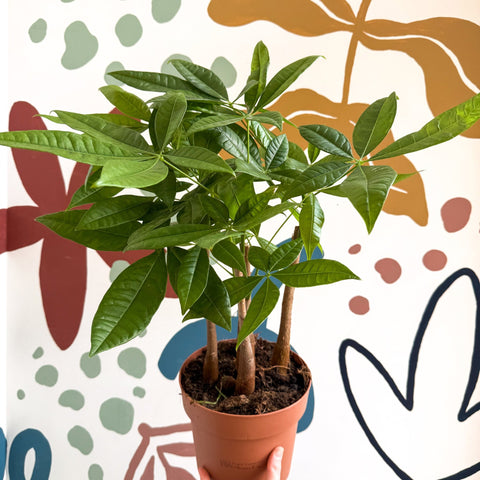
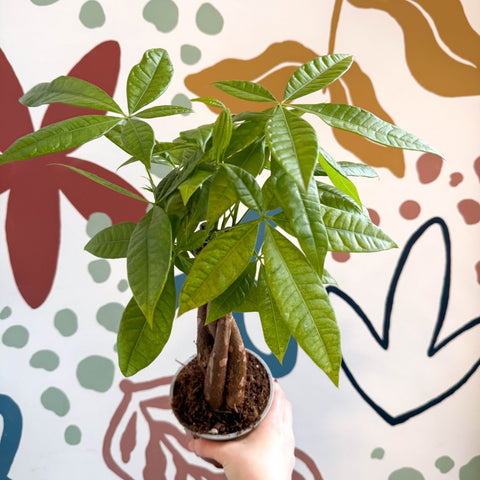
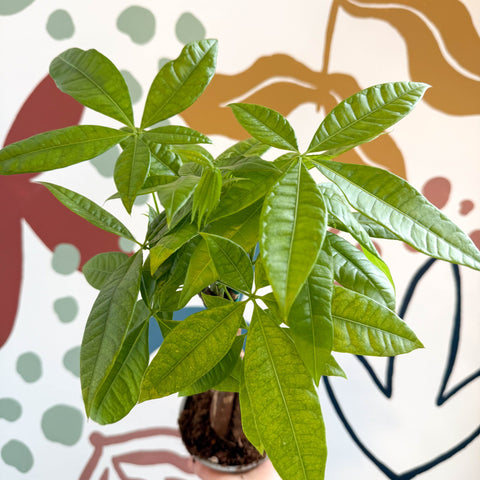
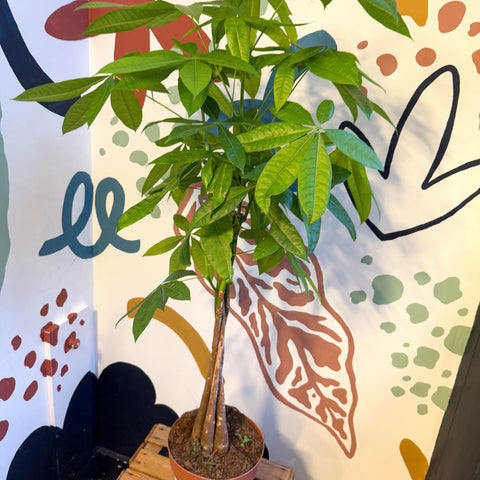
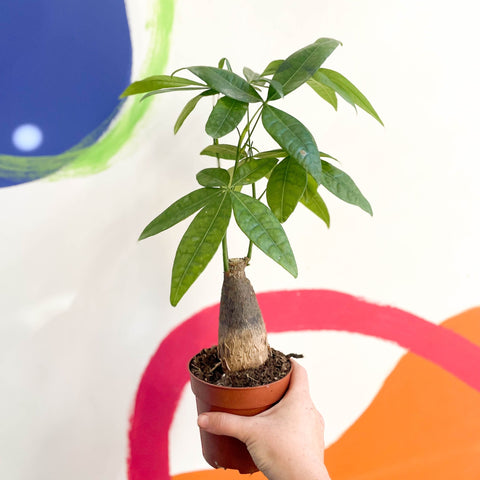
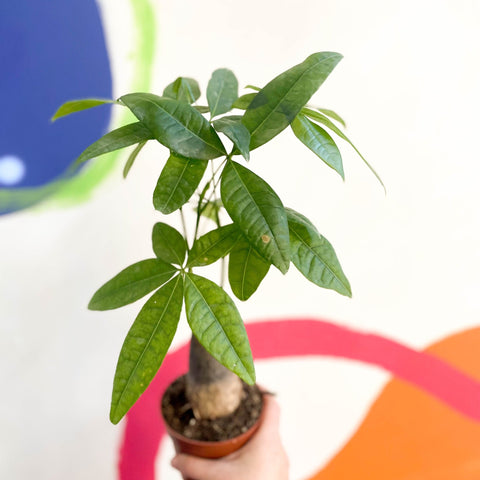
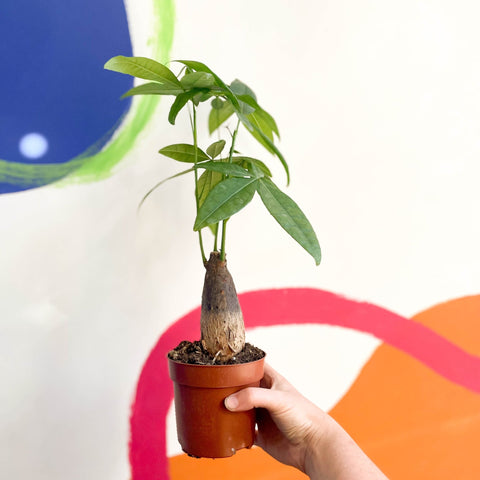
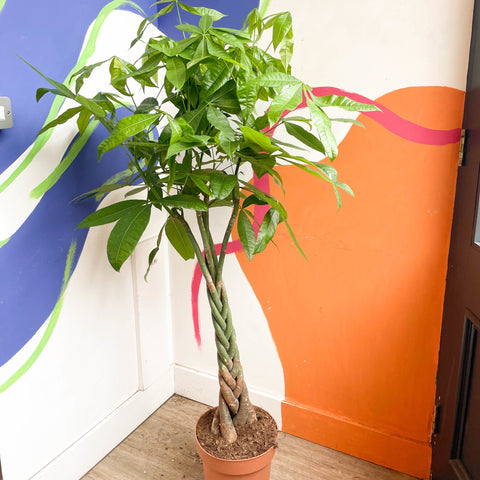
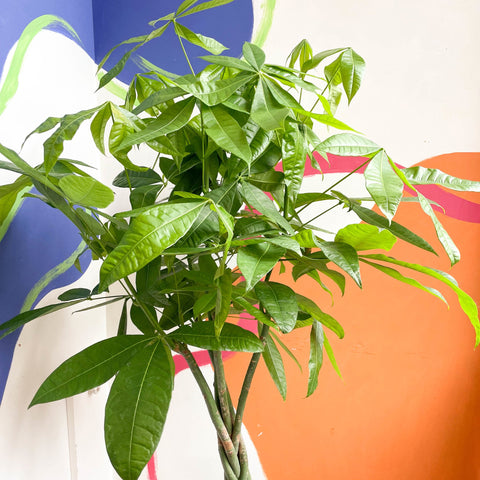
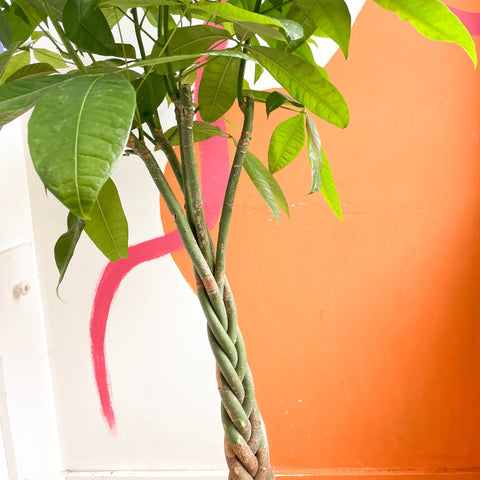
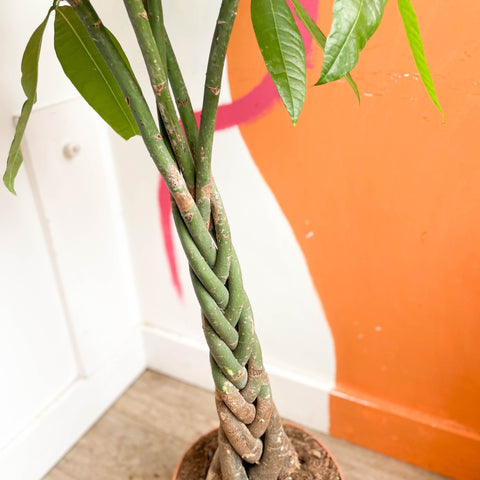
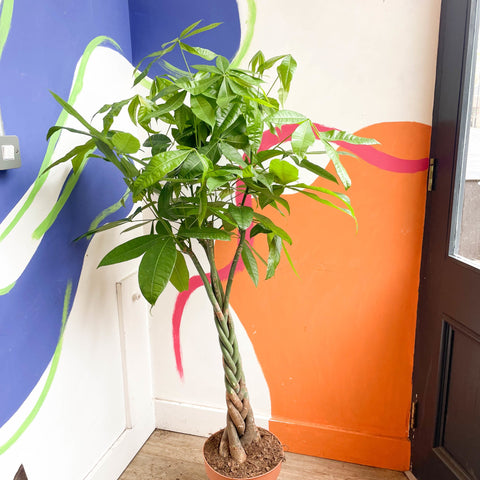
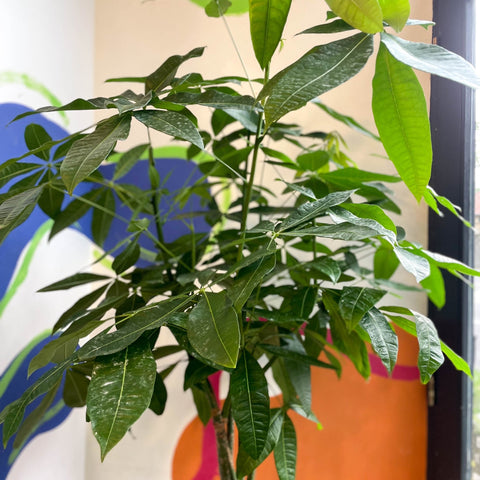
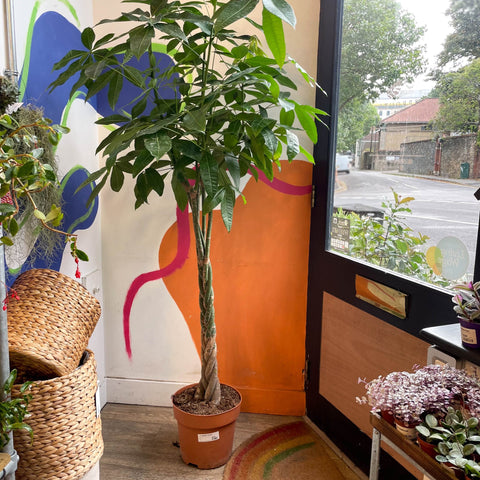
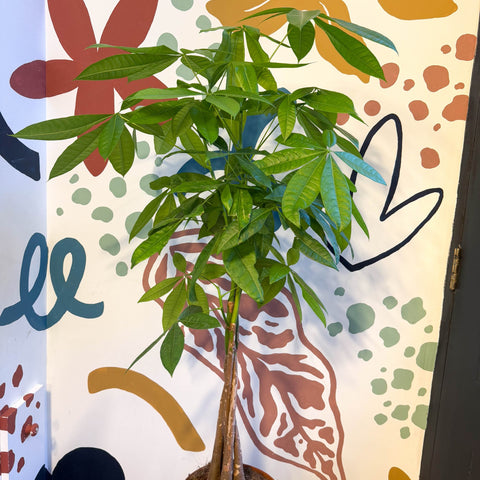
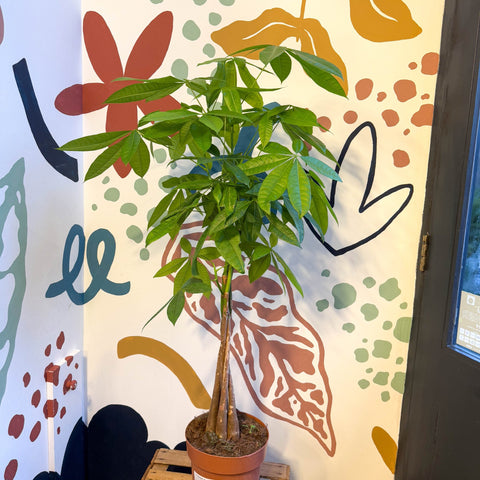
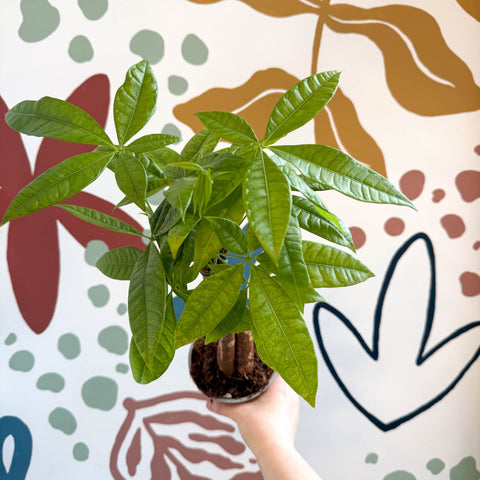
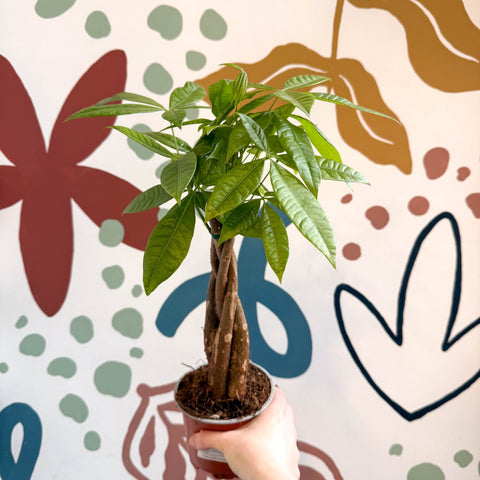
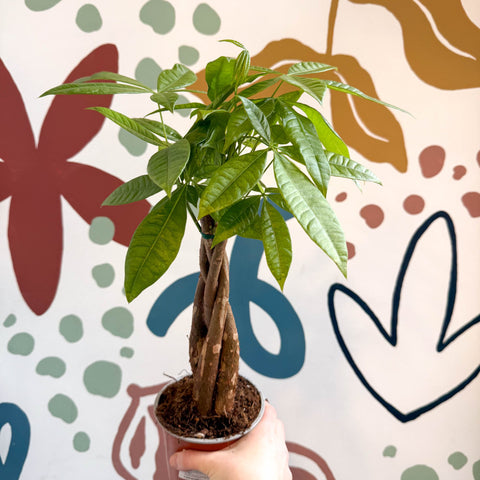
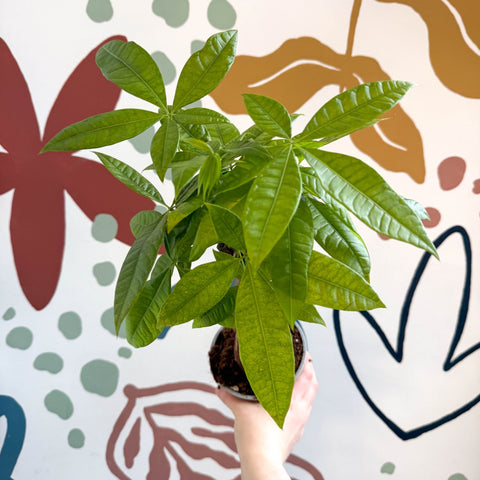
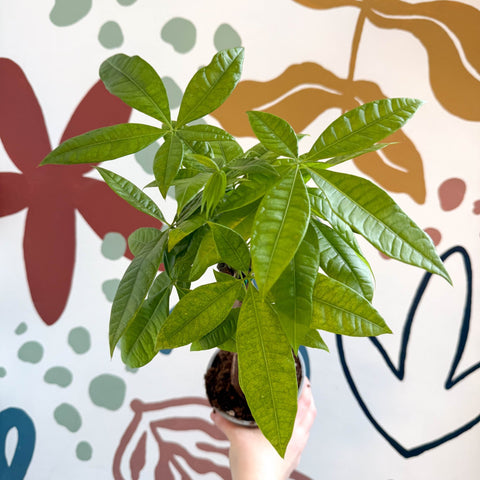
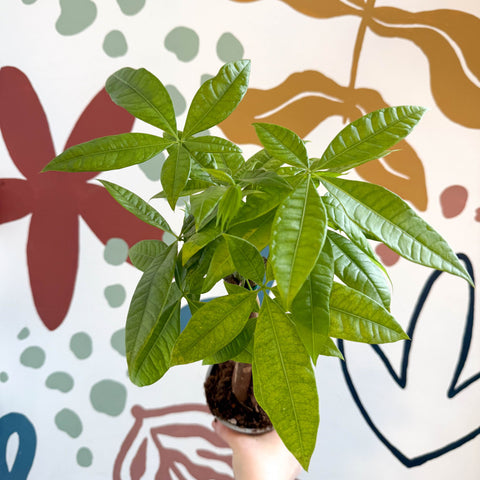
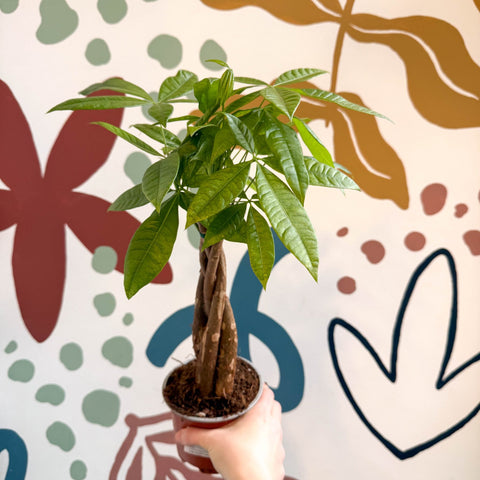
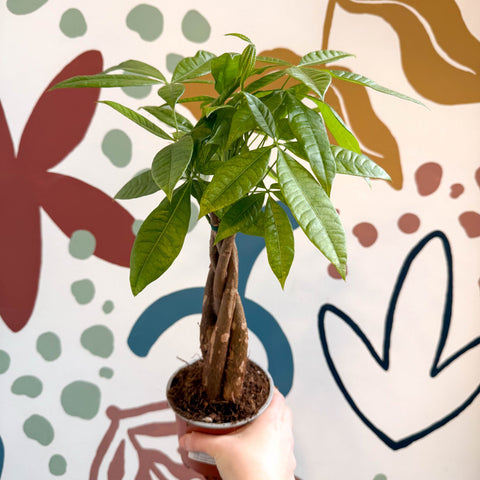
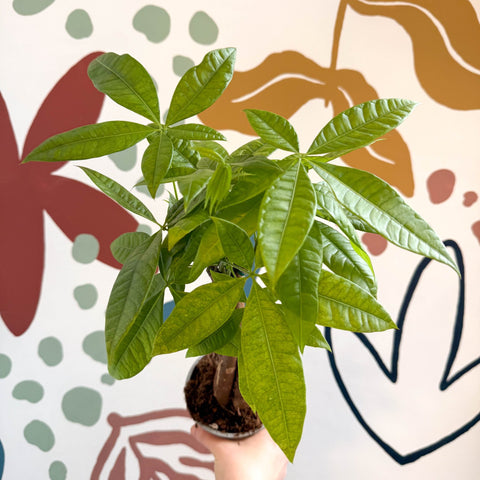
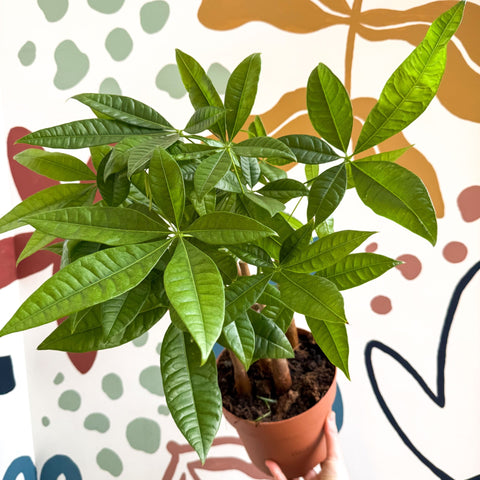
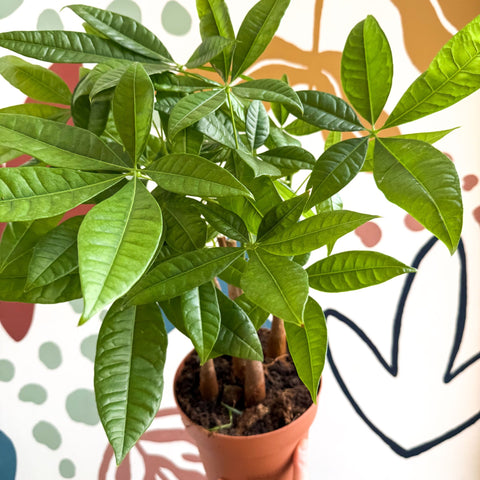
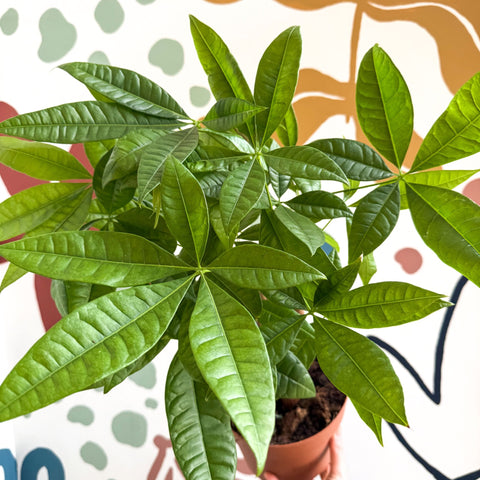
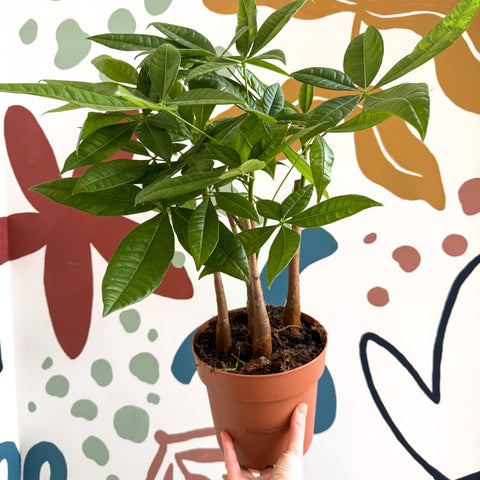
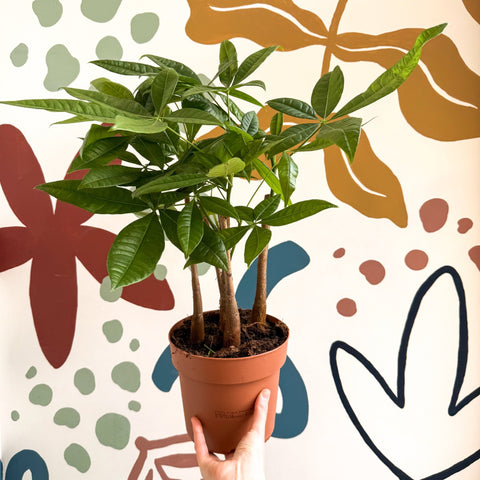
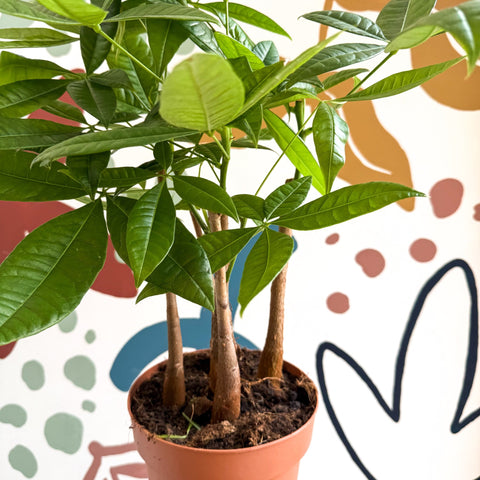
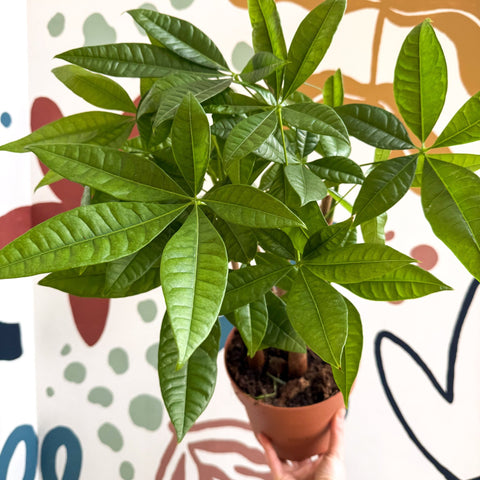
As a houseplant, the Guiana Chestnut often starts small but can reach heights a couple of metres tall. More mature plants often have elaborate training of their trunks, with braided or twisted-together stems, adding to the appeal of the plant by making a decorative feature out of even the wooded trunk. Its leaves are long, ovate and pointed with a textured mid-green colour, and grow in groups, so that the tree almost looks like it is reaching upwards with so many leafy hands. In the smallest size, you are getting a tiny tree; the largest pot size will truly give you a statement plant for your home. Whether you are after an ornament or a full-grown tree, this plant can fill both niches - and if you want to keep it small, you might need to look into bonsai keeping.
Scientific Name
Pachira aquatica (sweet water nut plant, watery species)
Originally classified in the genus Bombacopsis, it was later reclassified to the genus Pachira. The name Pachira is derived from a local term in South America, and it was first described by the French botanist Jacques André F. C. de Candolle in the early 19th century.
Common Name
Water Chestnut, Guiana Chestnut, Malabar Chestnut, Money Tree, Provision Tree
Origin
Native to the wetlands of Central and South America, particularly found in countries like Brazil, Guyana, and Venezuela.
Light
Your Guiana Chestnut will do best in bright, indirect light. A north-facing window, or within a few feet or an east- or west-facing window, should provide a good amount of light.
Water
Let the top third of the soil dry between waters. Curling or wrinkling leaves are a sign that it isn't getting enough water, while if the soil is left soggy for too long the plant will start to rot.
Humidity
Used to swamp environments, the Guiana Chestnut will do best in above-average humidity. If you notice its leaves going brown and crispy at the edges, your plant will benefit from the introduction of a humidity tray.
Soil
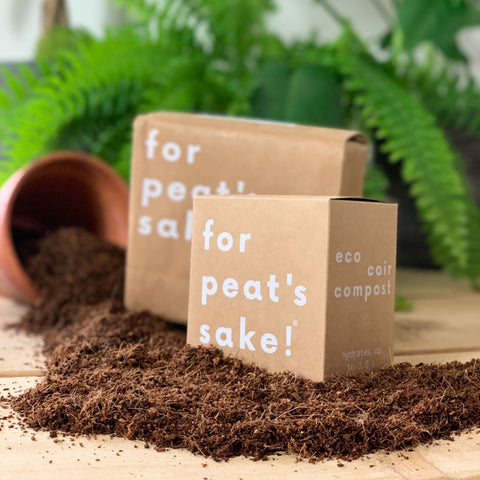
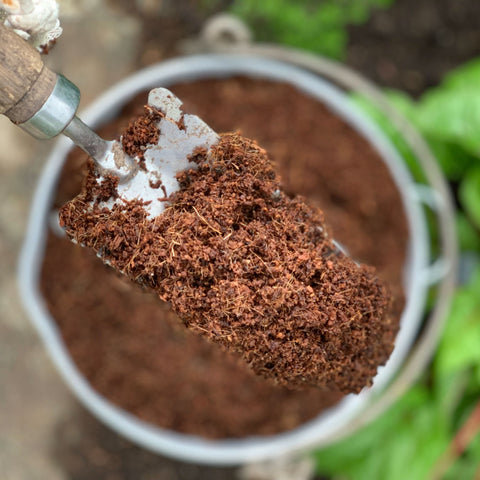
Use a moisture-retentive, well-draining mix. A range of substrates including coir, bark, perlite and sand should be incorporated to get the best out of this plant; a mix designed for Ficus plants should work well. Repot every couple of years as the plant grows.
Food
Feed every four waters in the growing season, reduce to every six in autumn and winter.
Temperature
Temperature should ideally be between 15-24°C- make sure it doesn't drop below 12°C in winter.
Pet-safe
Yes, but too much nibbling won't be good for pets, small humans or the plant!
Sprouts Top Tips
You can pinch back or prune your Guiana Chestnut to keep it tidy and grow it in a certain shape. With the smaller sizes we stock, it is possible to train them as bonsais with careful pruning of the branches and roots, so if you'd like to keep your plant small, this is the way to go. When it's larger, this unusual houseplant is sturdy, so just make sure you don't overwater it; remember, it will take longer for a larger amount of soil to dry out!