This distinctive, low-maintenance succulent is a great addition to any bright windowsill. Its leaves grow directly from the soil, each one creating a tall, angled curl of pudgy succulent leaf. The slightly speckled appearance also hints at how it got its common name - this patterning does make it look like each leaf is made of some kind of stone. And while this plant is almost as easy to look after as a pot of pebbles, it will need some water every once in a while - and some sun! Love this plant's unique leaf shape and it will repay your borderline neglect with flourishing growth and happy foliage.
Scientific Name
Aloinopsis schooneesii (Schoones' plant that looks like nail-heads)
Synonyms
Nananthus schooneesii
This plant has been classified under its current name since it was first described in 1931.
Common Name(s)
Schoones’ Aloinopsis, Living Stone
Origin
Native to the rocky areas in the Cape Provinces of South Africa.
Light
Ensure your plant gets a couple of hours of sun per day. If it is too harsh it can scorch, so aim to get it morning or evening sun, perhaps in an east- or west-facing window.
Water
Allow the soil to dry out completely between waterings. You may not need to water at all in winter, while the plant is not actively growing. Give it a good drench once you notice the leaves looking wrinkled, which is a sign that it is getting thirsty.
Humidity
Thrives in low humidity levels typical of arid environments. Avoid damp conditions.
Soil
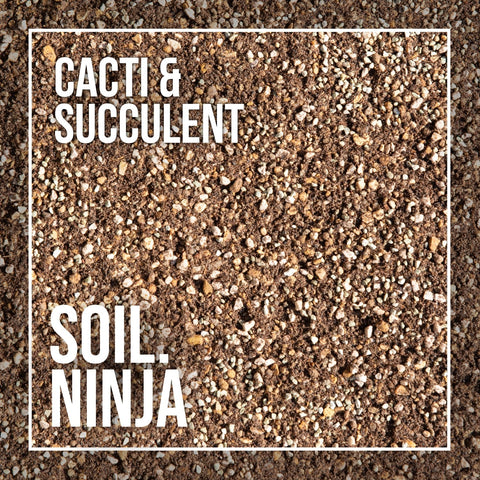
Use a well-draining soil mix with elements such as sand and grit, such as one designed for cacti and succulents. Ensure that the pot has drainage holes. Repot every few years as the plant grows when necessary; once the roots have totally crowded out the pot, it's time to go up a size.
Food
Feed every four to six weeks during the growing season with a diluted, balanced fertiliser. No feeding during winter months.
Temperature
Enjoys warm temperatures between 18-30°C. Protect from temperatures below 10°C in winter.
Pet-Safe
Yes, it's non-toxic to pets, making it a safe choice for households with furry friends.
Sprouts Top Tips
Monitor for signs of overwatering, such as yellowing or mushy leaves. Reduce watering frequency if necessary. This plant prefers to be slightly pot-bound, so repot only when necessary, typically every few years.
Extras
Aloinopsis schooneesii can produce lovely yellow or orange flowers when mature.
Did You Know?
This species is known for its strikingly patterned leaves that can vary significantly in appearance, making each plant unique. Its resilience to drought and resemblance to small stones makes it a favourite among succulent enthusiasts.