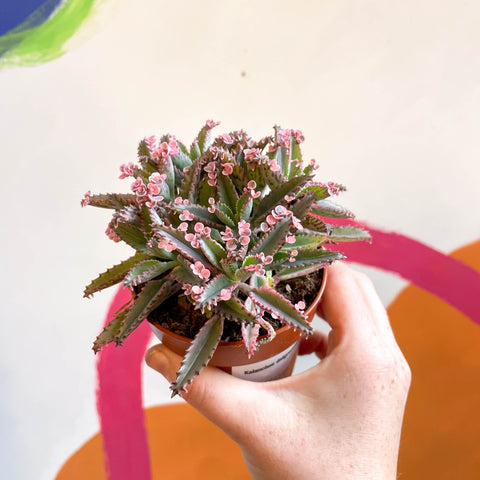
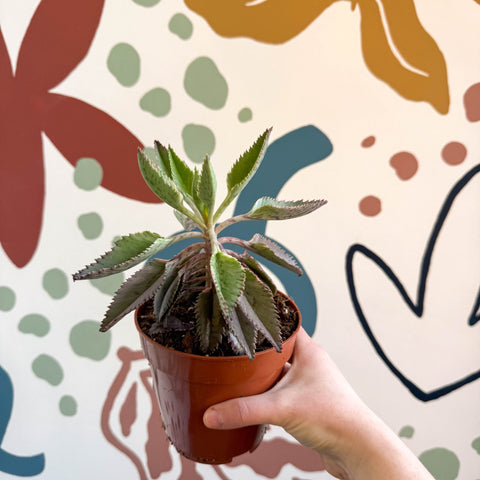
Kalanchoe daigremontiana ‘Pink Butterfly’


Buy with confidence

Everything we do is designed to get your order to you safely and happily.

🌿 Packed with care in Bristol, UK

Loved by thousands of happy Sprouts customers

📦 Royal Mail Tracked delivery

💚 Independent & Real Living Wage Employer

Size
Regular price £9.00
🌿 Backed by our 7-day Plant Promise

If your plant arrives damaged or unhappy, we’ll put it right. Find out more here

Every plant is carefully packed by our small, plant-loving Bristol team using protective, mostly plastic-free packaging.

Occasionally, you may find reused bubble wrap – this has been donated to us, and we encourage you to reuse it too.

Orders are usually packed and dispatched within 2–4 working days. We may occasionally delay dispatch during periods of extreme weather to protect your plants. We always prioritise plant health over speed of delivery.


Delivery is £4.99 for any number of items, or free on orders over £60. We deliver across the UK only.

We also offer local, bike-powered delivery in Bristol for £4.99 via Pedal Collective, a gentler option for plants and the planet.

We believe in paying people fairly, that’s why we’ve been a Real Living Wage Employer from the very beginning. We’re an independent Bristol business, packing every order ourselves.

Supporting us means supporting fair work.

Questions before ordering? Just drop us a message – we’re always happy to help.

Head to our contact page and fill in the contact form and one of the team will be in touch shortly

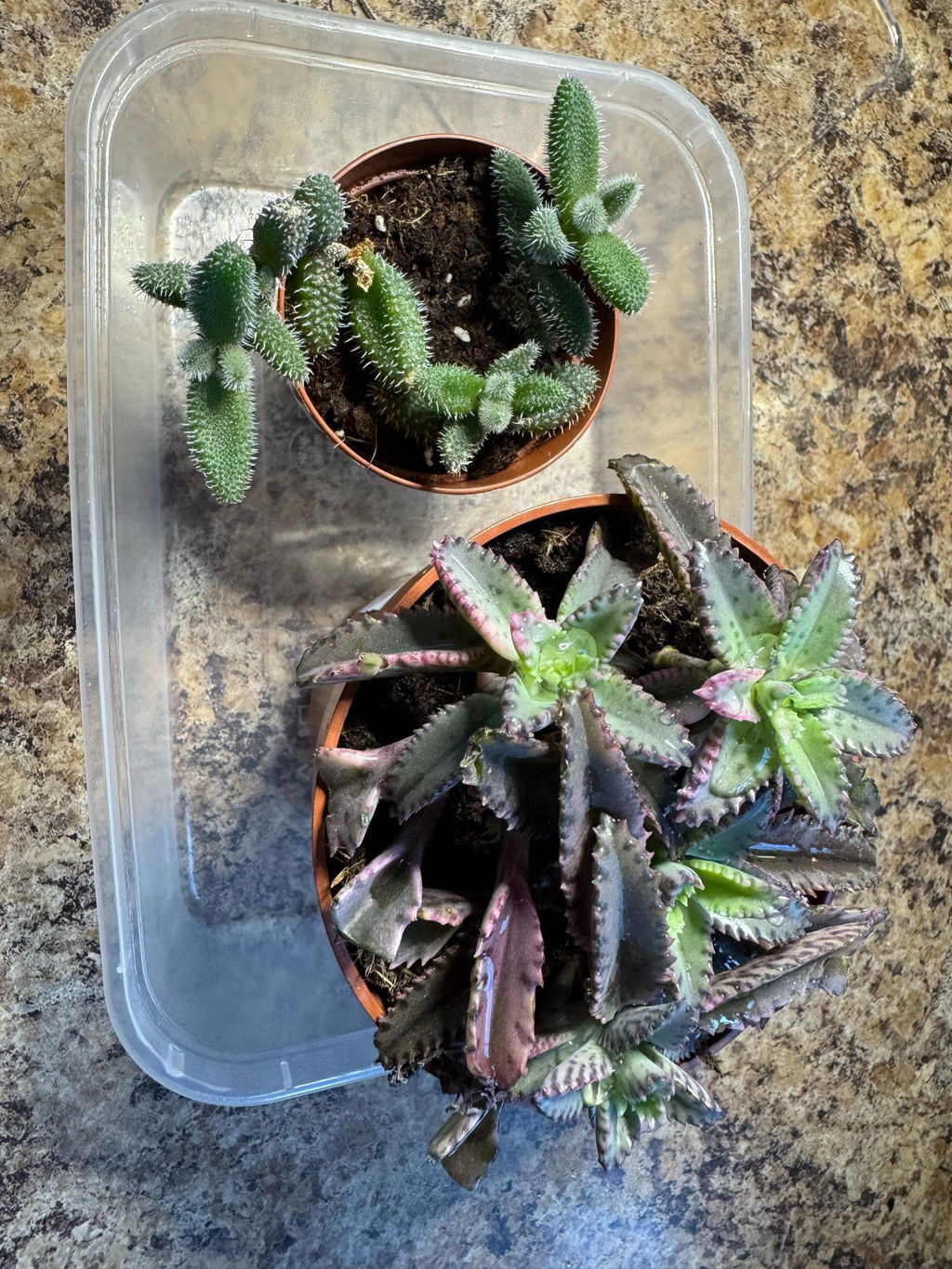
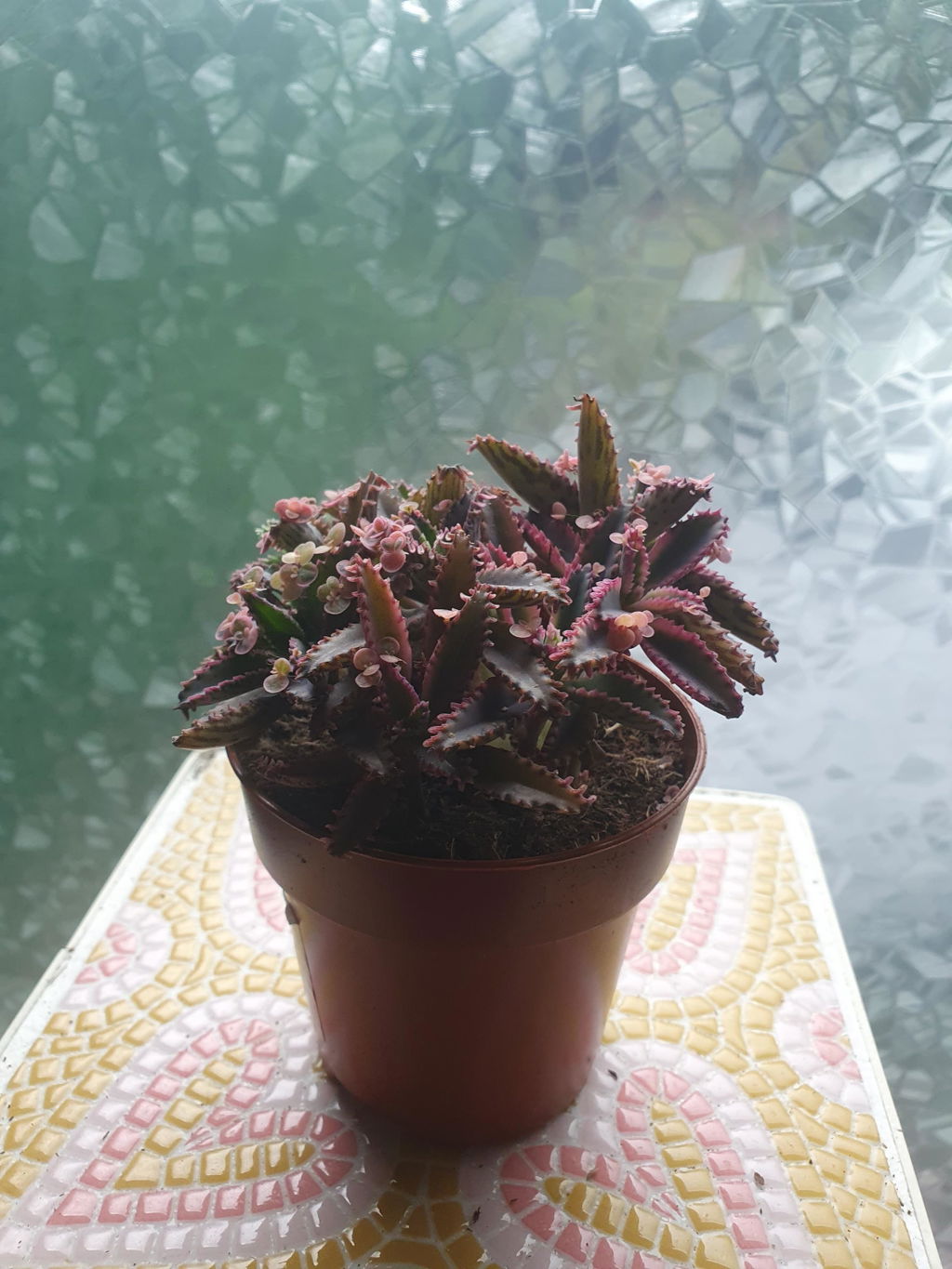
This gorgeous succulent is eyecatching thanks to the bight pink plantlets running along its fronds like petals - or butterfly wings! Like others in its Genus, any part of this plant that falls to the ground can sprout roots and grow a whole new plant, from which it gets its scientific name, derived from Chinese. This variety is a hybrid that's much harder to propagate, however- which makes it useful in parts of the world where its parent plants grow as problematic invasive species. Fortunately there's not much chance of this in the UK, where it gets too cold and soggy in winter. Each frond on this plant grows from a central stem, their deep green deepening further to burgundy on the serrated leaf edges. From these grow the tiny pink plantlets which make this plant stand out so much. Choose this plant for its gorgeous colours, and keep it for its easy going succulent behaviour - safe in the knowledge the plantlets won't take over your garden!

Scientific Name
Kalanchoe delagoensis x daigremontiana ‘Pink Butterfly’ (Delagoe's plant crossed with Daigremont's plant where the parts that fall grow, cultivar: pink butterfly)

This plant is a hybrid between K. delagoensis and K. daigremontianum. Both used to be known as part of the Bryophyllum genus before they were recognised as part of the Kalanchoe genus.

Common Name
Pink Butterflies Kalanchoe, Pink Butterfly, Pink Mother of Thousands

Origin
Native to Madagascar

Light
Thrives in bright, indirect light, and will benefit from a splash of morning or evening sun. It can tolerate a shadier spot a couple of metres from a window but this will result in slower growth. It will benefit from an hour or so of morning of evening sun in winter.

Water
It's much better to under-water than over-water here! Let all of the soil dry out between waters and remember it will need very little, if any, water in winter.

Humidity
These plants are adapted to low humidity so as long as they're not too close to a hot radiator, average household humidity levels will be perfectly fine.

Soil
Use a well-draining mix with components such as sand and grit. A mix designed for cacti and succulents will work well here. Repot every three years in Spring as the plant grows.

Food
Feed once every few months with a fertiliser designed for cacti and succulents

Temperature
Ideal temperature is between 15-25°C; make sure it does not get colder than 12°C in winter.

Pet-safe
No, this plant is toxic to pets and small humans.

Sprouts Top Tips
The colour of the foliage is a good indication of the health of your plant. If you notice the centre getting pale, it is probably not getting enough light; if the centre is soft and the foliage blackened, it is too wet and needs to dry out. Crispy brown edges of the leaves indicate too little water or too much sun.

Did You Know?
This plant contains a toxic steroid known as daigremontianin.


Check out The Sprouts Blog

Sprouts insights to house plants, gardening, our favourite brands and plant hire case studies.
We’re Growing – Welcome to Sprouts HQ! - Sprouts of Bristol
Sprouts of Bristol is expanding with the launch of Sprouts HQ – a new South Bristol premises that will house a dedicated packing space for online orders, an office, studio, and more room for rare and exciting plants. While the Kingsdown shop remains open as usual, the new HQ allows Sprouts to grow behind the scenes and offer even better service both in-store and online. This blog post shares the story behind the move, what customers can expect, and how to keep supporting this independent plant shop through the transition.
Jessy EdgarAugust 15, 2025
Terrarium & Wreath Workshops in Bristol – Autumn & Winter 2025 - Sprouts of Bristol
Join Sprouts of Bristol for terrarium, kokedama, and Christmas wreath workshops this autumn–winter. Creative, plant-filled fun in the heart of Bristol!
Jessy EdgarAugust 5, 2025
Build Your Own Terrarium: A Step-by-Step Guide from Sprouts - Sprouts of Bristol
Fancy creating your own tiny, self-contained world of green? Our DIY terrarium kits are the...
Jessy EdgarJuly 20, 2025