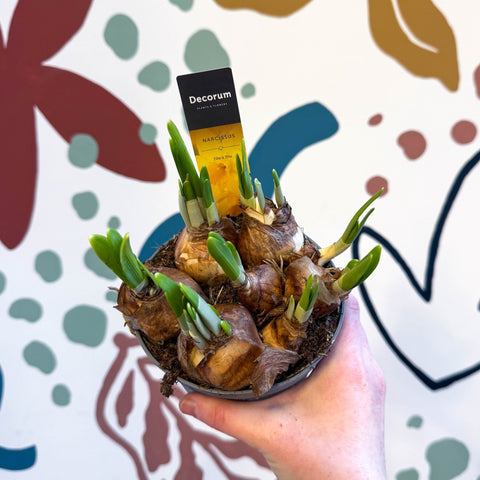
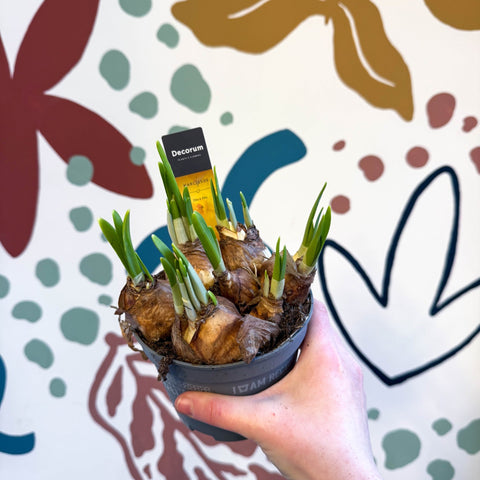
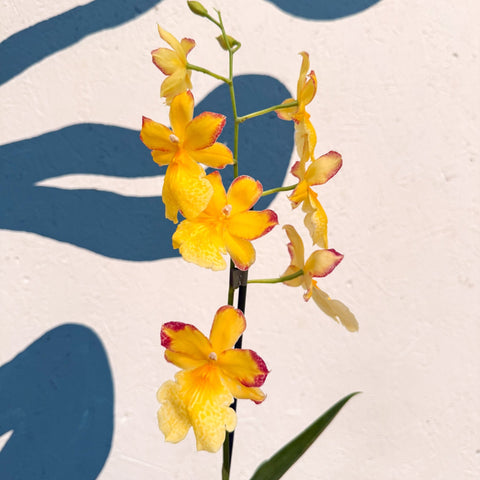
This beloved miniature daffodil produces cheerful yellow flowers on slender stems, creating a delightful burst of spring colour. Hardy down to -10°C, Narcissus ‘Tête-à-Tête’ is perfect for containers, borders, or rockeries. Its compact size and reliable blooms make it a favourite for both gardens and spring displays.
Narcissus ‘Tête-à-Tête’ is one of the most popular dwarf daffodil varieties, known for its vibrant yellow flowers and dependable performance. Blooming early in the spring season, this perennial is a versatile choice for gardens, pots, or even indoor forcing for early spring cheer.
|
Perennial
|
Compact, Dwarf, Bulbous
|
Flowers: Spring
Foliage: Spring to early summer
|
Scientific Name
Narcissus ‘Tête-à-Tête’ (daffodil, variety: Tête-à-Tête)
Common Name
Tête-à-Tête Daffodil, Miniature Daffodil
Origin
Cultivar, derived from hybrid daffodils originating in Europe and Asia.
Pruning Tips
Remove spent flowers after they’ve faded to encourage the plant to focus on building strength for next year. Leave the foliage until it has fully died back to allow the bulbs to store energy.
Wildlife Value
Attracts pollinators like bees in early spring. However, it is not generally known for providing a significant habitat for wildlife.
Positioning
Prefers well-drained soil and a sunny location, although it can tolerate partial shade. It’s perfect for planting in containers, borders, or rock gardens.
Water
Water moderately during the growing season, ensuring the soil is moist but not waterlogged. Reduce watering after flowering to prevent bulb rot.
Soil
Prefers well-draining, slightly acidic to neutral soil. Avoid overly rich soil, as this can lead to weak growth.
Food
Feed with a balanced, slow-release fertiliser at the start of the growing season to support strong blooms.
Pet-safe
Toxic to pets if ingested, so it’s best to plant in areas that are out of reach of animals.
Sprouts Top Tips
Plant in groups or drifts for a dramatic effect, or combine with other early spring flowers in containers for a layered display. Allow foliage to die back completely to ensure strong bulbs and consistent blooms in future seasons.