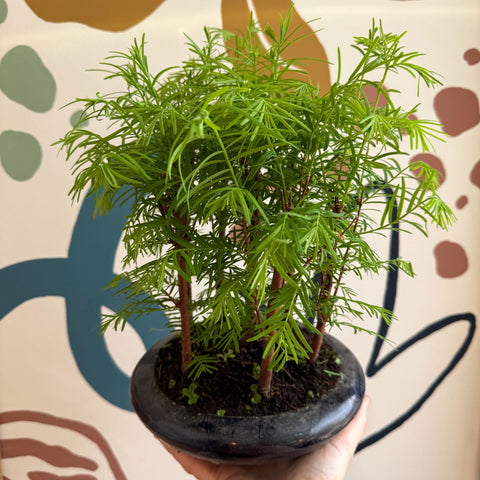
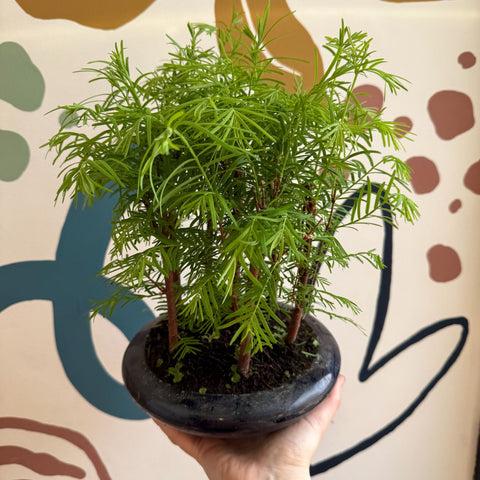
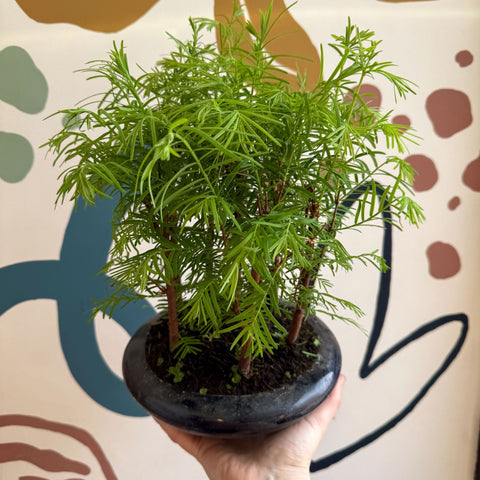

Metasequoia - Urweltmammutbaum Bonsai
Mit Vertrauen einkaufen
Alles, was wir tun, ist darauf ausgelegt, Ihre Bestellung sicher und zu Ihrer Zufriedenheit zu liefern.
🌿 Sorgfältig verpackt in Bristol, UK
⭐ Geliebt von Tausenden zufriedener Sprouts Kunden
📦 Royal Mail Sendungsverfolgung
💚 Unabhängiger & Real Living Wage Arbeitgeber
Sollte Ihre Pflanze beschädigt oder in einem schlechten Zustand ankommen, werden wir das in Ordnung bringen. Erfahren Sie hier mehr
Jede Pflanze wird von unserem kleinen, pflanzenliebenden Bristol-Team sorgfältig in einer schützenden, größtenteils plastikfreien Verpackung verpackt.
Gelegentlich finden Sie wiederverwendete Luftpolsterfolie – diese wurde uns gespendet, und wir ermutigen Sie, sie ebenfalls wiederzuverwenden.
Bestellungen werden in der Regel innerhalb von 2–4 Werktagen verpackt und versandt. Gelegentlich kann es bei extremen Wetterbedingungen zu Versandverzögerungen kommen, um Ihre Pflanzen zu schützen. Die Gesundheit der Pflanzen hat bei uns immer Vorrang vor der Liefergeschwindigkeit.
Die Lieferung kostet 4,99 £ für beliebig viele Artikel oder ist ab einem Bestellwert von 60 £ kostenlos. Wir liefern nur innerhalb Großbritanniens.
Wir bieten auch lokale Fahrradlieferungen in Bristol für 4,99 £ über Pedal Collective an, eine sanftere Option für Pflanzen und den Planeten.
Wir glauben an eine faire Bezahlung, deshalb sind wir von Anfang an ein Arbeitgeber, der den Real Living Wage zahlt. Wir sind ein unabhängiges Unternehmen aus Bristol und verpacken jede Bestellung selbst.
Uns zu unterstützen bedeutet, faire Arbeit zu unterstützen.
Fragen vor der Bestellung? Schreiben Sie uns einfach eine Nachricht – wir helfen Ihnen gerne weiter.
Gehen Sie auf unsere Kontaktseite und füllen Sie das Kontaktformular aus. Einer unserer Mitarbeiter wird sich in Kürze bei Ihnen melden
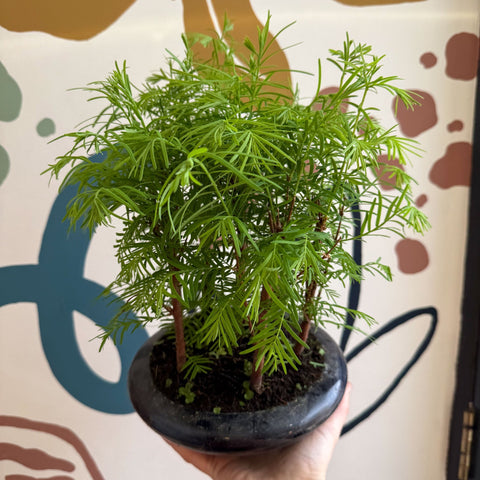
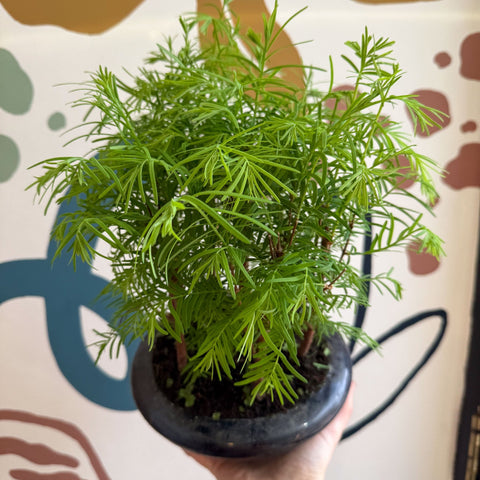
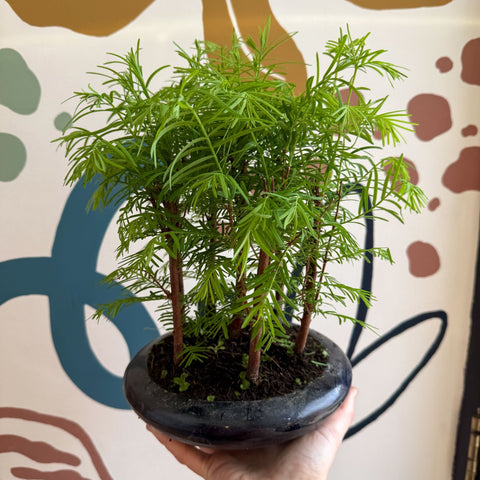
Der Urweltmammutbaum ist ein sommergrüner, in China beheimateter Baum; bis 1941 lebende Exemplare dort gefunden wurden, galt er als ausgestorben und war nur aus fossilen Funden bekannt. Er eignet sich jedoch gut als Anfänger-Bonsai, lassen Sie sich also nicht von seiner langen Geschichte abschrecken. Wenn Sie diese Pflanze kultivieren, kultivieren Sie ein kleines Stück Vorgeschichte! In der Natur wächst er sehr aufrecht und hoch, und als Bonsai wird er meist in der gleichen aufrechten Wuchsform gehalten. Für Bonsai-Bäume ist er relativ groß, daher müssen Sie das starke Wachstum dieser Art im Auge behalten. Diese robuste Art wächst am besten im Freien, aber Vorsicht vor strengen Außenfrösten, die Wurzeln in flachen Töpfen schädigen können. Wenn Sie ihn drinnen anbauen müssen, stellen Sie sicher, dass er einen sonnigen Platz hat und im Winter eine Temperaturabnahme erfährt – ein unbeheizter Wintergarten wäre ein perfekter Ort.
Wissenschaftlicher Name
Metasequoia glyptostroboides (wie der Baum der Sequoia mit geschnitzten Zapfen)
Synonyme: Metasequoia neopangaea, Metasequoia honshuenensis
Diese Pflanze wurde anhand fossiler Überreste identifiziert und galt als ausgestorben, bis 1941 lebende Exemplare in China identifiziert wurden.
Allgemeiner Name
Urweltmammutbaum Bonsai, Urweltmammutbaum, Wasser-Tanne, Wasser-Lärche, Metasequoia, Lebendes Fossil
Herkunft
Diese Pflanze stammt aus Südost- und Südzentralchina
Licht
Ihr Urweltmammutbaum wächst am besten an einem sonnigen Ort, sollte aber vor der stärksten Sommersonne geschützt werden, um ein Verbrennen der Blätter zu vermeiden.
Wasser
Halten Sie den Boden feucht, besonders im Sommer, während der Baum aktiv wächst. Im Winter müssen Sie die Wassermenge reduzieren und sicherstellen, dass der Boden niemals durchnässt ist, da Bäume in Pfützen faulende Wurzeln bekommen können. Im Sommer kann es leicht passieren, diese durstige Pflanze zu wenig zu gießen; machen Sie sich jedoch keine allzu großen Sorgen, wenn die Blätter knusprig werden, da sie schnell genug neue Äste bilden sollte, um sie zu ersetzen.
Luftfeuchtigkeit
Dieser Baum profitiert von einer überdurchschnittlichen Luftfeuchtigkeit, um seinen Boden feucht und seine Blätter glücklich zu halten.
Erde
Verwenden Sie eine gut durchlässige, aber feuchtigkeitsspeichernde Erde – Ficus-Erde ist für Bonsais meist gut geeignet –, um sicherzustellen, dass Ihr Bonsai die richtige Menge Wasser erhält. Alle zwei Jahre umtopfen. Die Wurzeln wachsen schnell und beginnen, die Pflanze aus dem Topf zu drücken; Sie müssen die Wurzeln jedes Mal beschneiden, um sie Bonsai-gerecht zu halten.
Fütterung
Im Frühling und Sommer düngen; im Frühling können Sie einen stickstoffreichen Dünger verwenden, aber im Sommer vorsichtiger düngen, um nicht zu viel Wachstum zu erzielen. Im Herbst und Winter ist keine Düngung notwendig.
Schnitt
Kneifen Sie im Frühjahr und Sommer neue Triebe zurück, um die Form zu erhalten und die Verzweigung zu fördern. Der strukturelle Schnitt sollte im Spätwinter oder frühen Frühjahr erfolgen, bevor die Knospen austreiben. Vermeiden Sie starke Schnitte im aktiven Wachstum.
Verdrahtung
Kann während der Ruhephase (Spätwinter) verdrahtet werden, wenn die Äste flexibel sind. Regelmäßig überprüfen, um zu vermeiden, dass der Draht in die Rinde einschneidet – Metasequoia wachsen schnell.
Temperatur
Diese Bonsai-Art ist winterhart und wächst am besten im Freien; sie verträgt Temperaturen bis -15 °C, sollte aber vor Frost geschützt werden, der sie schädigen kann. Ein Schutz in einem Gewächshaus oder unbeheizten Wintergarten sollte über den Winter gut funktionieren.
Haustiersicher
Ja, Ihr Bonsai ist ungiftig für Haustiere, obwohl der Verzehr großer Mengen nicht gut für den Magen der Haustiere oder Ihre Pflanze ist.
Sprouts Top-Tipps
Schneiden Sie die Triebspitzen 2-3 Mal im Jahr zurück, um die Äste kompakt zu halten.
Ihr Urweltmammutbaum profitiert von saisonalen Wetter- und Temperaturwechseln, sodass Sie ihn entweder im Freien an einem geschützten Ort oder drinnen an einem Ort anbauen können, wo er im Sommer viel Sonne und im Winter etwas Kälte bekommt.
Das Abwerfen der Blätter im Herbst ist völlig normal; dieser Nadelbaum ist laubabwerfend und überwintert blattlos, bevor er im Frühling frisch austreibt.
Wussten Sie schon?
Diese Art wurde hier in Großbritannien in die Wildnis eingeführt
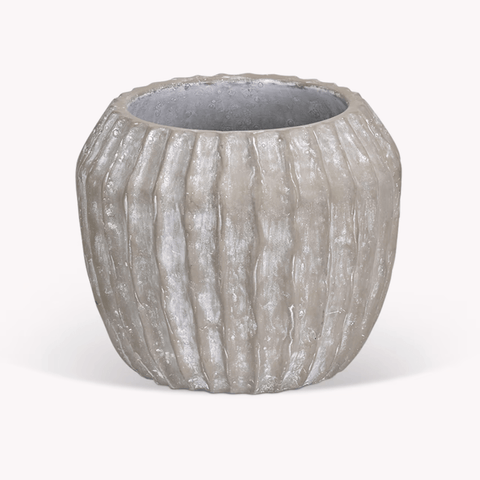
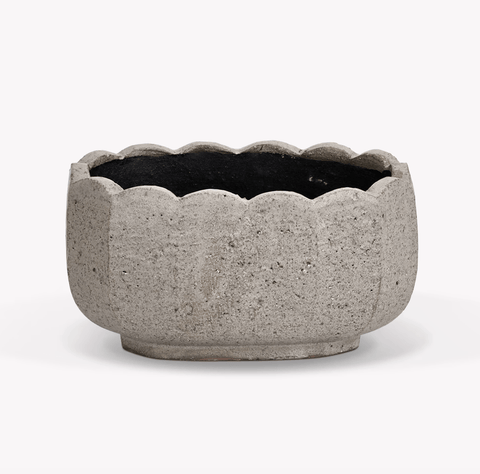
Topf & Pflegeutensilien hinzufügen
Die meisten Kunden kaufen zu dieser Pflanze noch einen Topf oder Erde hinzu.










Schauen Sie sich The Sprouts Blog an
Sprouts Insights zu Zimmerpflanzen, Gartenarbeit, unseren Lieblingsmarken und Fallstudien zur Pflanzenvermietung.