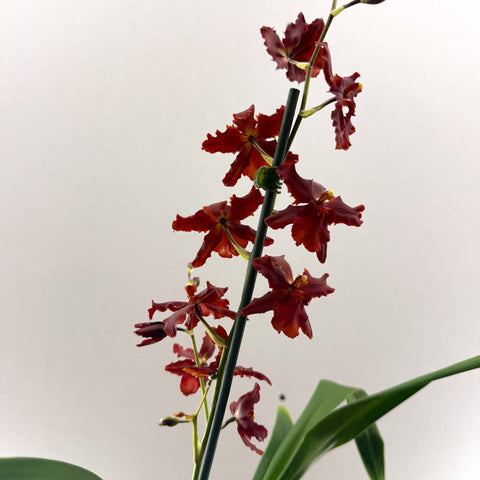
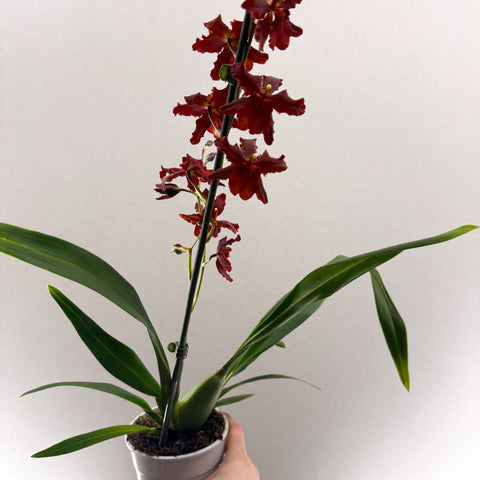
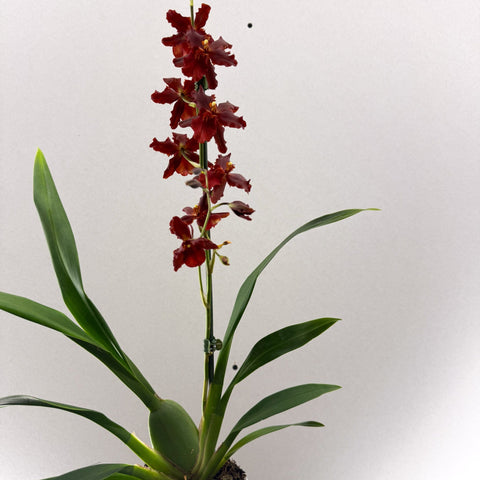
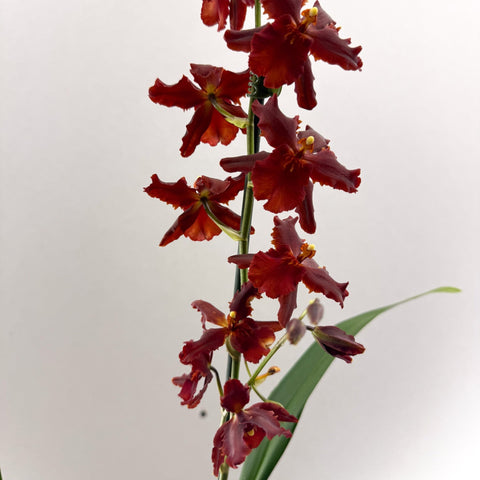
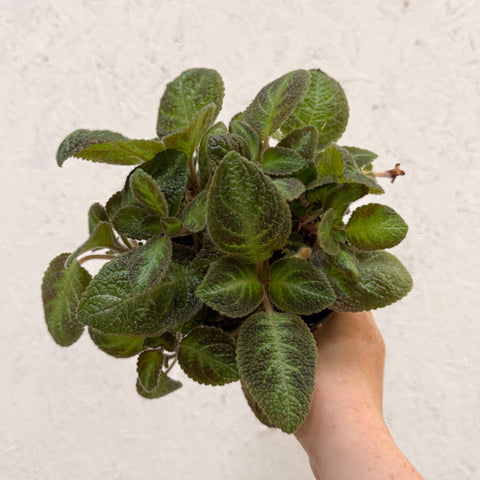
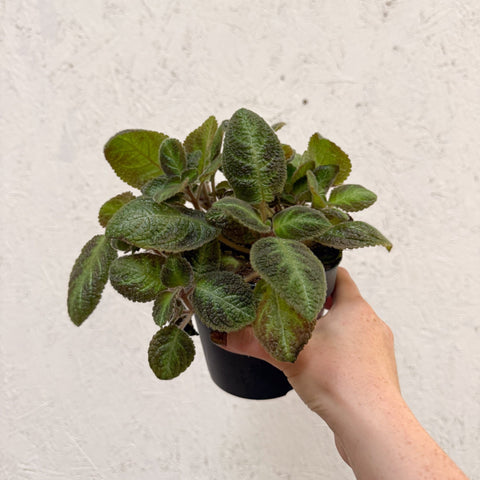
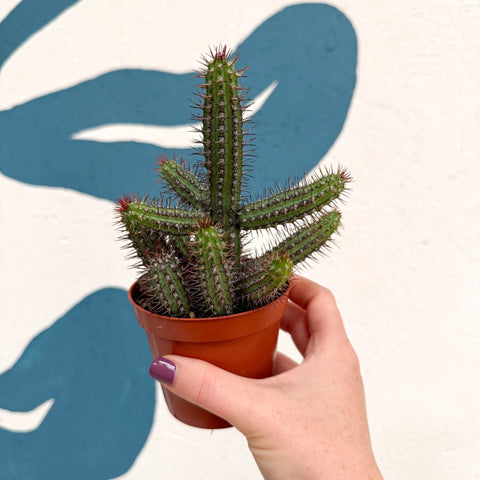
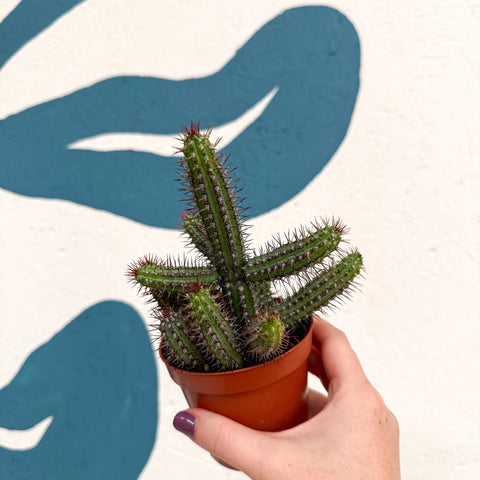
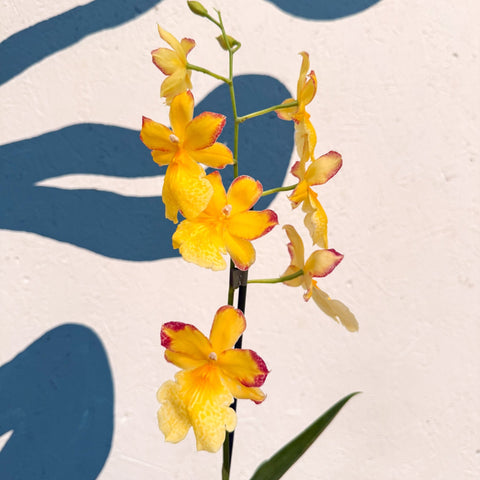
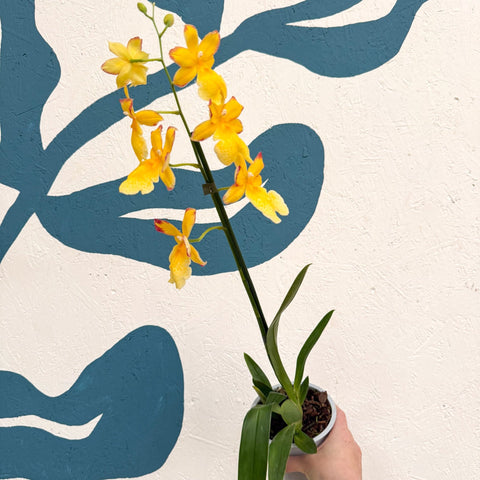
Diese kräftige und dramatische Cambria-Orchidee, ein Oncidium-ähnlicher Hybrid, produziert Blütenstände mit tiefroten bis burgunderfarbenen Blüten mit gekräuselten Blütenblättern und warmgelben Zentren. Die Blüten sitzen an hohen, eleganten Stielen und schaffen eine beeindruckende, architektonische Darstellung. Leicht duftend oder geruchlos, wird diese Sorte eher wegen ihrer reichen Farbe und zuverlässigen Blüte als wegen ihres Duftes angebaut.
Wissenschaftlicher Name
Cambria-Orchidee (Oncidium-ähnlicher Hybrid)
Cambria-Orchideen sind komplexe intergenerische Hybriden innerhalb der Familie der Orchidaceae. Oncidium-ähnliche Cambria-Hybriden werden hauptsächlich aus Oncidium und eng verwandten Gattungen gezüchtet. Aufgrund umfangreicher Hybridisierung und samenbasierter Produktion können einzelne Pflanzen in der Regel nicht über ihren allgemeinen Hybridtyp hinaus identifiziert werden.
Synonyme
Cambria-Orchidee, Oncidium-ähnlicher Cambria-Hybrid
Deutscher Name
Cambria-Orchidee
Herkunft
Hybride Herkunft. Die Elternpflanzen stammen aus Mittel- und Südamerika, wo sie epiphytisch in warmen, luftigen Waldumgebungen wachsen.
Licht
Bevorzugt helles, indirektes Licht. Verträgt etwas sanfte Morgen- oder Spätnachmittagssonne, aber vermeiden Sie starke direkte Sonneneinstrahlung, die die Blätter verbrennen könnte. Gute Lichtverhältnisse sind für die Blüte unerlässlich.
Wasser
Gründlich gießen, wenn das Substrat zu trocknen beginnt, und überschüssiges Wasser frei abfließen lassen. Während des aktiven Wachstums und der Blüte regelmäßiger gießen, im Winter die Häufigkeit reduzieren. Lassen Sie die Pflanze nicht im Wasser stehen.
Luftfeuchtigkeit
Mag mäßige Luftfeuchtigkeit, passt sich aber gut an durchschnittliche Haushaltsbedingungen an. Gedeiht gut in der Nähe eines Untersetzers mit Kieselsteinen oder in einem Raum mit guter Luftzirkulation.
Erde
Verwenden Sie eine gut durchlässige Orchideenrinde, die für epiphytische Orchideen geeignet ist. Alle 1–2 Jahre umtopfen, idealerweise nach der Blüte oder wenn neues Wachstum erscheint.
Dünger
Während der Wachstumsperiode bei jeder zweiten bis dritten Wassergabe mit einem verdünnten Orchideendünger düngen. Im Herbst und Winter die Düngung deutlich reduzieren.
Temperatur
Bevorzugt mittlere Temperaturen. Der ideale Bereich liegt bei 18–24 °C. Vermeiden Sie Temperaturen unter 12 °C und schützen Sie die Pflanze vor kalter Zugluft.
Haustiersicher
Ungiftig. Gilt als sicher für Haustiere und Kinder.
Sprouts Top-Tipps
Helles Licht und ein leichter Rückgang der Nachttemperatur können dazu beitragen, dass die Pflanze nach der Blüte erneut blüht.
Extras
Jede Pseudobulbe blüht einmal, aber neue Pseudobulben entwickeln sich und produzieren bei richtiger Pflege zukünftige Blüten.
Wussten Sie schon?
Viele dunkler blühende Oncidium-ähnliche Cambria-Orchideen werden eher wegen ihrer Farbwirkung als wegen ihres Duftes angebaut, was sie zu idealen Statement-Pflanzen macht.