Dendrobium nobile 'Bouquet Purple Rain' - Edle Orchidee
Mit Vertrauen einkaufen
Alles, was wir tun, ist darauf ausgelegt, Ihre Bestellung sicher und zu Ihrer Zufriedenheit zu liefern.
🌿 Sorgfältig verpackt in Bristol, UK
⭐ Geliebt von Tausenden zufriedener Sprouts Kunden
📦 Royal Mail Sendungsverfolgung
💚 Unabhängiger & Real Living Wage Arbeitgeber
Sollte Ihre Pflanze beschädigt oder in einem schlechten Zustand ankommen, werden wir das in Ordnung bringen. Erfahren Sie hier mehr
Jede Pflanze wird von unserem kleinen, pflanzenliebenden Bristol-Team sorgfältig in einer schützenden, größtenteils plastikfreien Verpackung verpackt.
Gelegentlich finden Sie wiederverwendete Luftpolsterfolie – diese wurde uns gespendet, und wir ermutigen Sie, sie ebenfalls wiederzuverwenden.
Bestellungen werden in der Regel innerhalb von 2–4 Werktagen verpackt und versandt. Gelegentlich kann es bei extremen Wetterbedingungen zu Versandverzögerungen kommen, um Ihre Pflanzen zu schützen. Die Gesundheit der Pflanzen hat bei uns immer Vorrang vor der Liefergeschwindigkeit.
Die Lieferung kostet 4,99 £ für beliebig viele Artikel oder ist ab einem Bestellwert von 60 £ kostenlos. Wir liefern nur innerhalb Großbritanniens.
Wir bieten auch lokale Fahrradlieferungen in Bristol für 4,99 £ über Pedal Collective an, eine sanftere Option für Pflanzen und den Planeten.
Wir glauben an eine faire Bezahlung, deshalb sind wir von Anfang an ein Arbeitgeber, der den Real Living Wage zahlt. Wir sind ein unabhängiges Unternehmen aus Bristol und verpacken jede Bestellung selbst.
Uns zu unterstützen bedeutet, faire Arbeit zu unterstützen.
Fragen vor der Bestellung? Schreiben Sie uns einfach eine Nachricht – wir helfen Ihnen gerne weiter.
Gehen Sie auf unsere Kontaktseite und füllen Sie das Kontaktformular aus. Einer unserer Mitarbeiter wird sich in Kürze bei Ihnen melden
Diese üppig blühende Edel-Orchidee ist ein Bouquet für sich. Neben ihrem mittelgrünen Laub, das aus Blättern besteht, die an abwechselnden Seiten entlang jedes dicken, segmentierten Stiels sprießen, sind die duftenden Blüten atemberaubend. Diese süß duftenden Blüten sind in der Mitte blassgelb und cremeweiß, umgeben von leuchtend violetten Blütenblättern, die wirklich die Aufmerksamkeit auf sich ziehen und Ihren Zimmerpflanzenarrangements Stil verleihen. In ihrem natürlichen Lebensraum ist die Dendrobium epiphytisch und wächst auf Bäumen in subtropischen Teilen Süd- und Ostasiens; stellen Sie sicher, dass ihre Wurzeln genügend Platz zum Atmen haben, und Sie können kaum etwas falsch machen.
Wissenschaftlicher Name
Dendrobium nobile 'Bouquet Purple Rain' (bekannte Baumlebenspflanze, Sorte: Bouquet Purple Rain)
Synonyme: Callista nobilis, Dendrobium chlorostylum, Dendrobium coerulescens, Dendrobium formosanum, Dendrobium lindleyanum, Dendrobium wallichianum
Erstmalig im Jahr 1830 klassifiziert, hat D. nobile seither denselben wissenschaftlichen Namen behalten, obwohl in den dazwischenliegenden Jahrhunderten andere Namen vorgeschlagen wurden.
Allgemeiner Name
Edel-Orchidee, Edel-Felsen-Orchidee, Bambus-Orchidee, Edel-Dendrobium, Nobile-Orchidee, Rosa Edel-Orchidee, Lila Edel-Orchidee, Bouquet Purple Rain Edel-Orchidee
Herkunft
Heimisch in subtropischen Gebieten Süd- und Südostasiens, gefunden in: Bangladesch, Südchina, Indien, Laos, Myanmar, Nepal, Thailand, Tibet und Vietnam.
Licht
An einem hellen Standort ohne direkte Sonneneinstrahlung aufstellen, besonders im Frühling und Sommer, wenn die Sonne für Ihre Edel-Orchidee zu intensiv sein kann. Ein bisschen Morgensonne im Herbst und Winter kann hilfreich sein, wenn das Wachstum Ihrer Orchidee langsamer wird.
Wasser
Halten Sie den Boden relativ feucht, während Ihre Orchidee blüht; lassen Sie nur das obere Drittel des Bodens trocknen, bevor Sie erneut gießen. Dies sollte dazu beitragen, dass die Blüten länger glücklich und frisch bleiben. Die Verwendung von zimmerwarmem Wasser verhindert auch, dass die Pflanze einen Schock bekommt. Denken Sie daran, die Bewässerung im Winter zu reduzieren, da die Pflanze dann langsamer austrocknet.
Luftfeuchtigkeit
Ihre Edel-Orchidee wird einen Platz mit überdurchschnittlicher Luftfeuchtigkeit zu schätzen wissen; eine Küche oder ein Badezimmer kann eine gute Idee sein, oder die Verwendung einer Kieselsteinschale, um die lokale Luftfeuchtigkeit um die Pflanze herum zu erhöhen. Anzeichen für zu geringe Luftfeuchtigkeit sind braune, knusprige Blattspitzen.
Erde
Eine Erde, die für epiphytische Orchideen oder Anthurien entwickelt wurde, funktioniert hier am besten; sie sollte viel Rinde enthalten, um die Luftzirkulation um die Wurzeln zu fördern. Leicht topfgebunden zu sein, regt sie zum Blühen an, also nicht zu früh umtopfen – alle 2-3 Jahre im Frühjahr umtopfen und darauf achten, dass Ihre Orchidee nicht aktiv blüht.
Düngung
Alle paar Wochen mit einem Blatt-Orchideendünger düngen. Dies ist besonders wichtig im Frühling, wenn Ihre Orchidee das Wachstum ankurbelt; im Winter können Sie wahrscheinlich weniger düngen.
Temperatur
Tagestemperaturen zwischen 18-27°C sind ideal, besonders im Sommer, um diese subtropische Pflanze an ihre Heimat zu erinnern. Sie benötigt nachts einen Temperaturabfall von etwa 5°C, aber stellen Sie sicher, dass sie nachts oder im Winter niemals unter 10°C fällt, da längere Perioden bei dieser niedrigeren Temperatur Schäden verursachen würden.
Haustiersicher
Ja, diese Orchidee ist ungiftig und somit sicher für Haushalte mit Haustieren und kleinen Kindern. Zu viel Knibbeln ist nicht gut, also behalten Sie Ihre Pflanze und neugierige Hände oder Pfoten im Auge.
Sprouts Top-Tipps
Die Edel-Orchidee benötigt einige saisonale und tägliche Veränderungen, um am besten zu gedeihen. Sobald sich ihr Wachstum im Herbst und Winter verlangsamt hat, benötigt sie etwas niedrigere Temperaturen, eine Prise schwache Morgensonne, weniger Wasser und weniger Nahrung, um eine richtige Ruhephase zu fördern. Das ganze Jahr über ist ein nächtlicher Temperaturabfall von 5°C perfekt, um Blüten und gesundes Wachstum zu fördern. Wenn es zu konstant ist, fühlt sich Ihre Orchidee nicht ganz zu Hause.
Topf & Pflegeutensilien hinzufügen
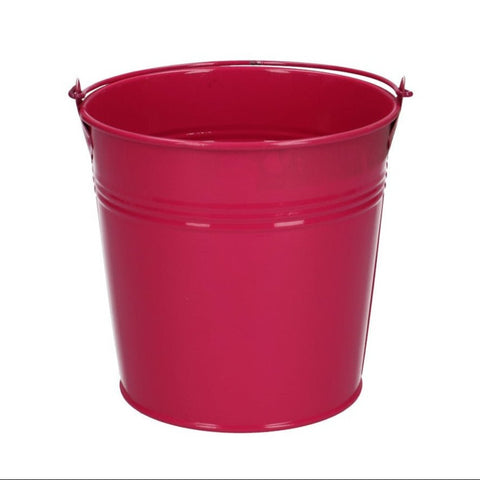
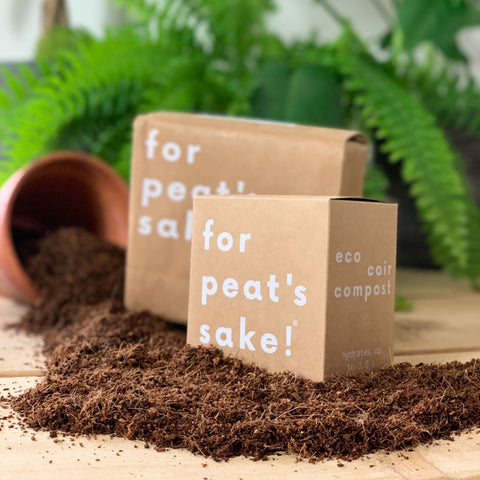
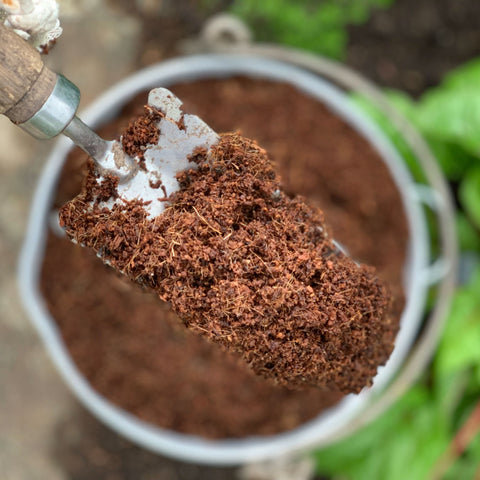
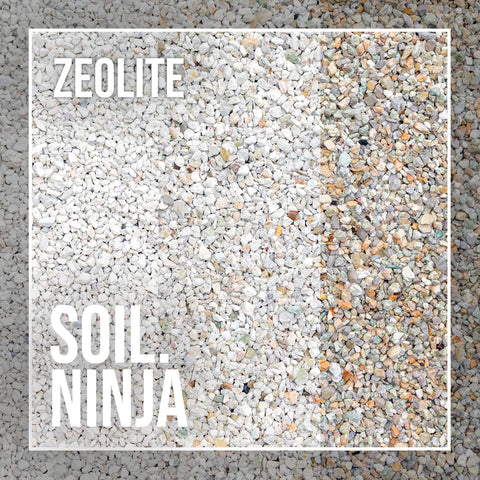
Die meisten Kunden kaufen zu dieser Pflanze noch einen Topf oder Erde hinzu.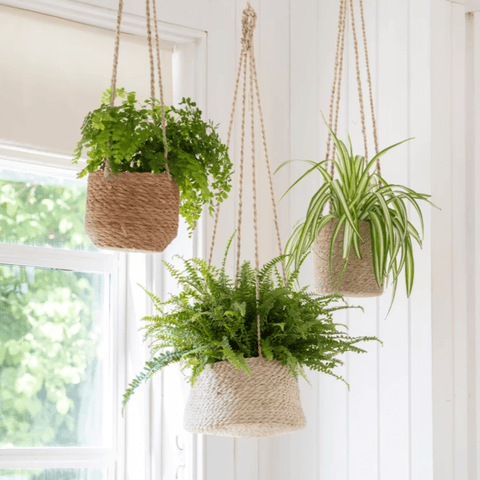







Schauen Sie sich The Sprouts Blog an
Sprouts Insights zu Zimmerpflanzen, Gartenarbeit, unseren Lieblingsmarken und Fallstudien zur Pflanzenvermietung.