Haworthiopsis fasciata – Zebra-Haworthie
Mit Vertrauen einkaufen
Alles, was wir tun, ist darauf ausgelegt, Ihre Bestellung sicher und zu Ihrer Zufriedenheit zu liefern.
🌿 Sorgfältig verpackt in Bristol, UK
⭐ Geliebt von Tausenden zufriedener Sprouts Kunden
📦 Royal Mail Sendungsverfolgung
💚 Unabhängiger & Real Living Wage Arbeitgeber
Sollte Ihre Pflanze beschädigt oder in einem schlechten Zustand ankommen, werden wir das in Ordnung bringen. Erfahren Sie hier mehr
Jede Pflanze wird von unserem kleinen, pflanzenliebenden Bristol-Team sorgfältig in einer schützenden, größtenteils plastikfreien Verpackung verpackt.
Gelegentlich finden Sie wiederverwendete Luftpolsterfolie – diese wurde uns gespendet, und wir ermutigen Sie, sie ebenfalls wiederzuverwenden.
Bestellungen werden in der Regel innerhalb von 2–4 Werktagen verpackt und versandt. Gelegentlich kann es bei extremen Wetterbedingungen zu Versandverzögerungen kommen, um Ihre Pflanzen zu schützen. Die Gesundheit der Pflanzen hat bei uns immer Vorrang vor der Liefergeschwindigkeit.
Die Lieferung kostet 4,99 £ für beliebig viele Artikel oder ist ab einem Bestellwert von 60 £ kostenlos. Wir liefern nur innerhalb Großbritanniens.
Wir bieten auch lokale Fahrradlieferungen in Bristol für 4,99 £ über Pedal Collective an, eine sanftere Option für Pflanzen und den Planeten.
Wir glauben an eine faire Bezahlung, deshalb sind wir von Anfang an ein Arbeitgeber, der den Real Living Wage zahlt. Wir sind ein unabhängiges Unternehmen aus Bristol und verpacken jede Bestellung selbst.
Uns zu unterstützen bedeutet, faire Arbeit zu unterstützen.
Fragen vor der Bestellung? Schreiben Sie uns einfach eine Nachricht – wir helfen Ihnen gerne weiter.
Gehen Sie auf unsere Kontaktseite und füllen Sie das Kontaktformular aus. Einer unserer Mitarbeiter wird sich in Kürze bei Ihnen melden
Diese Haworthiopsis zeichnet sich durch den aufrechten Wuchs ihrer Blätter aus, die fast so aussehen, als würden sie nach dem Himmel greifen. Jeder Stiel ist weiß gestreift, was ihr den Spitznamen „Zebrapflanze“ eingebracht hat, und diese Farbspritzer treten in erhabenen Höckern auf, die der Pflanze eine interessante Textur verleihen. Geben Sie ihr einen einigermaßen hellen Platz mit etwas direkter Sonne und lassen Sie die Erde zwischen den Wassergaben vollständig trocknen, und diese Pflanze wird Ihre Pflege mit mehr von ihrem atemberaubenden Laub und ihrer geometrischen Form belohnen. Pflegeleicht, stilvoll und kompakt ist sie eine großartige Bereicherung für jedes Zuhause, von begeisterten Sukkulentensammlern bis hin zu Pflanzenneulingen.
Wissenschaftlicher Name
Haworthiopsis fasciata (wie Haworths Pflanze, Arten mit gebündelten Stängeln)
Synonyme: Haworthia fasciata, Aloe fasciata, Apicra fasciata, Catevala fasciata, Haworthia pumila subsp. fasciata
Diese Pflanze wurde 2013 in einer wissenschaftlichen Arbeit aus der Gattung Haworthia (wo sie als Haworthia fasciata bekannt war) neu klassifiziert, dank der DNA-Analyse des 21. Jahrhunderts.
Gängige(r) Name(n)
Kleine Zebrapflanze, Zebrapflanze, Zebra-Haworthie, Zebrakaktus, Gebänderte Haworthie
Herkunft
Heimisch in der östlichen Kapprovinz Südafrikas, wo sie in trockenen, felsigen Gebieten wächst.
Licht
Ihre Zebra-Haworthiopsis liebt einen hellen Standort mit vielleicht ein paar Stunden direkter Sonne; in ihrer Heimat Südafrika ist sie etwas Schatten von Felsen gewohnt, daher kann sie bei zu viel Sonne verbrennen.
Wasser
Lassen Sie die Erde zwischen den Wassergaben vollständig austrocknen. Gießen Sie gründlich, stellen Sie sicher, dass überschüssiges Wasser abfließt, und lassen Sie die Pflanze niemals in stehendem Wasser stehen. Während der aktiven Wachstumsperiode (Frühling und Sommer) mäßig gießen; reduzieren Sie das Gießen im Herbst und Winter, wenn das Wachstum langsamer wird.
Luftfeuchtigkeit
Anpassungsfähig an durchschnittliche Luftfeuchtigkeit im Haushalt. Vermeiden Sie Umgebungen mit hoher Luftfeuchtigkeit, da übermäßige Feuchtigkeit zu Wurzelfäule führen kann. Gelegentliches Abduschen hält die Blätter staubfrei.
Erde
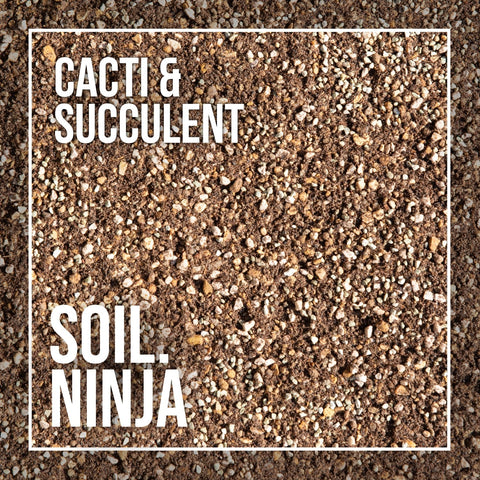
Pflanzen Sie in eine gut durchlässige Sukkulenten- oder Kakteen-Blumenerde. Eine, die Sand oder Kies enthält, funktioniert gut. Ein Umtopfen ist in der Regel alle 2-3 Jahre erforderlich oder wenn die Pflanze ihren Topf überwachsen hat.
Düngung
Während der Wachstumsperiode sparsam mit einem ausgewogenen, wasserlöslichen Dünger in halber Stärke düngen, etwa einmal alle zwei Monate. Vermeiden Sie das Düngen während der Ruhephase im Winter.
Temperatur
Gedeiht bei Temperaturen zwischen 18-26°C. Achten Sie darauf, dass die Pflanze im Winter nachts nicht unter 10°C fällt.
Haustierfreundlich
Ja, diese Sukkulente gilt im Allgemeinen als ungiftig für Haustiere und Menschen, was sie zu einer sicheren Wahl für Haushalte mit Tieren und Kindern macht.
Sprouts Top Tipps
Drehen Sie die Pflanze regelmäßig, um ein gleichmäßiges Wachstum zu gewährleisten und zu verhindern, dass sie sich zur Lichtquelle neigt. Halten Sie die Blätter staubfrei, indem Sie sie abduschen und anschließend vollständig trocknen lassen. Mit der Zeit kann Haworthiopsis fasciata Ableger (Kindel) bilden, die abgetrennt und neu gepflanzt werden können, um neue Pflanzen zu vermehren; warten Sie, bis sie mindestens vier Blätter haben, um ihnen die besten Chancen zum Einwurzeln zu geben.
Wussten Sie schon?
Diese Art unterscheidet sich von der ähnlichen H. attenuata durch die glatte Oberseite ihrer Blätter, während die andere Art Sommersprossen auf beiden Seiten der Blätter hat.
Topf & Pflegeutensilien hinzufügen
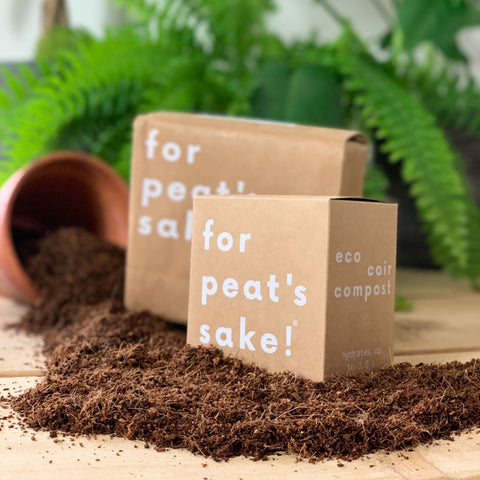
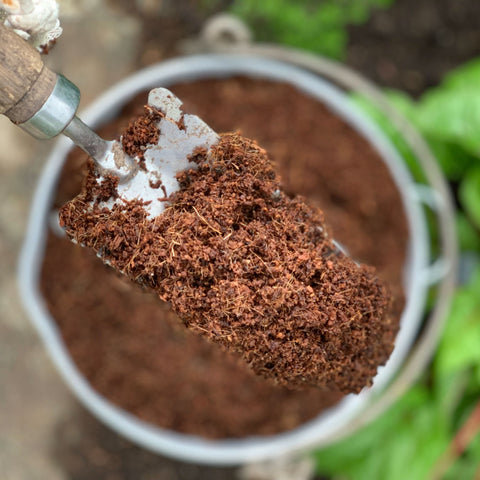
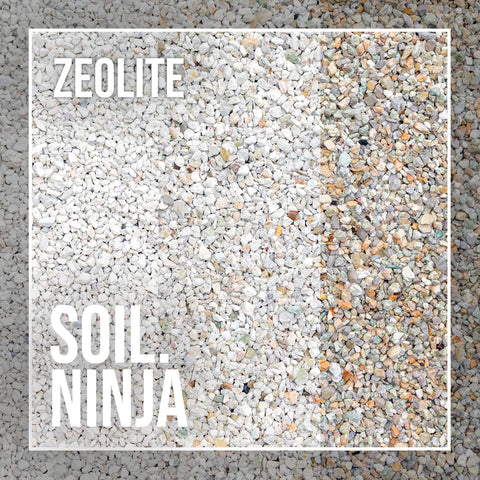
Die meisten Kunden kaufen zu dieser Pflanze noch einen Topf oder Erde hinzu.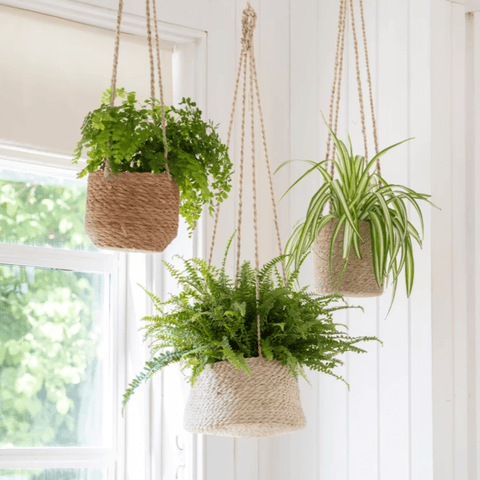







Schauen Sie sich The Sprouts Blog an
Sprouts Insights zu Zimmerpflanzen, Gartenarbeit, unseren Lieblingsmarken und Fallstudien zur Pflanzenvermietung.