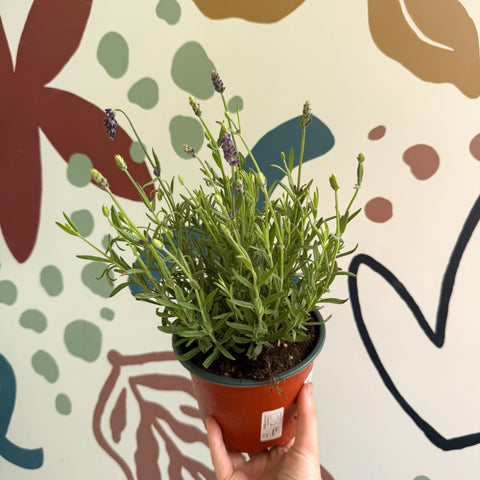
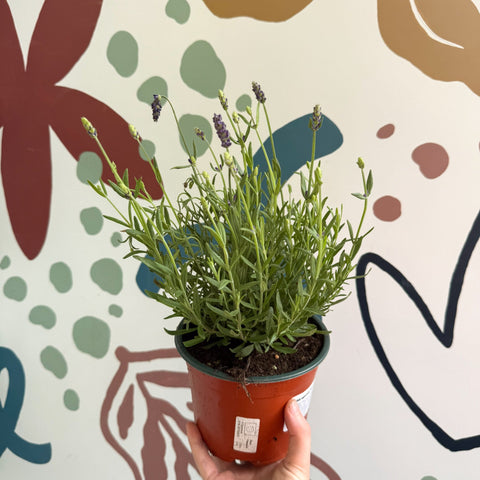
Dieser klassische englische Lavendel wird wegen seiner ordentlichen, kompakten Form und seiner reichhaltigen, violett-blauen Blütenähren geliebt, die üppig über silbergrauem Laub blühen. Eine zeitlose Wahl für die Einfassung von Wegen, Beeten und sonnigen Kiesgärten. Ein robuster, immergrüner Strauch, der sich ideal für formale Hecken oder informelle Pflanzungen im Landhausstil eignet. Sein dichtes, aromatisches Laub und seine lange Blütezeit machen ihn zu einem unverzichtbaren Gartengewächs.
|
Immergrüner Strauch
|
Kompakt, duftend, langblühend (Mitte bis Spätsommer)
|
Blütezeit: Juni – August
Blattwerk: Ganzjährig
|
Wissenschaftlicher Name
Lavandula angustifolia
Deutscher Name
Echter Lavendel
Herkunft
Heimisch in der Mittelmeerregion; diese Sorte wurde in Großbritannien eingeführt und nach Hidcote Manor Garden in Gloucestershire benannt
Schnitt-Tipps
Nach der Blüte leicht zurückschneiden, um die Pflanze kompakt zu halten und ein Verholzen zu verhindern. Im Spätsommer oder Frühherbst verblühte Blütenstiele zurückschneiden und die Form ohne Schnitt ins alte Holz in Form bringen.
Wert für die Tierwelt
Eine ausgezeichnete Nektarquelle für Bienen, Schmetterlinge und Schwebfliegen. Wirkt auch als natürliches Schädlingsbekämpfungsmittel.
Standort
Gedeiht in voller Sonne. Ideal für Beete, Kräutergärten, Hochbeete und Kübel an sonnigen, geschützten Standorten.
Wasser
Nach dem Anwachsen trockenheitstolerant. In der ersten Saison regelmäßig gießen, um die Wurzelbildung zu fördern. Übermäßiges Gießen oder Staunässe vermeiden.
Boden
Bevorzugt gut durchlässigen, alkalischen bis neutralen Boden. Verträgt auch schlechte Böden, muss aber eine gute Drainage haben. Schweren Lehm vermeiden.
Düngung
Benötigt im Allgemeinen keine Düngung. Eine leichte Gabe kaliumreichen Düngers im Frühjahr kann die Blüte fördern. Stickstoffreiche Dünger vermeiden.
Tierfreundlich
Ungiftig für Haustiere und Menschen, obwohl der starke Geruch einige Tiere vom Knabbern abhalten kann.
Sprouts Top-Tipps
Lavendel mag keine Winternässe – verbessern Sie die Drainage durch Zugabe von Splitt zum Boden oder durch Anbau in Hochbeeten oder Töpfen. Regelmäßiger leichter Rückschnitt hält die Pflanzen buschig und langlebig.