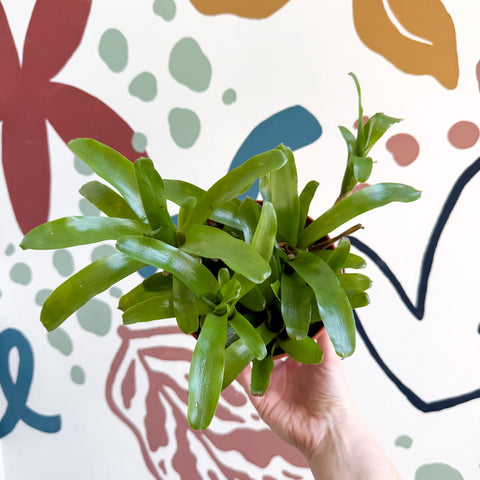
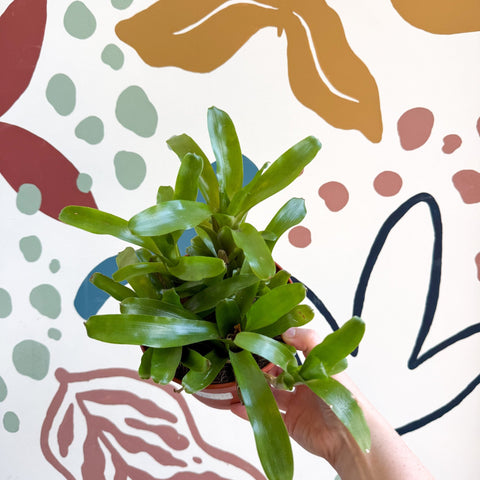
Die Nidularium 'Fireball' ist eine lebendige und kompakte Bromelie, bekannt für ihre Rosette aus glänzenden grünen Blättern, die bei hellem Licht ein leuchtendes Rot annehmen. Ihre niedrige, ausladende Form macht sie ideal für Terrarien, Regalauslagen oder in Kombination mit anderen tropischen Pflanzen. Obwohl sie kleine Blüten in der Mitte der Rosette bilden kann, ist es die dramatische Blattfarbe, die die Show stiehlt.
Wissenschaftlicher Name
Nidularium schultesianum 'Fireball' (von lateinisch nidulus, „kleines Nest“ bedeutend, in Anspielung auf das nestartige Zentrum, in dem die Blüten erscheinen)
Benannt nach dem deutschen Botaniker Julius Schultes. Nidularium gehört zur Familie der Bromeliaceae und ist eng verwandt mit Neoregelia und anderen Zisternenbromelien. 'Fireball' ist eine beliebte Sorte, die wegen ihrer lebhaften Farbe und ihres kompakten Wuchses weit verbreitet ist.
Allgemeiner Name / Allgemeine Namen
Feuerball-Bromelie, errötende Bromelie
Herkunft
Heimisch im Atlantischen Regenwald Brasiliens; Sorte gezüchtet für Zierzwecke
Licht
Bevorzugt helles, indirektes Licht. Entwickelt die kräftigste Rotfärbung unter helleren Bedingungen. Direkte Mittagssonne vermeiden, da diese die Blätter verbrennen kann.
Wasser
Gießen Sie Wasser in den zentralen Kelch („Tank“) der Rosette, halten Sie ihn mit frischem Wasser gefüllt und spülen Sie ihn alle paar Wochen aus, um Stagnation zu vermeiden. Gießen Sie den Boden nur leicht. Im Winter die Bewässerung reduzieren.
Luftfeuchtigkeit
Liebt hohe Luftfeuchtigkeit – regelmäßig besprühen oder eine Kieselschale oder einen Luftbefeuchter verwenden, besonders in zentralbeheizten Wohnungen.
Erde
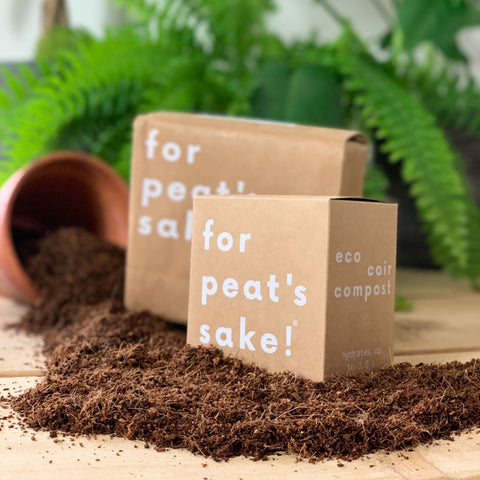
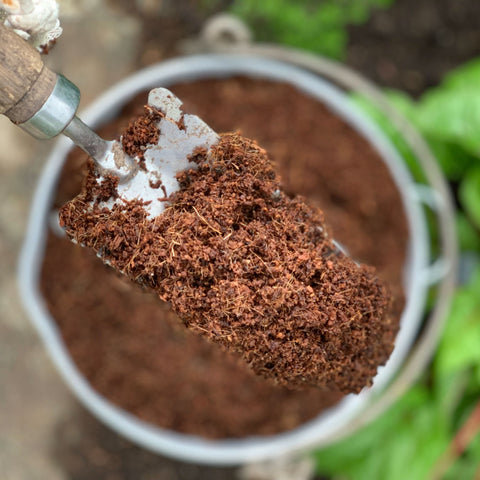
Verwenden Sie eine gut durchlässige epiphytische Mischung – Orchideenrinde, Perlit und etwas Kompost oder torffreie Blumenerde. Verdichtete oder feuchtigkeitsspeichernde Erde vermeiden. Alle 1–2 Jahre umtopfen, um die Mischung zu erneuern.
Nahrung
Während der Wachstumsperiode monatlich mit einem sehr verdünnten Orchideen- oder Bromeliendünger düngen. In den Kelch oder als Blattspray auftragen. Überdüngung vermeiden.
Temperatur
Idealer Bereich ist 18–26°C. Von kalter Zugluft fernhalten und niemals Temperaturen unter 10°C aussetzen.
Haustiersicher
Ungiftig – sicher für Haustiere und Kinder.
Sprouts Top-Tipps
Diese Pflanze bildet an ihrer Basis Ableger (Kindel), sobald sie ausgewachsen ist. Lassen Sie diese mindestens ein Drittel der Größe der Mutterpflanze erreichen, bevor Sie sie entfernen und eintopfen.
Zusätzliches
Wie viele Bromelien blüht jede Rosette nur einmal – nach der Blüte stirbt sie langsam ab, während sie Ableger produziert, um die Show fortzusetzen.
Wussten Sie schon?
Der Name „Fireball“ bezieht sich nicht auf die Blüte, sondern auf das Laub, das unter hellen Bedingungen tiefrot leuchtet – wie eine lebendige Glut, die in Ihrem Pflanzenregal liegt.