Crassula lanuginosa var. pachystemon 'David'

Size
Regulärer Preis £10.00
Dieses Produkt kann in keiner Filiale abgeholt werden

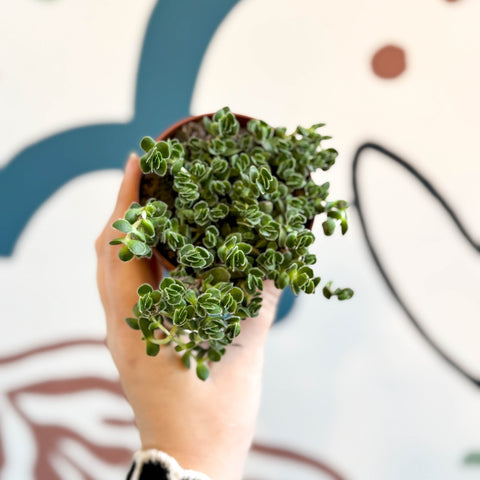
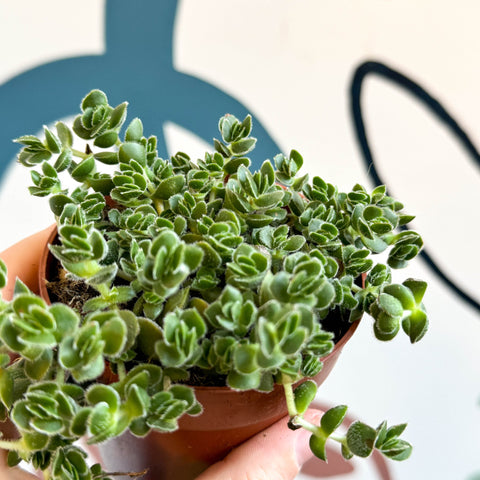
This trailing Crassula's tiny, fuzzy leaves help it stand out amongst any succulent display. Each stem grows a network of tiny, mid-green, fluffy leaves, which at the tips of the stems form little green rosettes. The 'hairs' on its leaves help it retain water in its natural habitat, meaning it's very low-maintenance in your home, and it is slow-growing, ideal for small spaces. Loving a spot with bright light and not too much water, your crassula is easily pleased and happy to grow on a windowsill, amongst other succulents or in a desert terrarium as long as you can give it light and well-draining soil.

Scientific Name
Crassula lanuginosa var. pachystemon ‘David’ (thick-leaved downy plant, thick-stamen variety, cultivar: David) 

Synonyms: Crassula cathcartensis, Crassula ernestii, Crassula pachystemon

Originally known as Crassula pachystemon on first publication in 1898, this plant is now recognised as a variety of the species C. lanuginosa. The cultivar name 'David' is for David Cumming, who first collected this cultivar in the 1980s.

Common Name(s)
Crassula David, David's Crassula, Woolly Crassula

Origin
Native to the Cape Provinces of South Africa, especially in rocky, arid areas.

Light
This Crassula will appreciate a couple of hours of morning or evening sun, and otherwise enjoys sitting in bright but indirect light; it is used to having a bit of shade from the midday sun and can scorch. 

Water
Let the soil totally dry out between waters; if the soil is constantly damp this can lead to root rot. This is especially a risk over winter, when the plant is growing less, so you'll need to water even less then.

Humidity
Having adapted itself to arid locations, this plant prefers low humidity; make sure not to keep it anywhere especially damp.

Soil
A mix with added sand, grit or perlite will work well for this Crassula; look for one designed for cacti and succulents. Repot every few years as the plant grows, and make sure your pot has drainage holes to help the soil to drain properly.

Food
Feed every couple of months in the spring & summer growing season; you won't need to feed in winter as the plant won't be growing. 

Temperature
Ideal temperature is 15-26°C; make sure it does not get colder than 12°C in winter.

Pet-safe
No, this plant is toxic if ingested, so it's best to keep out of reach of curious fingers and claws.

Sprouts Top Tips
If the lower leaves are going yellow and mushy, check the soil and make sure you're letting it dry out between waters. If in doubt, this plant will be easier to revive if you accidentally under-water than if you give it too much, so it's okay to wait a couple of extra days!

Check out The Sprouts Blog

Sprouts insights to house plants, gardening, our favourite brands and plant hire case studies.
We’re Growing – Welcome to Sprouts HQ! - Sprouts of Bristol
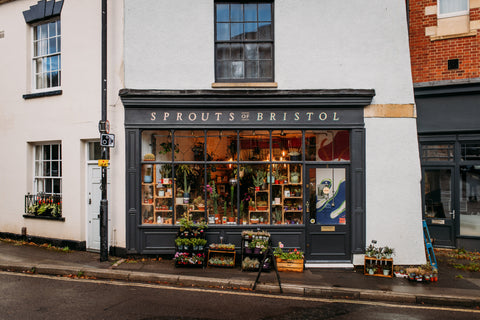
Sprouts of Bristol is expanding with the launch of Sprouts HQ – a new South Bristol premises that will house a dedicated packing space for online orders, an office, studio, and more room for rare and exciting plants. While the Kingsdown shop remains open as usual, the new HQ allows Sprouts to grow behind the scenes and offer even better service both in-store and online. This blog post shares the story behind the move, what customers can expect, and how to keep supporting this independent plant shop through the transition.
Jessy Edgar15. August 2025
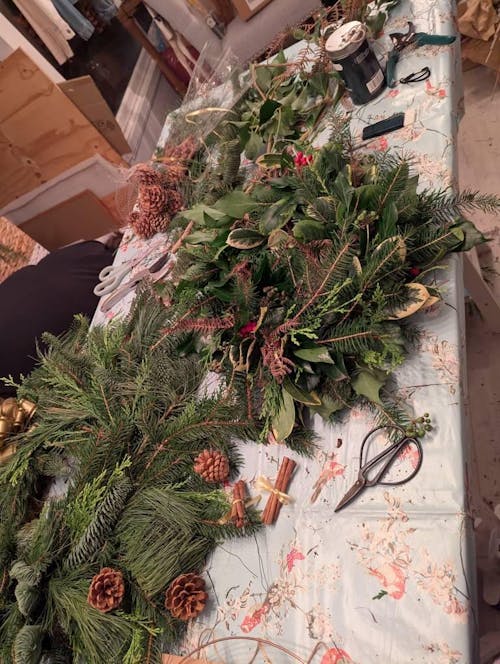
Terrarium & Wreath Workshops in Bristol – Autumn & Winter 2025 - Sprouts of Bristol
Join Sprouts of Bristol for terrarium, kokedama, and Christmas wreath workshops this autumn–winter. Creative, plant-filled fun in the heart of Bristol!
Jessy Edgar5. August 2025
Build Your Own Terrarium: A Step-by-Step Guide from Sprouts - Sprouts of Bristol
Fancy creating your own tiny, self-contained world of green? Our DIY terrarium kits are the...
Jessy Edgar20. Juli 2025