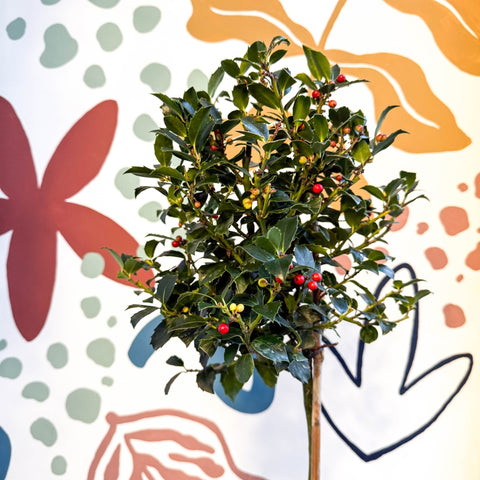
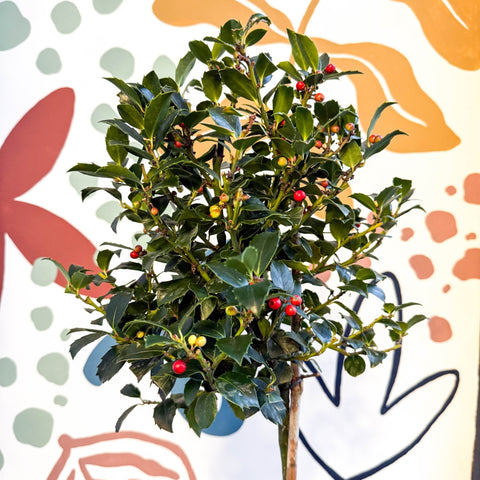
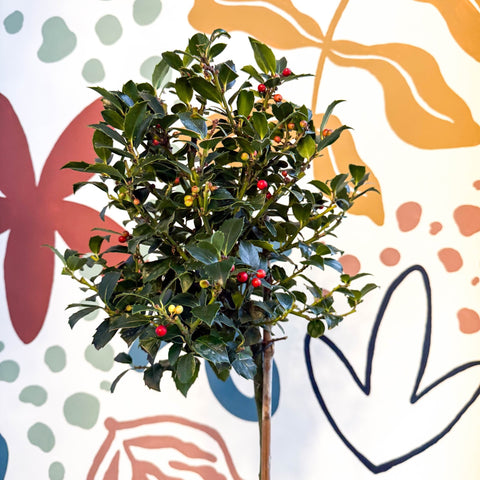
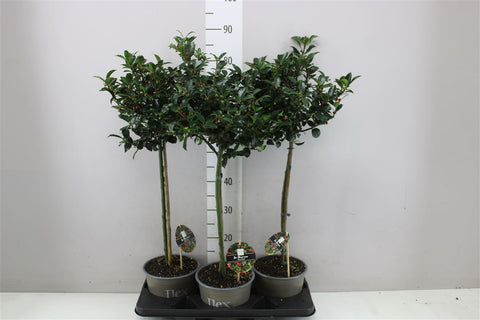
Ilex × meserveae 'Blue Maid' - Stamm-Stechpalme
Mit Vertrauen einkaufen
Alles, was wir tun, ist darauf ausgelegt, Ihre Bestellung sicher und zu Ihrer Zufriedenheit zu liefern.
🌿 Sorgfältig verpackt in Bristol, UK
⭐ Geliebt von Tausenden zufriedener Sprouts Kunden
📦 Royal Mail Sendungsverfolgung
💚 Unabhängiger & Real Living Wage Arbeitgeber
Sollte Ihre Pflanze beschädigt oder in einem schlechten Zustand ankommen, werden wir das in Ordnung bringen. Erfahren Sie hier mehr
Jede Pflanze wird von unserem kleinen, pflanzenliebenden Bristol-Team sorgfältig in einer schützenden, größtenteils plastikfreien Verpackung verpackt.
Gelegentlich finden Sie wiederverwendete Luftpolsterfolie – diese wurde uns gespendet, und wir ermutigen Sie, sie ebenfalls wiederzuverwenden.
Bestellungen werden in der Regel innerhalb von 2–4 Werktagen verpackt und versandt. Gelegentlich kann es bei extremen Wetterbedingungen zu Versandverzögerungen kommen, um Ihre Pflanzen zu schützen. Die Gesundheit der Pflanzen hat bei uns immer Vorrang vor der Liefergeschwindigkeit.
Die Lieferung kostet 4,99 £ für beliebig viele Artikel oder ist ab einem Bestellwert von 60 £ kostenlos. Wir liefern nur innerhalb Großbritanniens.
Wir bieten auch lokale Fahrradlieferungen in Bristol für 4,99 £ über Pedal Collective an, eine sanftere Option für Pflanzen und den Planeten.
Wir glauben an eine faire Bezahlung, deshalb sind wir von Anfang an ein Arbeitgeber, der den Real Living Wage zahlt. Wir sind ein unabhängiges Unternehmen aus Bristol und verpacken jede Bestellung selbst.
Uns zu unterstützen bedeutet, faire Arbeit zu unterstützen.
Fragen vor der Bestellung? Schreiben Sie uns einfach eine Nachricht – wir helfen Ihnen gerne weiter.
Gehen Sie auf unsere Kontaktseite und füllen Sie das Kontaktformular aus. Einer unserer Mitarbeiter wird sich in Kürze bei Ihnen melden
Dieser bekannte und beliebte immergrüne Strauch bringt mit seinen stacheligen, blaugrünen Blättern und den leuchtend roten Winterbeeren das ganze Jahr über Farbe und Tierwelt in Ihren Garten. Winterhart in ganz Großbritannien bei Temperaturen unter -20 °C.
Die Stechpalme ist eine wunderschöne Zierpflanze für Ihren Garten, besonders im Winter, wenn ihre glänzenden blaugrünen Blätter und leuchtend roten Beeren für eine fabelhafte und dezent festliche Laubschau sorgen. Für einen pflegeintensiven, wirkungsvollen Look können Sie sie in kompakte Formen schneiden oder sie wild wachsen lassen, wenn Sie eine pflegeleichtere Gartenästhetik bevorzugen. Je wilder Ihr Baum wächst, desto mehr profitiert auch die lokale Tierwelt davon, da er nistenden Vögeln in seinen Ästen und Igeln im Laub um seine Basis Schutz bietet. Achten Sie einfach auf die scharfen Stacheln an den Blättern und schon können Sie diese üppige Pflanze das ganze Jahr über genießen.
| Immergrün | Aufrechter, buschiger Wuchs | Das ganze Jahr über Laub, Blüten im Frühling und Beeren im Spätherbst. |
Wissenschaftlicher Name
Ilex × meserveae 'Blue Maid' (Stechpalme, Meserves Hybridart, Sorte: Blue Maid)
Diese Hybrid-Stechpalme wurde Mitte des 20. Jahrhunderts von Kathleen K. Meserve durch Kreuzung der Englischen Stechpalme (Ilex aquifolium) mit amerikanischen Wildarten (Ilex rugosa) entwickelt, um eine kälteresistente Sorte mit atemberaubenden Ziereigenschaften zu schaffen.
Gängige(r) Name(n)
Stechpalme, Blaue Stechpalme, Blue Maid Stechpalme, Ilex × meserveae 'Mesid'
Herkunft
Diese Hybride wurde zuerst in den USA kultiviert, aus Eltern, die jeweils in Nordamerika und Europa beheimatet sind.
Schnitttipps
Ihre Stechpalme benötigt nicht viel Schnitt, aber wenn Sie die Form kompakt halten möchten, ist es eine gute Idee, sie im zeitigen Frühjahr zu schneiden.
Wert für die Tierwelt
Gute Nahrung für Schmetterlingsraupen, insbesondere den Stechpalmen-Bläuling. Männliche Bäume produzieren auch Nektar!
Standort
Wächst in voller Sonne bis Halbschatten; achten Sie darauf, dass sie nicht nach Norden ausgerichtet ist, da dies nicht genügend Licht bietet. Exponierte oder geschützte Standorte sind gleichermaßen geeignet.
Wasser
Bevorzugt feuchten, aber nicht zu nassen Boden; sollte nur bei trockenem Wetter gegossen werden, besonders wenn sie gut etabliert ist.
Luftfeuchtigkeit
Verträgt eine Reihe von Luftfeuchtigkeitsstufen, bevorzugt aber moderate Bedingungen. Vermeiden Sie übermäßig feuchte oder staunasse Bereiche.
Boden
Jeder Bodentyp sollte für Ihre Stechpalme geeignet sein; stellen Sie sicher, dass er gut entwässert und weder knochentrocken noch völlig durchnässt ist.
Düngung
Einmal im zeitigen Frühjahr und einmal im Herbst düngen. Verwenden Sie einen Dünger, der für sauren Boden geeignet ist, und warten Sie mit dem Düngen, bis das Wachstum im Herbst aufhört. Mischen Sie beim Auspflanzen reichhaltigen Kompost bei, um Nährstoffe zuzuführen – die beste Zeit, Ihre Stechpalme in den Garten zu pflanzen, ist der Winter.
Haustiersicher
Nein, Stechpalme ist für Menschen und Haustiere beim Verzehr giftig, stellen Sie also sicher, dass niemand die Beeren knabbert!
Sprouts Top-Tipps
Diese Pflanze ist eine weibliche Sorte – kombinieren Sie sie mit einer männlichen Pflanze, um die Bestäubung zu gewährleisten und sicherzustellen, dass Sie spät im Jahr die leuchtend roten Beeren bekommen.
Stechpalmen fühlen sich in einem Topf wohl, werden aber irgendwann einen Behälter überwachsen, da sie bis zu 3,6 Meter hoch werden können!
Extras
Die leuchtend roten Beeren sind nicht nur festlich, sondern auch eine wichtige Winternahrungsquelle für Vögel – perfekt für wildtierfreundliche Gärten.
Wussten Sie schon?
Diese Pflanze wurde nach der Hobbygärtnerin Kathleen Meserve benannt, die die englische Stechpalme Ilex aquifolium mit der nordamerikanischen Wildart Ilex rugosa kreuzte. Meserve gilt als kühne Denkerin in der Pflanzenzüchtung.
Topf & Pflegeutensilien hinzufügen
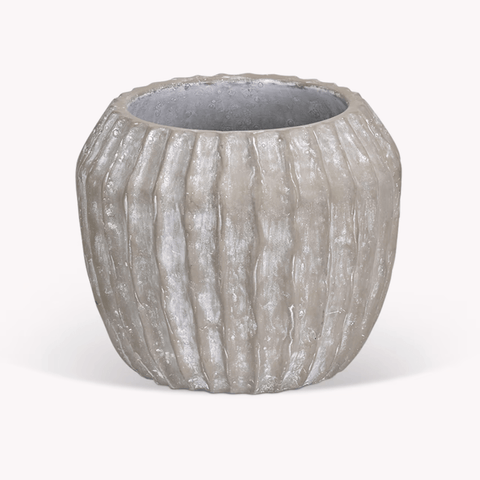
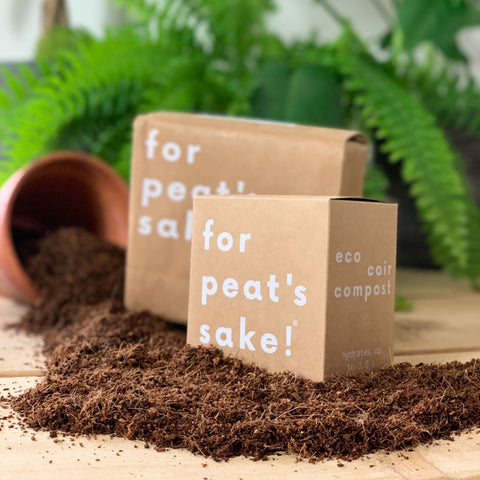
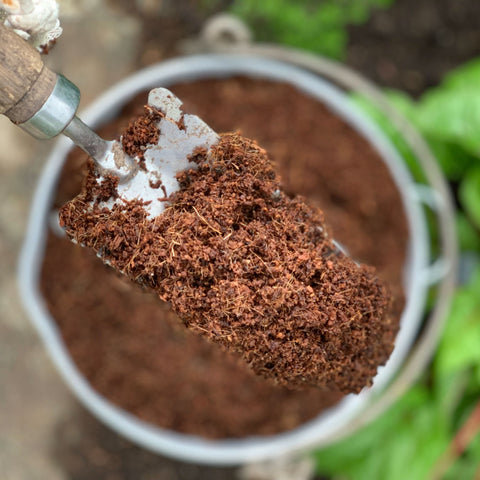
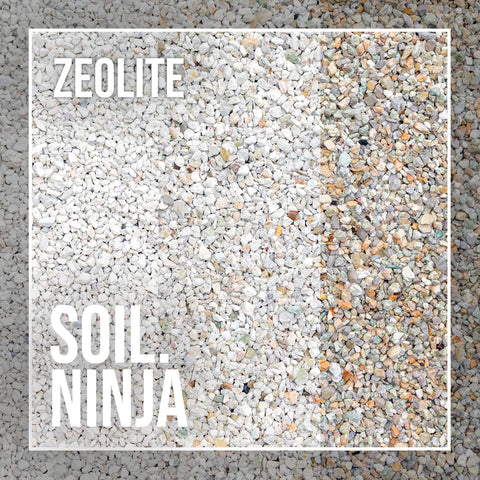
Die meisten Kunden kaufen zu dieser Pflanze noch einen Topf oder Erde hinzu.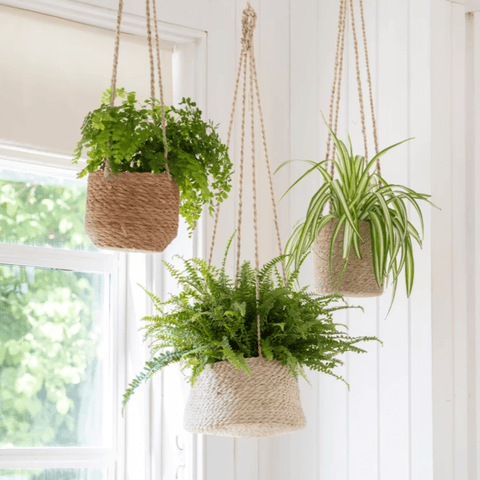








Schauen Sie sich The Sprouts Blog an
Sprouts Insights zu Zimmerpflanzen, Gartenarbeit, unseren Lieblingsmarken und Fallstudien zur Pflanzenvermietung.