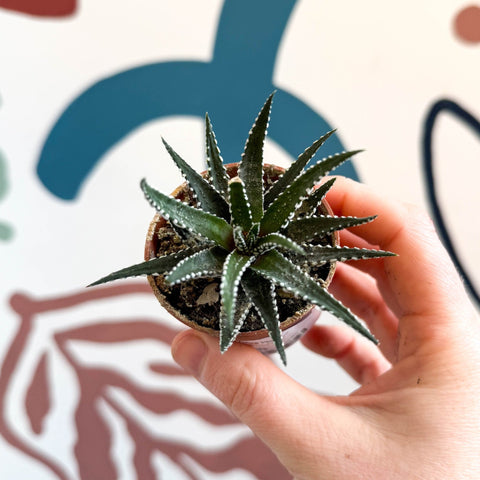
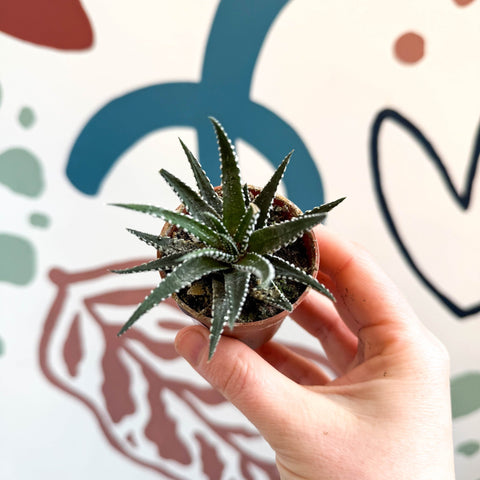
Die Blätter dieser Sukkulente wachsen überschwänglich nach außen und reichen in alle Richtungen. Mit dem Kultivarnamen "Big Band" erweckt sie fast den Eindruck, als ob Musik aus dem Ende einer Trompete dröhnt. Abgesehen von dieser markanten Silhouette finden Sie auch erhabene weiße Muster auf den Unterseiten ihrer tiefgrünen Blätter, die Ihrer Pflanzensammlung Farbe und Abwechslung verleihen. Geben Sie dieser Pflanze viel Licht und stellen Sie sicher, dass ihre Erde trocken ist, bevor Sie sie erneut gießen, und sie wird Sie mit viel enthusiastischem, jazzigem Wachstum belohnen.
Wissenschaftlicher Name
Haworthiopsis fasciata 'Big Band' (wie Haworths Pflanze, Art mit gebündelten Stängeln, Kultivar: Big Band)
Synonyme: Haworthia fasciata, Aloe fasciata, Apicra fasciata, Catevala fasciata, Haworthia pumila subsp. fasciata
Diese Pflanze wurde 2013 in einer Studie dank der DNA-Analyse des 21. Jahrhunderts aus der Gattung Haworthia (wo sie als Haworthia fasciata bekannt war) umklassifiziert.
Gebräuchlicher Name(n)
Big Band Zebrapflanze, Zebrapflanze, Zebra-Haworthie, Zebrakaktus, Gebänderte Haworthie
Herkunft
Heimisch in der östlichen Kapprovinz Südafrikas, wo sie in trockenen, felsigen Gebieten wächst.
Licht
Ihre Big Band Zebra liebt einen hellen Standort mit vielleicht ein paar Stunden direkter Sonne; in ihrer Heimat Südafrika ist sie etwas Schatten von Felsen gewohnt, daher kann sie bei zu viel Sonne verbrennen.
Wasser
Lassen Sie die Erde zwischen den Wassergaben vollständig austrocknen. Gießen Sie sie gut, wenn Sie gießen, und stellen Sie sicher, dass das gesamte Wasser abfließt, damit die Pflanze nicht in stehendem Wasser steht. Sie müssen die Bewässerung im Herbst und Winter reduzieren, wenn das Wachstum langsamer wird.
Luftfeuchtigkeit
Diese Pflanze ist an trockene Umgebungen angepasst und ist nicht wählerisch bei trockener Luft. Vermeiden Sie Umgebungen mit hoher Luftfeuchtigkeit, da übermäßige Feuchtigkeit zu Wurzelfäule führen kann. Gelegentliches Abspritzen hält ihre Blätter staubfrei, stellen Sie nur sicher, dass sie danach gründlich trocknet.
Erde
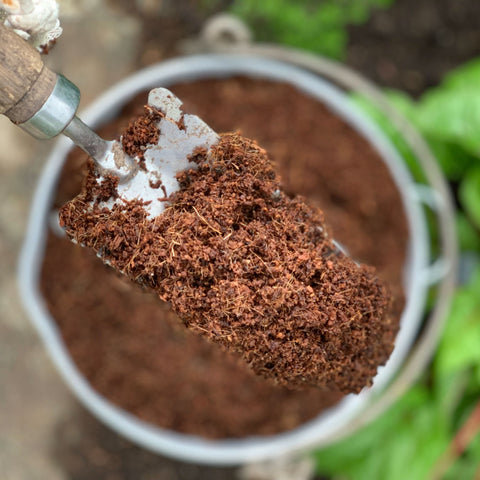
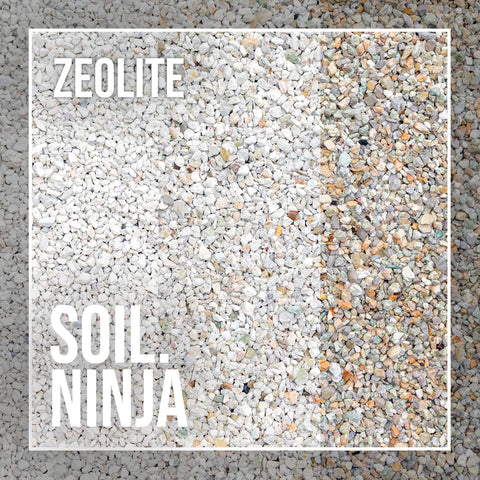
Pflanzen Sie sie in eine gut durchlässige Sukkulenten- oder Kakteenerde. Eine Mischung, die Sand oder Kies enthält, funktioniert gut. Ein Umtopfen ist in der Regel alle 2-3 Jahre oder wenn die Pflanze aus ihrem Topf gewachsen ist, erforderlich.
Nahrung
Düngen Sie während der Wachstumsperiode sparsam mit einem ausgewogenen, wasserlöslichen Dünger, der auf die Hälfte verdünnt ist, etwa einmal alle zwei Monate. Vermeiden Sie das Düngen während der Ruhephase im Winter.
Temperatur
Gedeiht bei Temperaturen zwischen 18-26°C. Stellen Sie sicher, dass die Pflanze im Winter über Nacht nicht unter 10°C fällt.
Haustiersicher
Ja, diese Sukkulente gilt als ungiftig für Haustiere und Menschen, was sie zu einer sicheren Wahl für Haushalte mit Tieren und Kindern macht.
Sprouts Top-Tipps
Drehen Sie die Pflanze regelmäßig, um ein gleichmäßiges Wachstum zu gewährleisten und zu verhindern, dass sie sich zur Lichtquelle neigt. Halten Sie die Blätter staubfrei, indem Sie sie abspritzen und dann vollständig trocknen lassen. Im Laufe der Zeit kann Haworthiopsis fasciata Ableger (Kindel) bilden, die getrennt und umgepflanzt werden können, um neue Pflanzen zu vermehren; warten Sie, bis sie mindestens vier Blätter haben, um dies zu tun, um ihnen die besten Chancen zu geben, sich zu etablieren.
Wussten Sie schon?
Diese Art unterscheidet sich von der ähnlichen H. attenuata durch die glatte Oberseite ihrer Blätter, während die andere Art ihre Sommersprossen auf beiden Seiten der Blätter hat.