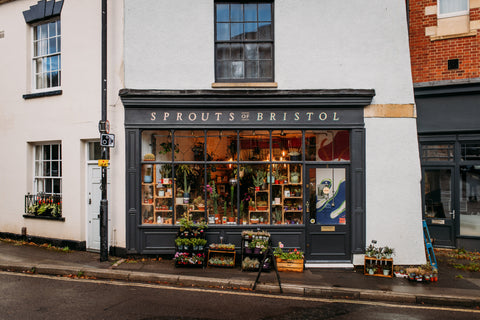


Monstera 'Burle Marx Flame'
Buy with confidence
Everything we do is designed to get your order to you safely and happily.
🌿 Packed with care in Bristol, UK
⭐ Loved by thousands of happy Sprouts customers
📦 Royal Mail Tracked delivery
💚 Independent & Real Living Wage Employer
Let customers speak for us

It was a cork just as ordered

Such a pretty little plant. It has a stunning colour ❤️

Gorgeous little fern ❤️

This is one impressive plant. Strong and sturdy. Stunning to look at. Love it.
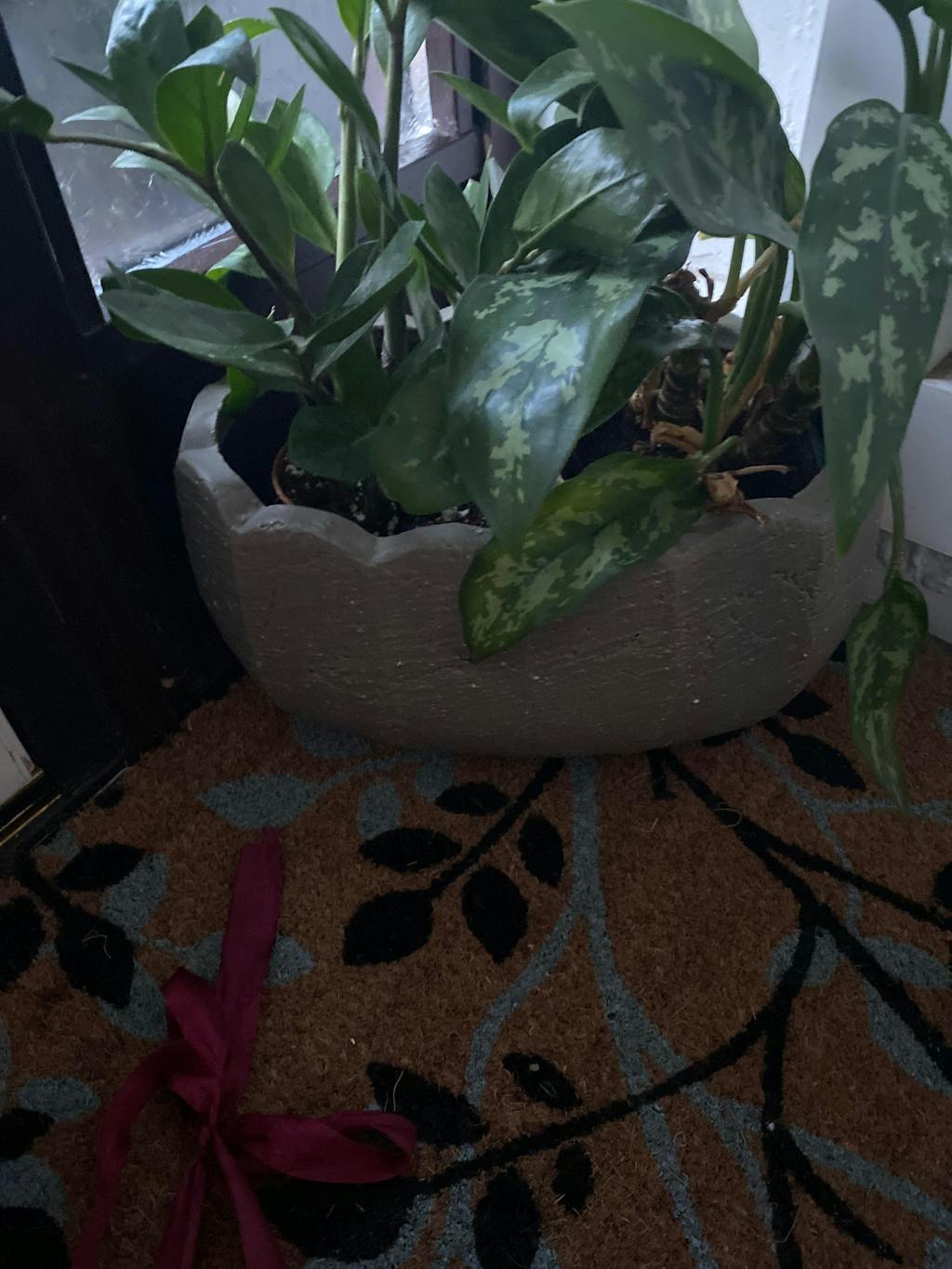
Beautiful pot absolutely beautiful

Stunning pot packed perfectly delivered with care 10/10
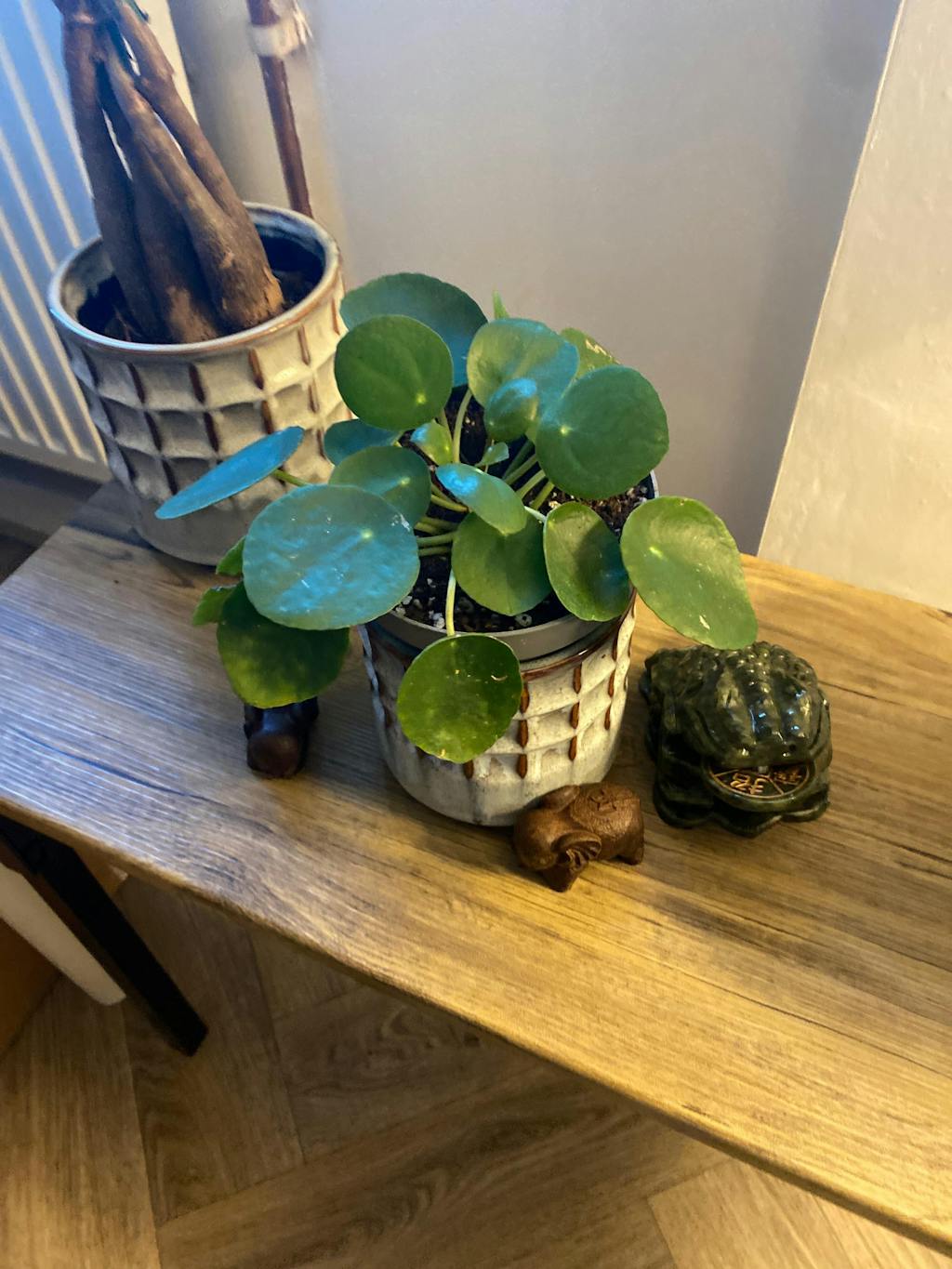
Perfect plant delivered with care fantastic addition to my collection 🫶
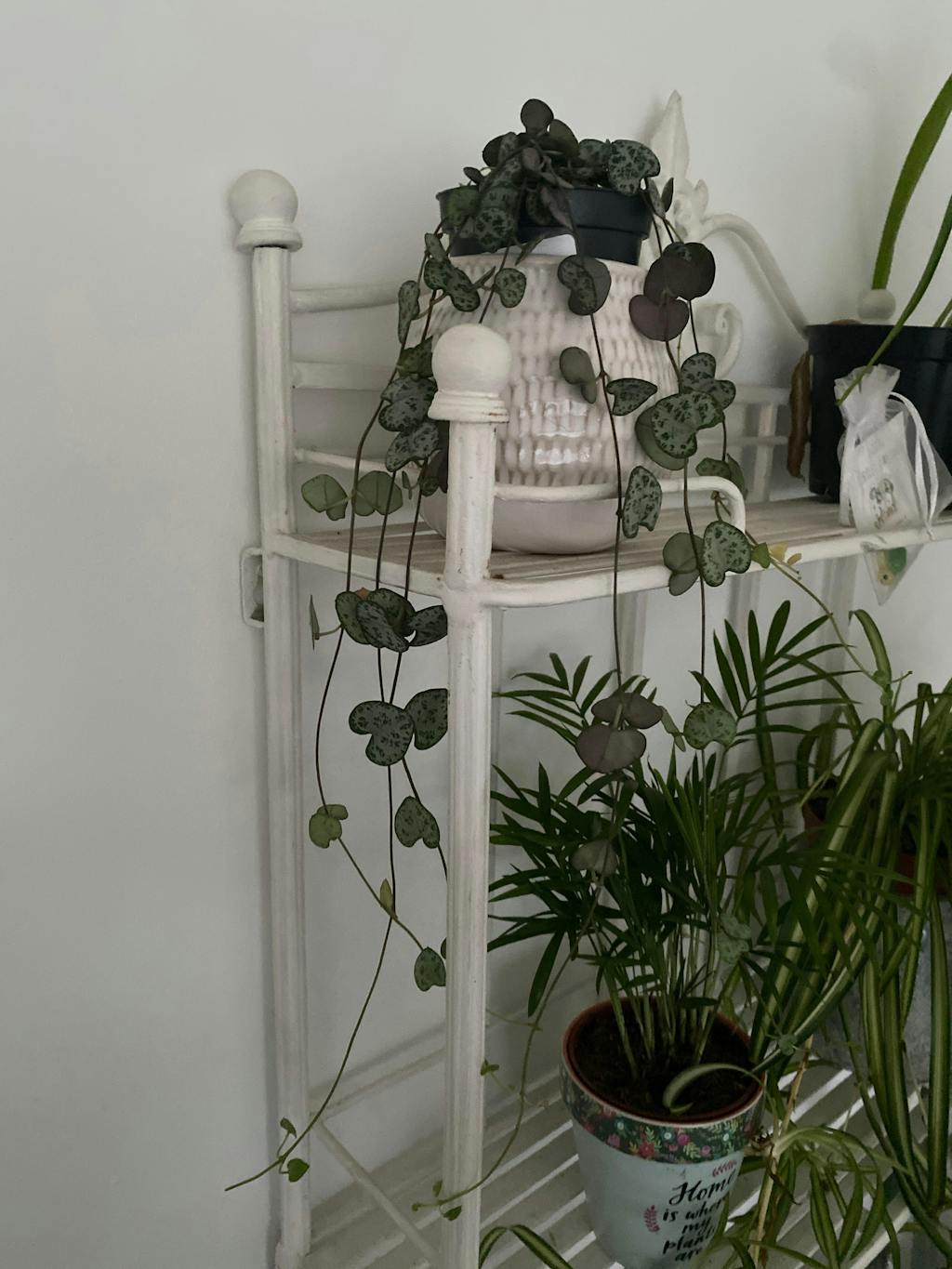
Another perfect plant friend 🙌fantastic quality 10/10 costumer care
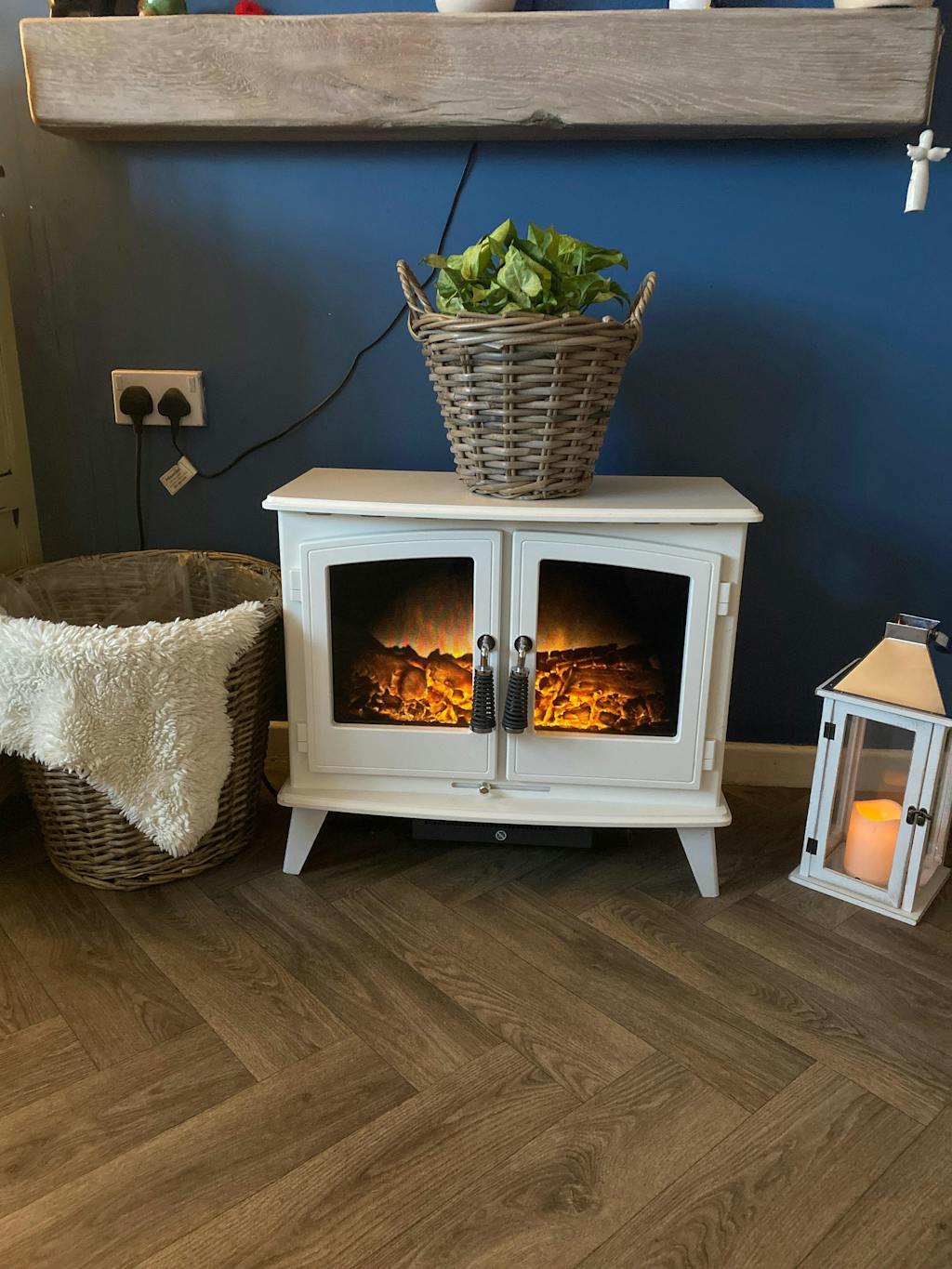
Absolutely love this fabulous quality and looks amazing

Fabulous quality,packed perfectly,🫶

Beautiful little fern. Lush and healthy colour. Expertly packed and arrived safely.

Loved my Zygo, very happy and healthy plant in bloom, definitely ordering again from Sprouts of Bristol more

Cute plant packaged well. Good communication on delays

Really nice little plant that goes perfectly with the tulip pots!
Beautiful healthy plant. The only thing that I would suggest would be to improve the packaging. There was no label on the box indicating that there was a live plant inside, and the soil had gone all over the place inside the box. Other than that, I am happy with my little fern.
What customers think about the store
Specializes in healthy plants, terrariums, pots, and seasonal items. Customers praise excellent packaging, fast delivery, and helpful staff. Plants arrive in great condition with care instructions. Wide selection of unique houseplants, cacti, and foliage. Resp...
AI-generated from customer reviews.
Check out The Sprouts Blog
Sprouts insights to house plants, gardening, our favourite brands and plant hire case studies.