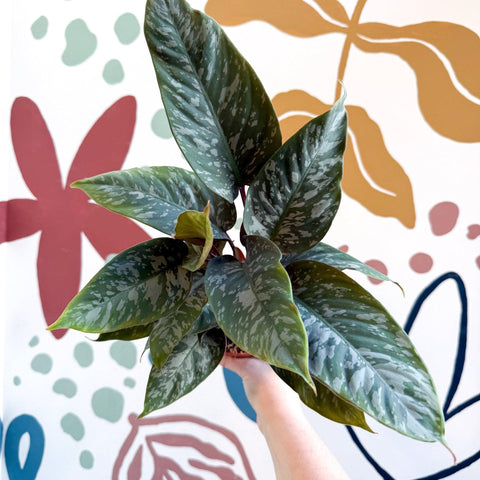
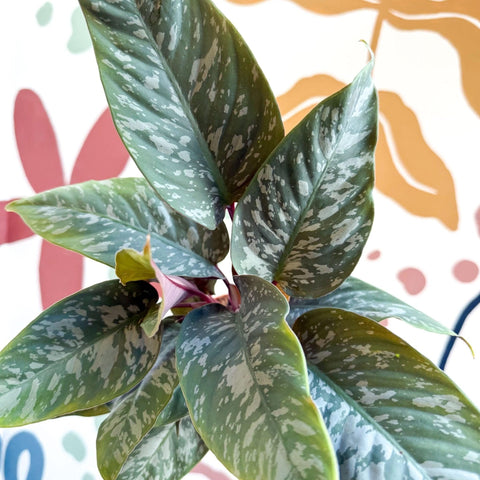
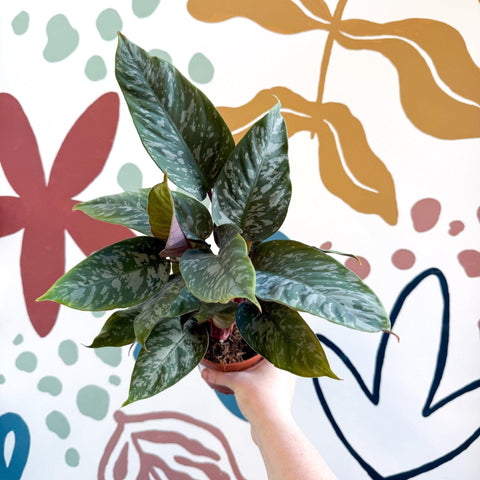
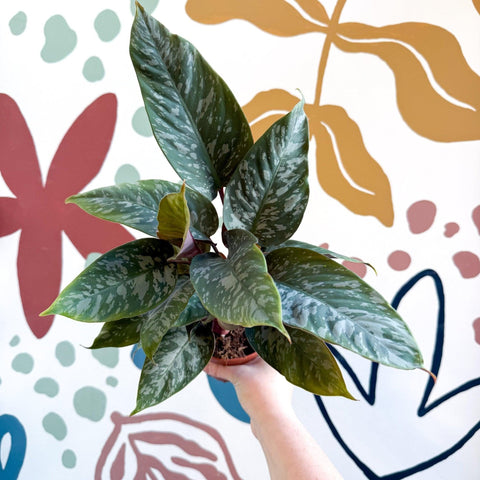
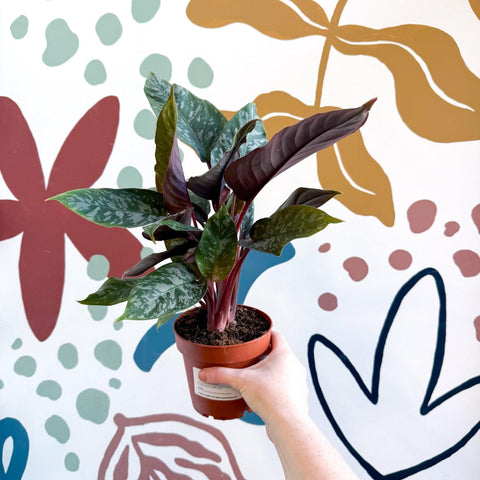
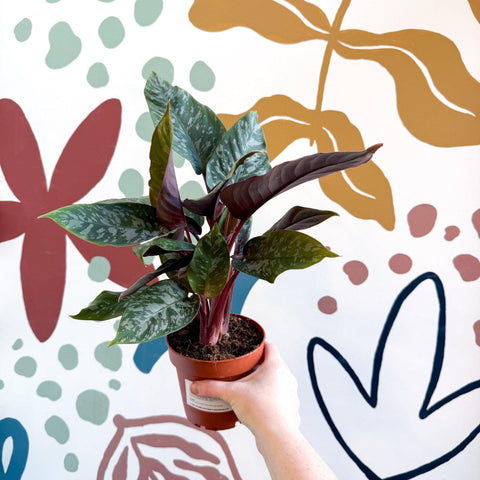
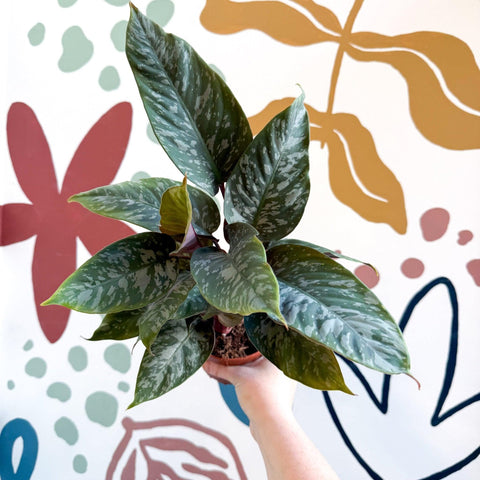
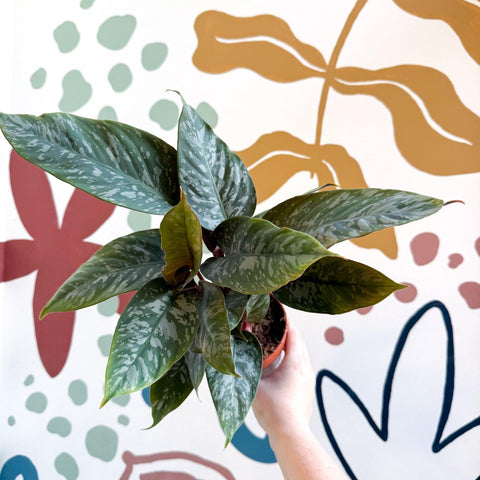
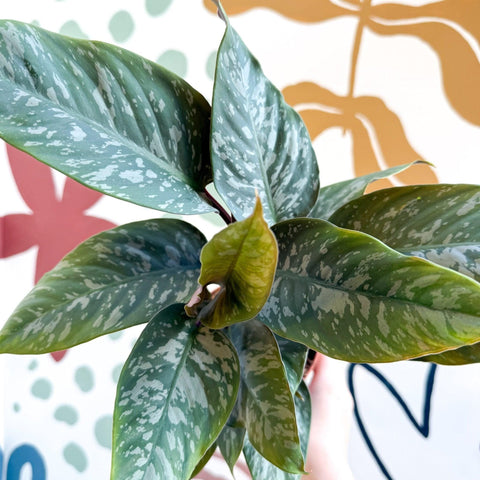
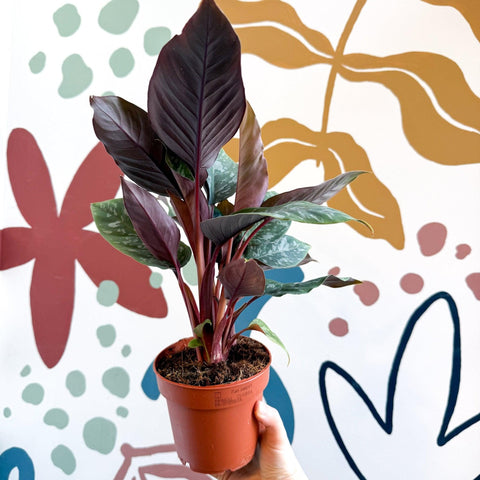
Apoballis acuminatissima

Size
Regulärer Preis £14.00
Abholbar bei
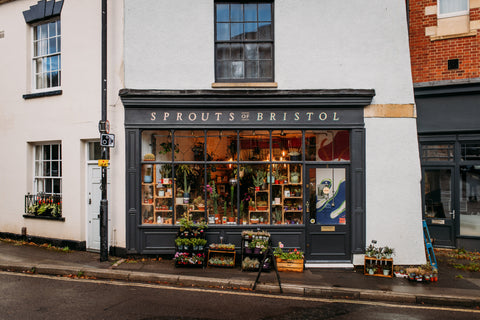
*Sprouts Shop - Kingsdown, BS6 5UD
Gewöhnlich fertig in 4 Stunden

2 Kingsdown Parade
Bristol BS6 5UD
Vereinigtes Königreich

+441179294158

The stunning silver variegation across this rare tropical houseplant's leaves really helps it stand out amongst your collection. The undersides of the leaves, along with the stems, are a deep burgundy, contrasting with the leaves' silver and forest green, and the whole effect is one of a houseplant you definitely want in your home. A good addition for the collector, and a beautiful foliage plant for any houseplant hobbyist, the Apoballis has a little something for everyone.

Scientific Name
Apoballis acuminatissima (throwaway plant with the most sharpened point)

This plant was thought to be part of the Schismatoglottis genus, but has been reclassified to its current name following a 2010 paper.

Common Name
Purple Sword Plant, Red Sword Plant

Origin
Native to Sumatra, Western Indonesia

Light
Direct sun can scorch the leaves, so keep this plant in a bright spot away from the sun's harsh rays. If the natural daylight is bright enough to read by, this should be enough light for your plant.

Water
Let the top inch of soil dry out between waters; this plant likes its soil consistently moist but not soggy. Remember that the soil will dry out more slowly in darker spots and in winter.

Humidity
The Apoballis plant likes higher humidity levels, so will appreciate a more humid kitchen or bathroom position, or the use of a pebble tray to increase local humidity.

Soil
Use a soil mix that drains well but retains moisture will work well here. One with added coir and perlite, or a mix designed for Calatheas or Marantas, will be just right! Repot every couple of years as the plant grows.

Food
Feed every four weeks with water in the growing season, reducing to every six in autumn and winter.

Temperature
Room temperature conditions of 18-26°C are ideal for this plant. Make sure it doesn't get colder than 15°C in winter.

Pet-safe
No, this plant is toxic to pets and small humans.

Sprouts Top Tips
Balancing the light and moisture requirements for this plant is important. It does not do well in direct sun which can scorch the leaves, but too little light will put it at risk of root rot. Keep an eye on your plant's foliage as it settles into your home for indications of any issues: brown, crispy edges can indicate too much sun and low humidity, whilst yellowing leaves and loss of variegation suggest that your plant is getting too little light and is not drying out quickly enough.

Apoballis acuminatissima
£14.00

Check out The Sprouts Blog

Sprouts insights to house plants, gardening, our favourite brands and plant hire case studies.
We’re Growing – Welcome to Sprouts HQ! - Sprouts of Bristol
Sprouts of Bristol is expanding with the launch of Sprouts HQ – a new South Bristol premises that will house a dedicated packing space for online orders, an office, studio, and more room for rare and exciting plants. While the Kingsdown shop remains open as usual, the new HQ allows Sprouts to grow behind the scenes and offer even better service both in-store and online. This blog post shares the story behind the move, what customers can expect, and how to keep supporting this independent plant shop through the transition.
Jessy Edgar15. August 2025
Terrarium & Wreath Workshops in Bristol – Autumn & Winter 2025 - Sprouts of Bristol
Join Sprouts of Bristol for terrarium, kokedama, and Christmas wreath workshops this autumn–winter. Creative, plant-filled fun in the heart of Bristol!
Jessy Edgar5. August 2025
Build Your Own Terrarium: A Step-by-Step Guide from Sprouts - Sprouts of Bristol
Fancy creating your own tiny, self-contained world of green? Our DIY terrarium kits are the...
Jessy Edgar20. Juli 2025