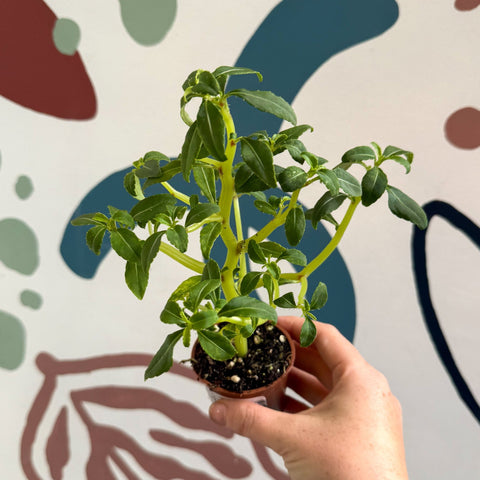
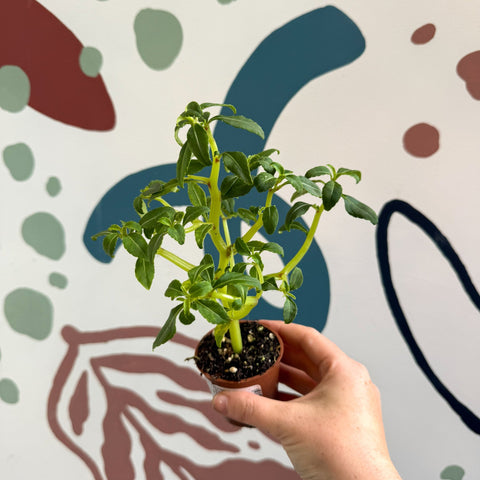
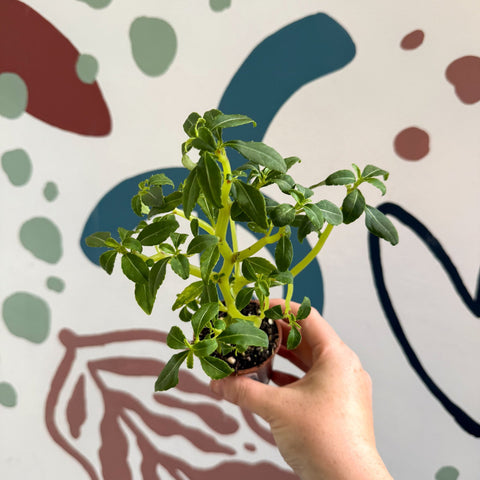
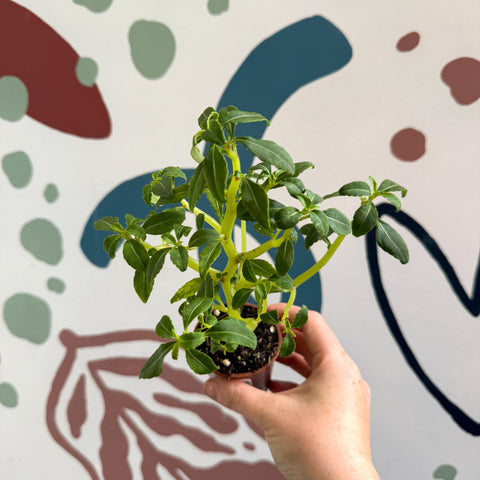
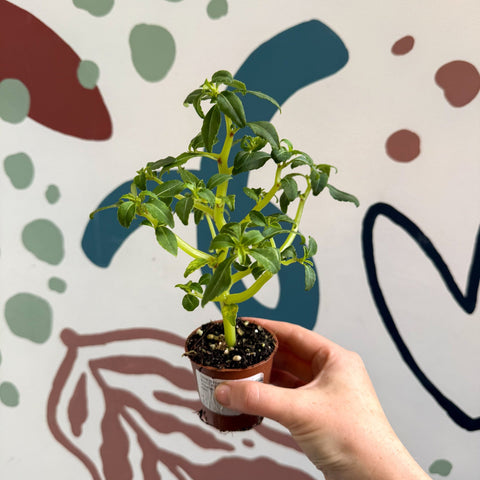
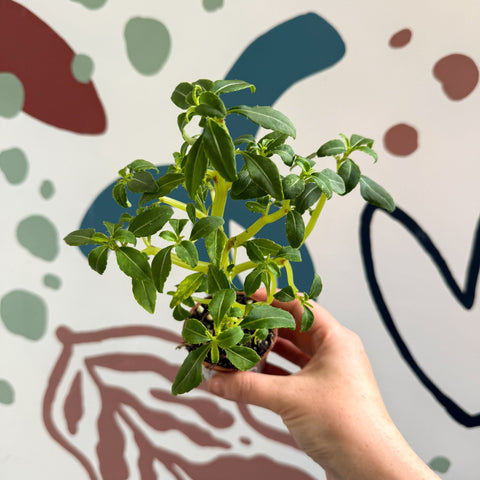
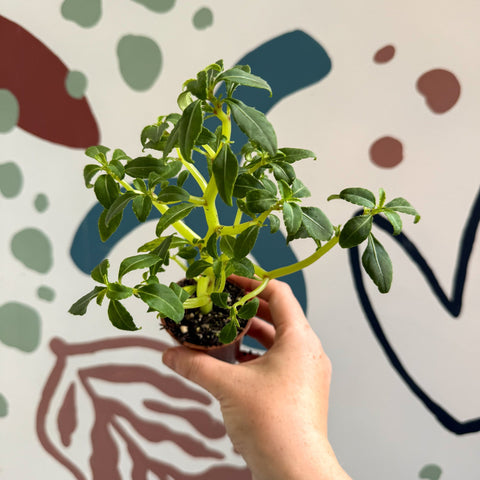
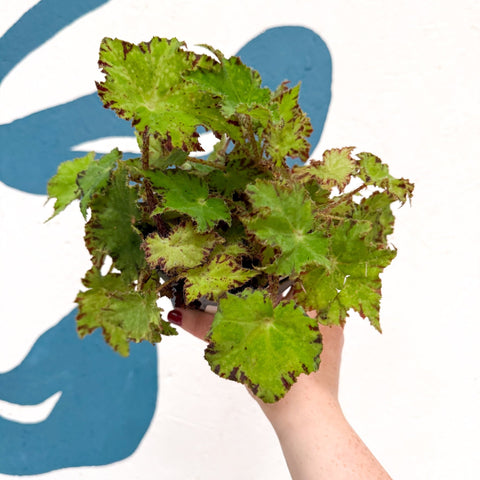
Als seltene und exotische Zimmerpflanze wird Impatiens keilii wegen ihrer papageienartigen Blüten und ihres üppigen, gezackten Blattwerks geschätzt. Die leuchtend korallenfarbenen, orangefarbenen oder lachsrosafarbenen Blüten ähneln winzigen Vögeln im Flug, was ihr den Spitznamen „Kongo-Kakadu“ eingebracht hat. Bei richtiger Pflege blüht sie den größten Teil des Jahres und verleiht hellen Innenräumen ein ungewöhnliches tropisches Flair.
Wissenschaftlicher Name
Impatiens keilii (vom lateinischen impatiens, was „ungeduldig“ bedeutet – ein Hinweis auf die explosiven Samenkapseln der Pflanze)
Impatiens keilii ist eng mit den afrikanischen Impatiens-Arten verwandt und wird aufgrund ihrer ähnlich geformten Blüten manchmal mit Impatiens niamniamensis verwechselt. Obwohl in der wissenschaftlichen Literatur nicht so umfassend dokumentiert, ist diese Sorte oder regionale Variante in Ziersammlungen wegen ihrer auffälligen Blüten beliebt.
Gängiger Name/Gängige Namen
Kongo-Kakadu, Papageienpflanze, Exotische Springkraut
Herkunft
Gilt als in den tropischen Gebieten Zentralafrikas, einschließlich Regionen des Kongobeckens, beheimatet
Licht
Bevorzugt helles, indirektes Licht. Direkte Sonne vermeiden, da dies die Blätter verbrennen und die Blüte reduzieren kann. Ein Platz in der Nähe eines Ost- oder Nordfensters ist ideal.
Wasser
Die Erde gleichmäßig feucht, aber nicht durchnässt halten. Gießen, wenn sich die oberste Schicht leicht trocken anfühlt. Bei zu großer Trockenheit kann sie welken, erholt sich aber meist schnell, sobald sie wieder hydriert ist. Im Winter die Bewässerung reduzieren.
Luftfeuchtigkeit
Gedeiht bei mittlerer bis hoher Luftfeuchtigkeit. Regelmäßig besprühen oder auf ein mit Kieselsteinen gefülltes Tablett stellen. Nicht in die Nähe von Heizkörpern oder kalter Zugluft stellen.
Erde
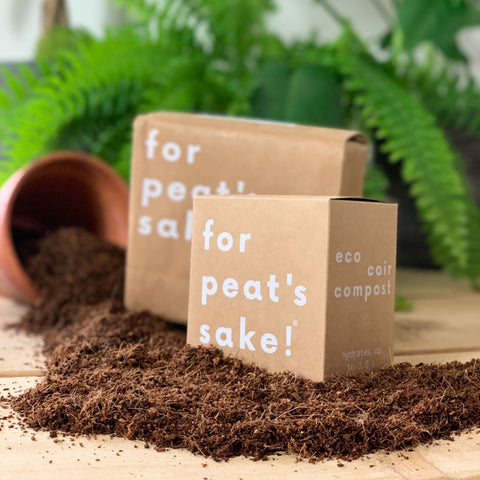
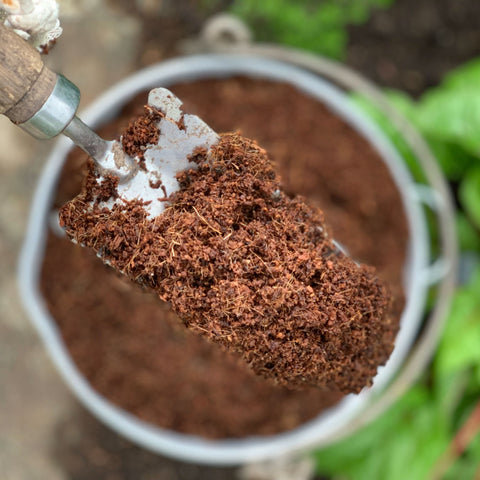
Mag eine reiche, gut durchlässige Komposterde. Eine Allzweck-Zimmerpflanzenerde mit zusätzlichem Perlit oder Kokosfasern funktioniert gut. Jährlich im Frühjahr umtopfen, um die Erde aufzufrischen und neues Wachstum zu fördern.
Nahrung
In der Wachstumsperiode (Frühling bis Frühherbst) alle 2–3 Wochen mit einem kaliumreichen Flüssigdünger düngen, um die Blüte zu unterstützen.
Temperatur
Bevorzugt 18–24°C. Plötzliche Temperaturabfälle vermeiden und vor Temperaturen unter 12°C schützen.
Haustiersicher
Bei Verzehr leicht giftig – außerhalb der Reichweite von Haustieren und Kindern aufbewahren.
Sprouts Top-Tipps
Regelmäßig die Wachstumsspitzen zurückschneiden, um einen buschigeren Wuchs und mehr Blüten zu fördern. Verblühte Blüten entfernen, um eine kontinuierliche Blüte anzuregen.
Extras
Unter den richtigen Bedingungen kann diese Pflanze das ganze Jahr über blühen. Ihre kuriosen, vogelartigen Blüten bilden einen besonders auffälligen Kontrast zu ihrem tiefgrünen Laub.
Wussten Sie schon?
Die ungewöhnliche Form und die leuchtende Färbung der Blüten haben ihr Vergleiche mit Papageien, Kakadus und sogar Garnelen eingebracht – was sie zu einem echten Gesprächsanlass in jeder Pflanzensammlung macht.